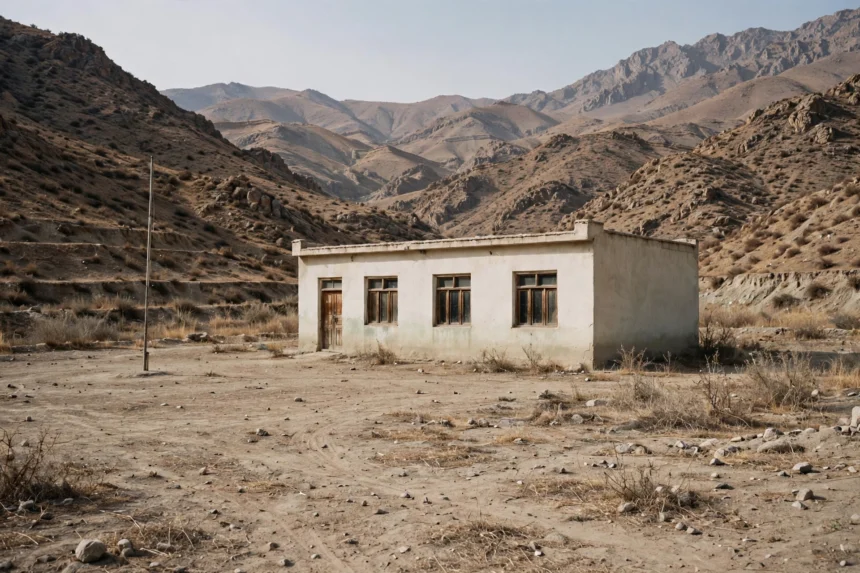
A powerful explosion ripped through a school in eastern Afghanistan on Saturday morning, killing at least 10 people and injuring more than 110, most of them children. The blast struck at around 10 a.m. local time at a middle school on the outskirts of Asadabad, the capital of Kunar province, a remote mountainous region near the border with Pakistan.
Officials said the explosion appeared to have come from a depot storing explosives for mining companies that stood next to the school. Early information points to negligence at the depot, and an investigation is now under way.
What happened at the school
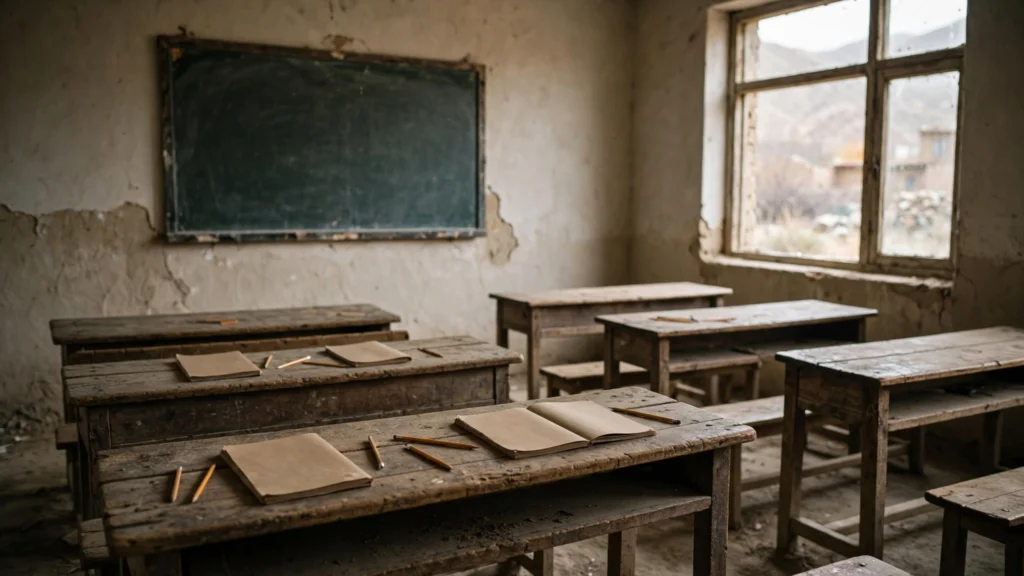
The explosion hit the school in the Andarsir area of Asadabad district while classes were in session. The injured, many of them schoolchildren, were rushed to hospitals in Asadabad for treatment.
Sami-ul-Haq Haq Bayan, the provincial director of information and culture, was among the first officials to confirm the explosion. In the first hours after the blast, officials could not say what had caused it or how many people had been hurt, and the figures were revised upwards through the day.
A spokesman for the Taliban Interior Ministry later confirmed that the blast had come from an explosives depot belonging to a mining company near the school. Authorities said they were investigating and would share further details once the inquiry was complete.
What caused the blast
According to the provincial culture and information director, the blast appeared to have originated in a neighbouring depot for explosives. The Associated Press, citing officials, reported that initial information suggests negligence at the depot storing explosives for mining companies caused the explosion.
Kunar is a province where mining and construction work is common, and explosives used for quarrying and road building are stored in depots scattered across its districts. How close such a depot was allowed to sit to a school is now the central question for investigators. No group has claimed responsibility, and officials have described the blast as an accident rather than an attack.
The toll kept rising through the day
The casualty figures changed as the day wore on, which is common after blasts in remote areas. Here is how the picture developed:
- Morning: the first reports confirmed an explosion at the school in Asadabad, Kunar, but gave no casualty figures.
- Midday: officials reported at least 7 people killed and 97 injured, with most of the victims described as students.
- Later on Saturday: updated figures from the Associated Press put the toll at 10 killed and more than 110 wounded, most of them children.
The rising toll underlines how hard it is to get a full picture quickly in Kunar, where hospitals are few and the injured are often carried long distances for care.
Why it matters
This was not a bombing or a battle. It was an explosion at a place where children should have been safe, and that is what makes it so grim. A depot full of mining explosives sat close enough to a school for a blast there to kill and maim pupils in their classrooms, and the first indications are that basic carelessness was to blame.
For families in Kunar, the questions will not go away quickly. Who approved a depot for explosives beside a school, who was meant to inspect it, and what changes when the investigation ends? If this inquiry ends with a report and no action, the next depot beside the next school will carry the same risk.
The incident also shows the strain on emergency care in the province. With more than 110 people hurt, most of them children, a small provincial health system had to absorb a mass casualty event in a single morning. For the wider world, the blast is a reminder that Afghanistan’s suffering is not only about war and politics. Everyday hazards, from badly stored explosives to weak regulation, keep taking lives quietly, far from the headlines, and they fall hardest on children.
Also in the world today
Taiwan voted in local elections on Saturday for mayors and councils in 22 cities and counties, with China watching closely. The ruling Democratic Progressive Party’s candidate conceded defeat in the Taipei mayoral race, where incumbent Mayor Chiang Wan-an of the opposition Kuomintang held about 53.8 percent of the vote with almost 90 percent of polling stations counted. Voters also decided a referendum on lifting a ban on nuclear power.
FAQs
Where did the Afghanistan school blast happen?
At a middle school on the outskirts of Asadabad, in the Andarsir area of Asadabad district, in Kunar province in eastern Afghanistan, near the border with Pakistan.
How many people were killed and injured?
At least 10 people were killed and more than 110 injured, most of them children, according to updated figures from the Associated Press. Earlier reports had put the toll at 7 killed and 97 injured.
What caused the explosion?
Officials said the blast appeared to have come from a neighbouring depot storing explosives for mining companies. Initial information suggests negligence at the depot caused it. An investigation is under way, and officials have described it as an accident rather than an attack.
When did the blast happen?
At around 10 a.m. local time on Saturday, 28 November 2026, while classes were in session at the school.
The investigation continues, and the casualty figures may still change. Our thoughts are with the families in Asadabad and across Kunar today.