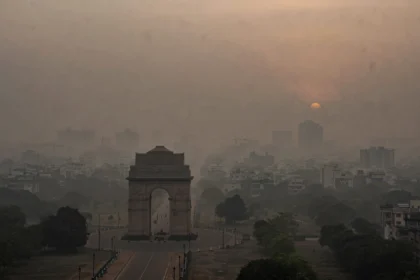
The hills of Doda are not where you expect dengue. The hilly district of Jammu and Kashmir has largely stayed clear of the mosquito-borne disease that haunts India’s plains every monsoon. This week, that changed. Government Medical College Doda has confirmed close to 200 cases of dengue, a surge not seen here in four years, and a five-member team of scientists from the Indian Council of Medical Research and the National Institute of Virology, Pune, has landed in the district to figure out what is going on.
Dengue was last reported in Doda in 2022, when the district logged over 200 cases. Health department officials say this year’s count could overtake that mark. Three to four patients are walking into the GMC hospital every day with dengue symptoms, most of them from parts of Doda town where construction activity and civil works are underway.
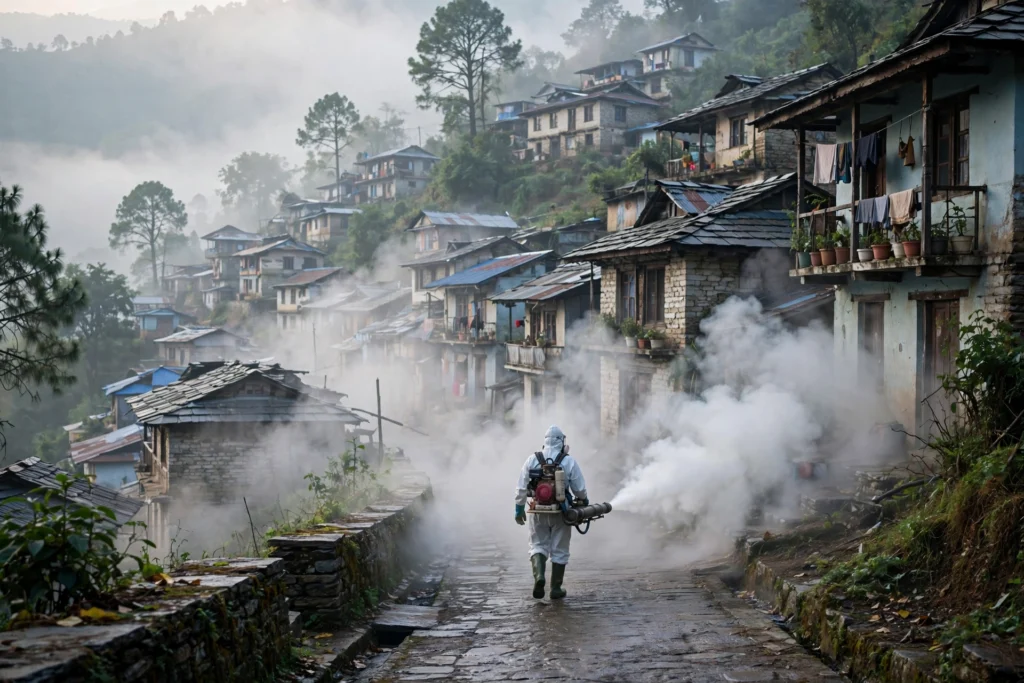
The connection, according to Chief Medical Officer Dr Vinod Sharma, is the recent spell of unprecedented rains. Water pooled at construction sites across the town, creating ideal breeding grounds for Aedes aegypti, the day-biting mosquito that carries the dengue virus. The health department, working with the municipal administration, has drained the stagnant water from these sites and launched spraying and fogging drives.
ICMR-NIV team maps the outbreak
On Tuesday, a team of scientists from the ICMR-National Institute of Virology’s north zone, led by officer-in-charge Dr Qaiser Farooq Dar, visited the microbiology laboratory at GMC Doda and fanned out to the hotspots where the most cases have been reported. They examined admitted patients, reviewed test reports and collected samples to map the virus strains circulating in the district.
“The district has recorded over 190 laboratory-confirmed dengue cases requiring hospital admission, a sharp increase compared to historical trends in this traditionally non-prone mountainous district,” Dr Dar said, adding that the team’s findings would be handed over to the Jammu and Kashmir health authorities, who will decide the next course of action based on the assessment.
A separate team of doctors from Government Medical College, Jammu, also visited Doda to assess the situation and trace what triggered the outbreak in terrain considered less vulnerable to vector-borne disease.
Dengue is spreading beyond its usual zones
Doda is not alone. Dengue is punching above its usual seasonal pattern across the country this October:
- Delhi reported 104 new dengue cases in the week leading up to October 10, up from 98 the week before, taking the year’s total to 695, according to the Municipal Corporation of Delhi’s latest vector-borne disease report. The civic body has stepped up fogging and anti-larval measures, particularly around temples and Ramlila venues where large festival crowds gather.
- Bhopal recorded its sharpest two-day spike in nearly two years, with 13 fresh cases pushing the tally to 137. Cases are coming from multiple localities rather than a single hotspot, which experts say makes surveillance harder.
- Gandhinagar saw an unusual outbreak among security personnel: 87 jawans from the BSF, CRPF and ITBP were hospitalised with dengue over 10 days, and one jawan died.
Public health experts say climate change, rapid urbanisation and shifting rainfall patterns are reshaping dengue transmission in India, turning what was once a seasonal concern into a year-round threat. Just this week, a multi-stakeholder forum in Bengaluru backed a four-point call to action for year-round dengue preparedness in Karnataka.
Why the risk continues after the monsoon
Many people put away mosquito repellents once the rains stop. That is a mistake, doctors warn. Aedes aegypti breeds in stagnant water collected in coolers, flowerpots, discarded tyres and construction debris. Even after the monsoon, intermittent showers, humidity and warm temperatures keep breeding sites alive. A spoonful of stagnant water is enough for a mosquito to lay eggs.
Symptoms usually appear 4 to 10 days after a bite: high fever up to 104°F, severe headache behind the eyes, joint and muscle pain, nausea and skin rash. There is no specific antiviral for dengue. Treatment is supportive, with oral rehydration and fever management, while severe cases with bleeding or shock need hospital care. Warning signs like persistent vomiting, abdominal pain, bleeding gums or restlessness call for immediate medical attention.
What you can do
- Do not let water collect anywhere around your home: empty coolers, flowerpot trays and birdbaths at least once a week.
- Cover water storage containers tightly and clear roof gutters and drains.
- Use mosquito repellents and screens, especially during the day when Aedes bites.
- Wear long-sleeved clothing if you live near construction sites or waterlogged areas.
- If you develop high fever with body aches, get a blood test done early rather than waiting it out.
The Doda outbreak is a reminder that dengue no longer respects geography. As one health official put it, the disease has learned to travel where the weather lets it. The ICMR-NIV team’s strain mapping will be the first detailed look at how this virus is behaving in the hills, and the findings could shape how India prepares for dengue in places it never had to worry about before.
FAQs
Q: Why is dengue spreading in Doda, a hilly district?
A: Unprecedented rains left standing water at construction sites in Doda town, creating breeding grounds for Aedes mosquitoes. Dengue last appeared in Doda in 2022, and the district is considered less prone to the disease.
Q: How many dengue cases have been reported in Doda so far?
A: Nearly 200 lab-confirmed cases have been recorded at Government Medical College Doda, with 3 to 4 new patients arriving daily.
Q: What is the ICMR-NIV team doing in Doda?
A: A five-member team visited on October 13, examined hotspots and patients, and collected samples to identify the virus strains driving the outbreak. Their report will guide the next steps.
Q: Is dengue risk over after the monsoon?
A: No. Stagnant water in containers, tyres and construction debris keeps mosquitoes breeding. Intermittent rain and humidity sustain transmission well into October and beyond.
Q: What are the early symptoms of dengue?
A: High fever, severe headache behind the eyes, joint and muscle pain, nausea and skin rash, typically appearing 4 to 10 days after a mosquito bite. Persistent vomiting, bleeding or abdominal pain need urgent hospital care.