For lakhs of central government employees and pensioners, the latest stop on the 8th Pay Commission’s tour mattered more than most. The panel spent October 22 and 23 in Mumbai, meeting unions, federations and pensioner associations, and walking through railway departments to see working conditions first hand. The meetings are now over, but the big questions, how much pay will rise and when, are still unanswered.
That is the honest position as of October 25. Mumbai was a consultation, not a decision. No fitment factor, no revised salary structure and no implementation date has been announced. What the two days did do was put railway staff, one of the largest groups covered by the commission, firmly at the centre of the conversation.
What happened in Mumbai
The commission held consultations in Mumbai on Thursday and Friday, October 22 and 23, with employee unions, representatives, federations, pensioner associations and other stakeholder groups. The agenda covered the full sweep of what a pay commission looks at: salary structures and the pay matrix, allowances such as Dearness Allowance, Dearness Relief and House Rent Allowance, pensions and other facilities and benefits.
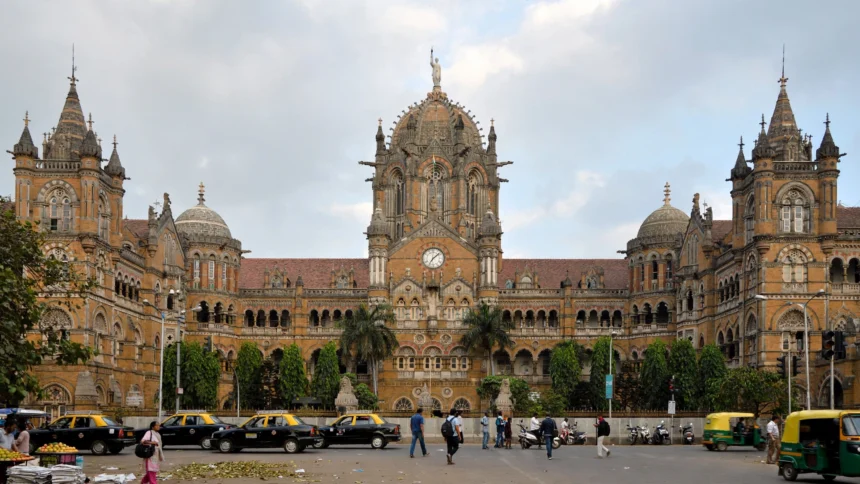
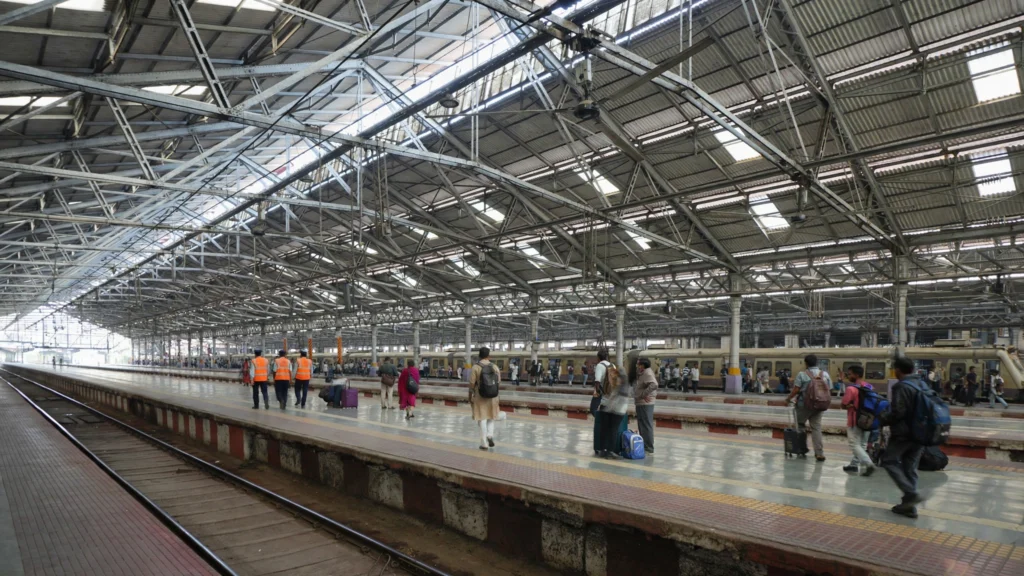
Alongside the meetings, the panel visited departments under the Central Railway zone in Mumbai. The Railway Ministry had proposed Mumbai, with Chhatrapati Shivaji Maharaj Terminus as the centre, as a showcase for the diversity of train operations and maintenance. The idea was simple: before recommending changes to pay and allowances, understand the work itself.
Why railways got special attention
Railway employees were not an afterthought in Mumbai. The ministry informed two recognised federations, the All India Railwaymen’s Federation and the National Federation of Indian Railwaymen, about the visit and shared a list of departments. The federations were also asked to suggest other areas the panel should look at.
On the ground, the focus was practical rather than ceremonial. The areas under observation included:
- Track maintenance and the physical risks that come with it
- Signal operations and control room work
- Daily train operations, duties and maintenance tasks
- Working conditions across railway departments in the Central Railway zone
For staff who work nights, weekends and holidays to keep trains moving, that kind of first hand look matters.
What is still undecided
It is worth being clear about what Mumbai did not settle. As of October 24, the government had not announced a fitment factor, a revised salary structure or an implementation date for the 8th Pay Commission’s recommendations. Employee groups will keep watching for those three things above all else, because together they decide how much monthly pay actually changes.
The commission is still in its consultation phase. Completing the Mumbai meetings does not mean decisions have been made behind closed doors, and it does not mean a pay announcement is imminent. Anyone promising an exact hike percentage at this stage is guessing, not reporting.
What happens next
The commission’s report is due within 18 months of its constitution, which places the deadline in May 2027. That timeline has been consistent across official and media reporting: the panel was constituted last year, its terms of reference were issued in November, and May 2027 is the date by which its recommendations must be submitted.
Between now and then, more consultations and deliberations will follow. Once the report is submitted, the government will still need to take its own decisions on acceptance and implementation. Employees should therefore treat May 2027 as the report deadline, not as the date a higher salary will appear in their bank account.
Who is affected
The stakes are large. The commission’s recommendations are set to benefit over one crore people, including about 50 lakh central government employees and close to 65 lakh pensioners, including personnel and retirees from the defence and railway ministries. That is why every regional visit, from union halls to railway yards, draws such close attention.
For pensioners, the key issues are familiar: Dearness Relief, pension revision and related benefits. For serving employees, the focus is the pay matrix, Dearness Allowance, House Rent Allowance and the allowances tied to specific duties and risks. Railway staff sit at the intersection of both, with large numbers of serving employees and a large retired workforce.
For now, the practical advice for employees is simple. Follow official commission and ministry updates rather than viral hike calculators, and do not make financial plans based on an unannounced fitment factor. The Mumbai round has moved the process forward. The numbers will come later.
Frequently asked questions
Did the 8th Pay Commission announce a pay hike in Mumbai?
No. The October 22 and 23 meetings were consultations. No fitment factor or revised salary structure has been announced.
When is the commission’s report due?
The report is due within 18 months of the panel’s constitution, which places the deadline in May 2027.
Who did the commission meet in Mumbai?
Employee unions, federations, pensioner associations and other stakeholders, alongside visits to Central Railway departments in Mumbai.
Why were railway employees a focus in Mumbai?
The panel visited Central Railway departments to observe working conditions first hand, including track maintenance, signal operations, control rooms and daily operations.
How many people will the recommendations affect?
Over one crore people, including about 50 lakh central government employees and close to 65 lakh pensioners.
The Mumbai consultations are done. The waiting, for employees and pensioners alike, now turns to the report due in May 2027.