For 958 young men and women who cleared one of India’s toughest examinations, the celebration has turned into a long, anxious wait. More than seven months after the Civil Services Examination (CSE) 2025 results were declared, they still do not know which service they will join, IAS, IPS, IRS or another central service, and their Foundation Course has still not begun.
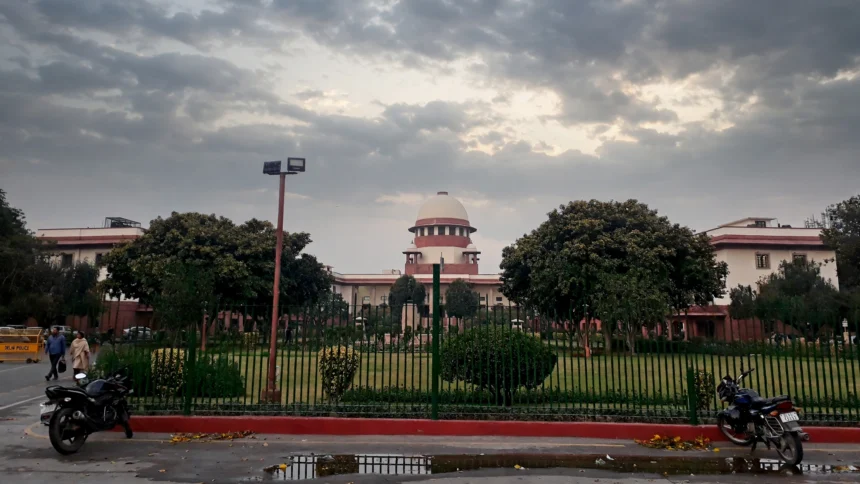
The reason is not a shortage of seats or a delay in paperwork. It is a legal question hanging over the Supreme Court: how exactly should the government decide who falls in the creamy layer of the Other Backward Classes (OBC)? Until the court clarifies its own March 11, 2026 judgment, the Centre says it cannot safely proceed with service allocation.
On Sunday evening, government sources confirmed that the Department of Personnel and Training (DoPT) is awaiting directions from the Supreme Court before allocating services to the 958 candidates recommended by the Union Public Service Commission (UPSC) for CSE 2025. The department, sources said, is fully prepared to move the moment clarity comes, and training institutes are ready to start the Foundation Course at the earliest.
What the Supreme Court actually decided
The story begins with the results themselves. The CSE 2025 results were declared on March 6, 2026. Five days later, on March 11, the Supreme Court delivered its judgment in Union of India vs Rohith Nathan, a case about OBC creamy layer determination.
The court held that creamy layer status cannot be decided on parental income alone. It also said that treating similarly placed employees of private firms and public sector undertakings differently from government employees, when deciding reservation, would amount to hostile discrimination. In simple terms, the court asked the government to look at the nature of the parent’s job and position, not just the salary slip.
Why the Foundation Course matters so much
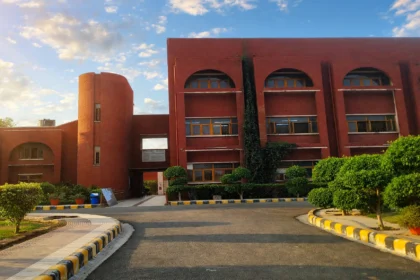
The Foundation Course is the first training every new civil servant goes through. It is usually held at the Lal Bahadur Shastri National Academy of Administration (LBSNAA) in Mussoorie, and it normally begins in late August or early September and concludes in December.
This year, the course was listed in the LBSNAA calendar for the last week of August. That week came and went, and then September and most of October followed, without a start date. According to The Indian Express, this is the first time since Independence that the Foundation Course for an entire batch has been stalled in this way.
What the Centre has asked the court
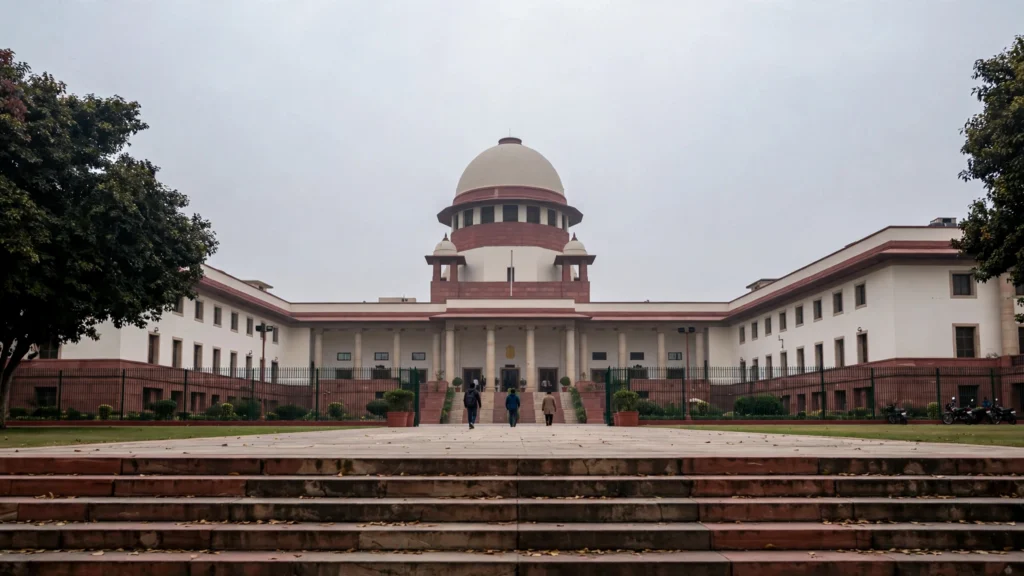
The Centre moved the Supreme Court on August 24, barely three weeks before the six-month deadline for implementing the March judgment was to expire, seeking clarifications on how to apply the ruling. The DoPT has sought directions to allow it to proceed with service allocation on the basis of the OBC creamy layer determination applied before the March 11 verdict.
Reports also say the Centre has asked for protection for decisions already taken in the past, such as completed admissions and confirmed rights, and for time to frame proper equivalence criteria for posts in private firms, PSUs and other institutions. On September 24, the Supreme Court reserved its order on the Centre’s plea, which means it has heard the arguments but has not yet pronounced its decision.
Government sources have sought to reassure the batch on one point: the delay in starting the course will have no bearing on the seniority, gradation or other service conditions of CSE 2025 candidates. That assurance matters, because seniority shapes an officer’s entire career, from first posting to promotion.
Who else could be affected
The immediate focus is the 958 candidates of CSE 2025, but the clarification could reach further. Reports suggest around 100 candidates from earlier examinations, whose OBC claims were earlier rejected on creamy layer grounds, could also be affected depending on how the court frames its clarification and whether it applies to past cases.
What happens next
Everything now hinges on the Supreme Court’s reserved order. Once the court clarifies how the March judgment should be implemented, the DoPT can finalise service and cadre allocation, and LBSNAA and the other training academies can announce a revised Foundation Course schedule.
Frequently asked questions
How many candidates are affected by the delay?
958 candidates recommended by the UPSC for CSE 2025 are awaiting service allocation and the start of their Foundation Course.
Why has service allocation been delayed?
The Centre is awaiting Supreme Court clarity on implementing the court’s March 11, 2026 judgment on OBC creamy layer determination, which changed how creamy layer status is assessed.
When was the Foundation Course supposed to begin?
The course was listed in the LBSNAA calendar for the last week of August 2026, in line with the usual late August to early September start, but it has still not begun.
Will the delay affect the candidates’ seniority?
Government sources have said the delay will have no bearing on the seniority, gradation or other service conditions of CSE 2025 candidates.
What is the next step?
The Supreme Court reserved its order on the Centre’s clarification plea on September 24, 2026. Service allocation and the Foundation Course are expected to follow once that order is pronounced.
Stay with Informeia for the latest updates on UPSC CSE 2025 allocation, the Supreme Court order and the Foundation Course schedule.