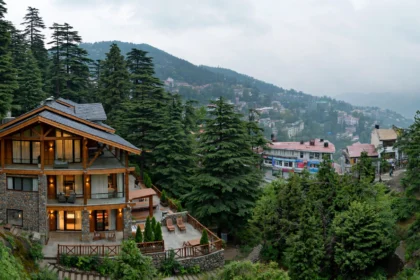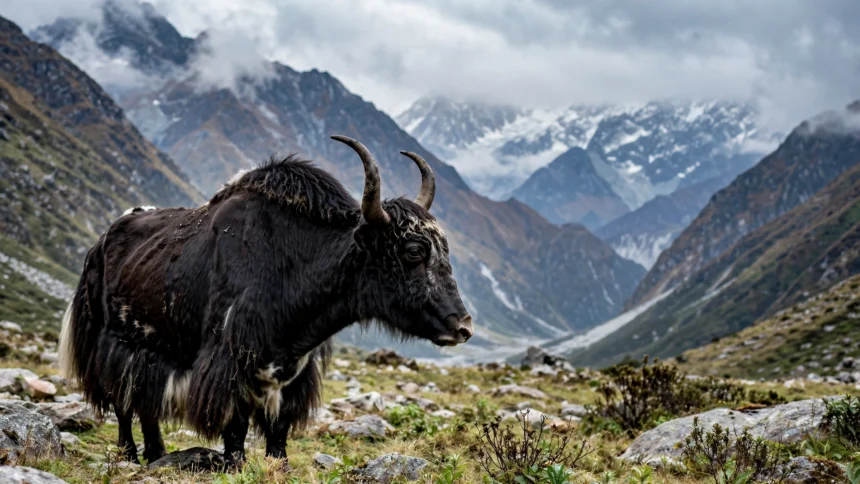
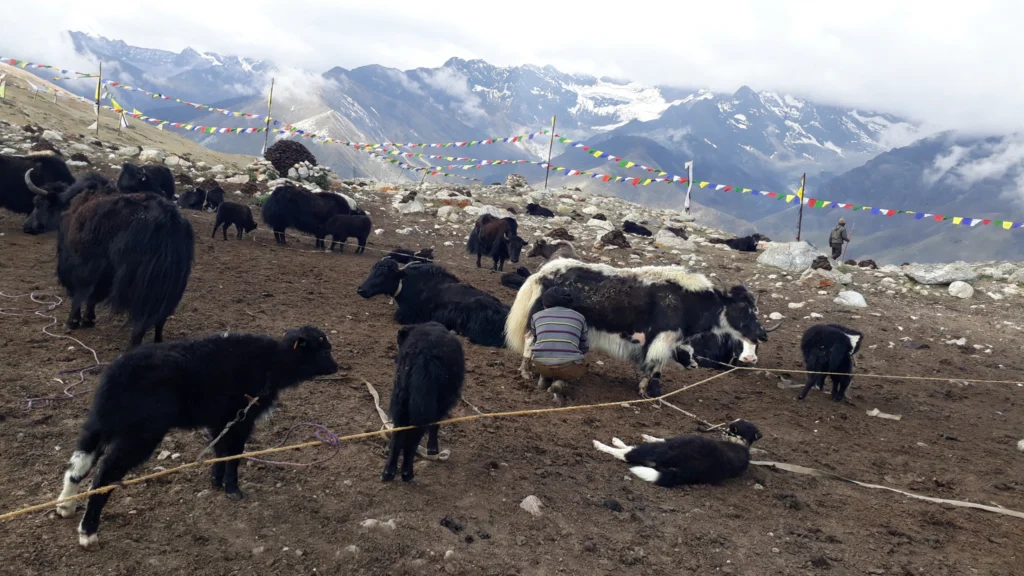
At 13,500 feet, where the air is thin and the wind cuts through a jacket, a valley near the India-China border filled this week with the animals that have shaped life there for generations. Sikkim hosted its first Himalayan Yak Festival at Gnathang Valley, and by Thursday, October 29, reports said around 400 to 500 yaks had gathered in the high meadows, alongside the herders who depend on them.
The three-day festival, held from October 27 to 29, mixed celebration with a serious conversation. There were stalls, traditional herder huts and yak products on display, and a clear message throughout: the yak population is falling, young people are leaving herding behind, and a way of life built around these hardy animals could fade without support.
Gnathang Valley, also known as Nathang Valley, sits in East Sikkim in Pakyong district, along the historic Old Silk Route. Gnathang-Machong MLA Pamin Lepcha said preparations had gone on for a week in difficult weather. The effort, she said, was worth it to bring the yak pastoral community together and ensure government support for herders.
What visitors saw in the valley
The festival was organised by the state Department of Animal Husbandry and Veterinary Services, with Sikkim INSPIRES, the Ashoka Trust for Research in Ecology and the Environment (ATREE), the G.B. Pant National Institute of Himalayan Environment and the Eicher Group involved. Stalls showcased yak products and breeding developments, including artificial insemination for yak breeding.
People from different states took part, exchanging knowledge about rearing and traditional ways of life, and about working together when disease breaks out among herds. Yaks grazing on open meadow, prayer flags above a herding camp, snow-dusted ridges in the distance: the festival put a familiar Himalayan picture in its proper context, as a working landscape, not just a view.
Why conservation took centre stage
Behind the festival mood sits a worrying trend. Pre-festival coverage citing research by the Indian Council of Agricultural Research (ICAR) put Sikkim’s yak population at around 5,219, reared largely by the nomadic Dokpa pastoral community. Across India, the population was estimated in recent years at around 58,000, concentrated in the high Himalayas of Sikkim, Arunachal Pradesh, Himachal Pradesh and Ladakh.
Thupden Lachungpa, an executive member of the Yak Federation of India, told news agency ANI that many young people had drifted away from yak rearing because it was not profitable enough. He argued for practical help, including government purchase of yak-based products and incentives for herders, so protecting the animals and earning a living point in the same direction.
The Yak Pole proposal
Lachungpa proposed a Himalayan Pole, also called the Yak Pole: a third pole, alongside the North and South Poles, to recognise the Himalayas and the yak, an animal native to the region. It was a proposal about identity as much as ecology, a reminder that the yak is not only livestock, but a marker of Himalayan culture.
Lepcha said the response to the first festival had been encouraging and hoped Gnathang would host it every year, which could give high-altitude tourism a steadier footing.
What this means for travellers and herders
For herders, the test will be what follows the festival: incentives, product markets and breeding support. For travellers, it is a reminder to plan Gnathang visits with altitude and weather in mind.
- Gnathang Valley sits at about 13,500 feet, so visitors should allow time to acclimatise and carry warm layers even on a bright day.
- Yak products and local crafts were a central part of the festival, and buying from herders directly supports the livelihoods the event was held to protect.
- The festival brought together herders from different Himalayan states, making it as much a knowledge-sharing gathering as a showcase.
- Organisers hope the event becomes annual, which would give the valley a fixed place on Sikkim’s cultural calendar.
Sikkim’s first Yak Festival did not pretend that one gathering can reverse a decline. It put herders, yaks and officials in the same valley and asked how a community keeps a tradition alive when the economics push the other way.
FAQs
Where is Gnathang Valley?
Gnathang Valley, also called Nathang Valley, is in East Sikkim’s Pakyong district, near the India-China border along the historic Old Silk Route, at an altitude of about 13,500 feet.
How many yaks took part in the festival?
Reports on October 29 said around 400 to 500 yaks were present at the event, along with stalls displaying yak products and breeding developments.
Why was the Yak Festival held?
The festival aimed to promote yak conservation, support herders’ livelihoods, encourage young people to stay in yak rearing, and promote tourism in high-altitude border areas.
What is the Yak Pole proposal?
A proposal for a Himalayan Pole, also called the Yak Pole, as a third pole alongside the North and South Poles, to recognise the yak and strengthen efforts to protect it.
Will the festival happen again?
Organisers and local MLA Pamin Lepcha expressed hope that Gnathang would host the festival every year, though no date for a next edition has been announced.
Reporting based on coverage by ANI, ABP Live, Free Press Journal, Sikkim Express and pre-festival reporting on the event. Yak population figures are ICAR research cited in that coverage.