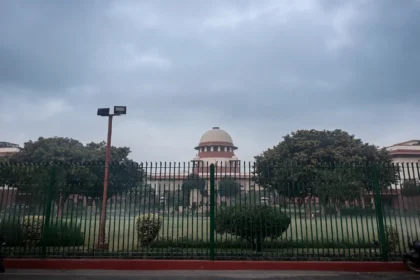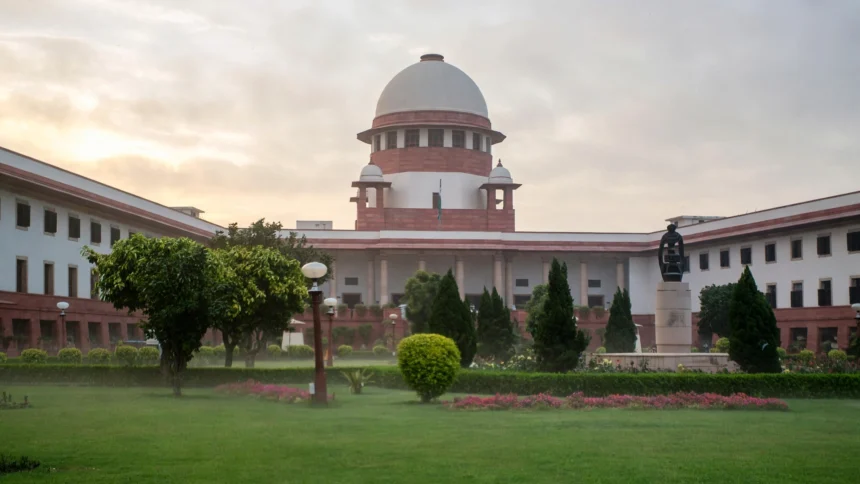
For thousands of Karnataka job aspirants, a case that began nearly 15 years ago has finally reached a clear end, and a new beginning. On Thursday, October 29, the Supreme Court struck down a Karnataka law that had tried to save the controversial 2011 gazetted probationers recruitment, and ordered the state to start again with fresh hiring for Group A and Group B posts.
The ruling also settles whether a state legislature can pass a law to undo a court decision, and it reopens the door for candidates who have waited years.
What the Supreme Court decided
A bench of Justices J B Pardiwala and K Vinod Chandran struck down the Karnataka Civil Services (Validation of Selection and Appointment of 2011 Batch Gazetted Probationers) Act, 2022. The court held that the Act was unconstitutional because it tried to nullify judicial decisions that had already upheld the cancellation of the 2011 selection process.
The judges said a legislature can change the legal basis of a judgment in some cases, but it cannot simply annul a final judgment of a constitutional court through a later law. Once the Act fell, the appointments made under it also came to an end, the court observed.
The court used strong words about the original recruitment. It said the 2011 selection had been set aside not for a small defect, but because rampant corruption and blatant nepotism had vitiated the entire process. In that situation, the court said, no equity could be claimed by candidates selected through a tainted process.
A recruitment that never really ended
The story goes back to November 2011, when the Karnataka government notified recruitment for 362 Group A and Group B gazetted probationer posts. More than 1.38 lakh candidates applied, a scale that shows how prized these posts were, and still are.
Complaints of irregularities followed. The state ordered an inquiry, serious allegations of manipulation, corruption and nepotism involving officials of the Karnataka Public Service Commission (KPSC) came to light, and the recruitment was cancelled. The Karnataka High Court upheld the cancellation, and the Supreme Court had earlier refused to interfere with that decision.
In 2022, more than a decade later, the state enacted the validation law to revive the selection and the appointments made from it, arguing that candidates should not suffer for irregularities allegedly committed by KPSC officials. Unsuccessful candidates challenged the law, and the matter eventually reached the Supreme Court, which has now sided with the challengers.

Fresh recruitment, with a one-time age relaxation
The most practical part of the judgment is what happens next. The court directed the Karnataka government to notify recruitment for the vacant posts remaining in Group A and Group B services, under the recruitment rules in force now.
It also recognised a human problem created by years of litigation. Many candidates from the 2011 process are now older than the age limit would normally allow. The court therefore ordered a one-time age relaxation for specified categories, so they get a fair chance to compete again. Those covered include:
- Appointed candidates who were not found tainted
- The six appellants before the Supreme Court
- Petitioners in pending proceedings before the Karnataka Administrative Tribunal
- Other candidates who are eligible under the current rules
This is a fresh process, not a resumption from where the old one stopped. If those already working in these posts are selected again, seniority will count only from the new appointment, with no back wages, though earlier service will count for pension benefits.
What aspirants should do now
There is no new application form and no exam date yet, because the Karnataka government still has to issue the fresh notification the court has directed. Aspirants should watch for that notification from the KPSC and the state government, and not rely on social media posts about dates, vacancies or fees.
When it arrives, check the vacancies remaining, the age rules after the one-time relaxation, and the selection stages under the current rules. The 362 figure refers to the original 2011 notification. Candidates from 2011 should keep old records ready, including proof of their earlier application and any tribunal proceedings.
Why this ruling will be cited again
Beyond Karnataka, the judgment restates a basic constitutional limit. A validation law cannot erase a final court decision. For Karnataka’s job seekers, the meaning is simpler. A recruitment clouded by corruption allegations since 2011 will be run again, in the open, under current rules.
FAQs
What did the Supreme Court strike down?
The 2022 Karnataka law that had sought to validate the 2011 KPSC selection and appointments made from it.
Has fresh KPSC recruitment started?
Not yet. The court has directed the state to notify recruitment for the remaining Group A and B vacancies. Candidates should wait for the official notification.
Who gets the one-time age relaxation?
Non-tainted appointees, the six appellants, petitioners before the Karnataka Administrative Tribunal, and other candidates who are now eligible.
How many posts were in the original recruitment?
362 Group A and B posts, for which more than 1.38 lakh candidates had applied. The fresh notification will confirm vacancies remaining now.
Will selected candidates get seniority from 2011?
No. Seniority will count only from the fresh appointment, with no back wages, though earlier service will count for pension benefits.
Informeia will update this story when the Karnataka government issues the fresh KPSC notification, with the vacancy details, dates and eligibility as officially announced.