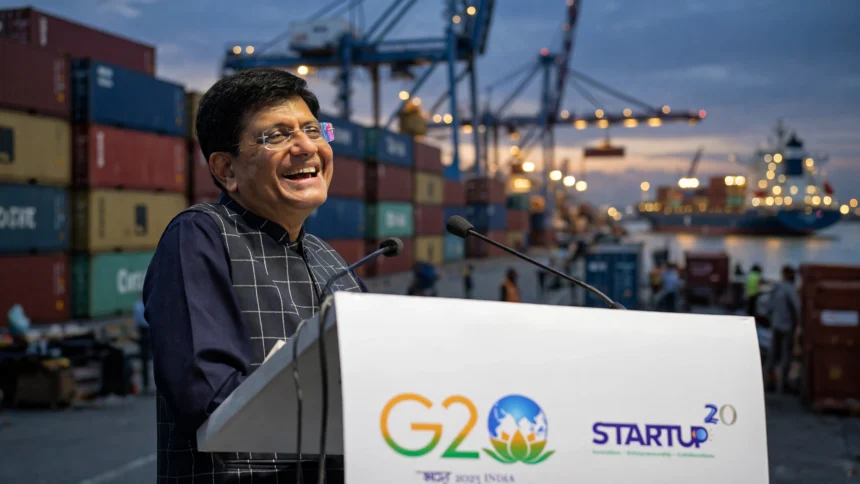
India is on course to cross $1 trillion in exports this financial year, Commerce and Industry Minister Piyush Goyal said on Tuesday, pointing to a strong first half in which combined goods and services exports touched about $480 billion. Speaking at the curtain-raiser event for the Bharat Mobility Global Expo 2027 in New Delhi, Goyal called the target “sacrosanct” and said the second half of the year is traditionally stronger for exporters.
“Our USD 1 trillion export target this year is sacrosanct. We have to achieve it,” Goyal said. “We are already at about USD 480 billion. Well on track. The first six months are normally less than the next six months.”
The minister also teased the October trade numbers, which are due on November 15, saying exporters and watchers should expect a pleasant surprise. “You are in for a surprise when you hear the number of October,” he said.
What the official numbers show
Data from the Ministry of Commerce and Industry backs the minister’s confidence. India’s combined merchandise and services exports stood at $476.20 billion during April to September 2026-27, up 13.84 per cent over the same period last year. Merchandise exports alone reached $259.89 billion in the first half, a rise of 18.51 per cent, with September shipments of $44.40 billion growing 23.04 per cent year on year.
The growth has been broad-based. Electronic goods, engineering goods and chemicals have led the merchandise surge, while petroleum exports rose 37 per cent in dollar terms in the first half as Indian refiners benefited from firm global prices. Services exports have stayed resilient too, with the April to September services surplus rising to $102.71 billion from $98.77 billion a year earlier.
For context, India’s total goods and services exports touched a record $863 billion in 2025-26. Crossing $1 trillion this year would mean adding roughly $140 billion to that record in a single year, a jump of about 16 per cent.
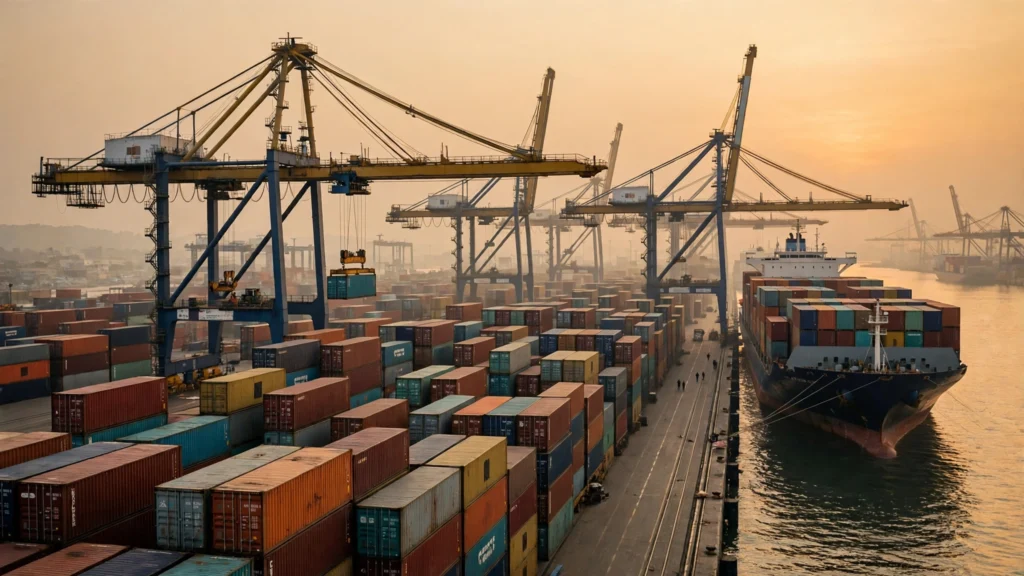
Trade deals open new doors
Goyal linked the export push to India’s expanding network of trade agreements. He said the 27-nation European Union market could become accessible at zero duty by March or April, while negotiations with another seven or eight countries are underway.
“So as things stand, you will have preferential access for almost 75% of global GDP from India,” the minister said.
The government is also working to remove bottlenecks closer home. Officials are mapping regulatory and market-access barriers faced by Indian exporters in seven South Asian neighbours, including import restrictions, licensing requirements, product standards and payment delays, as part of the drive to diversify overseas markets. Merchandise exports to those seven countries fell 1.3 per cent to $25.7 billion in FY26, and New Delhi wants to reverse that slide.
Manufacturing interest from Europe and Japan
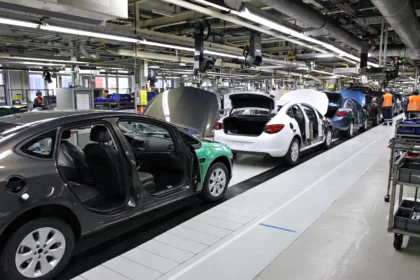
The minister said the trade momentum is drawing fresh manufacturing interest. European car manufacturers are looking at India as a production base for domestic and overseas markets, he said, and could start by introducing a limited number of models to test demand before shifting manufacturing here.
“Once we are able to finalise what has appetite in India, then we will bring that car manufacturing to India, not only for India, but for the world,” Goyal said.
Japanese companies are exploring large-scale partnerships with Indian manufacturers as well. “Billion-dollar investments to come into India and manufacture here for the world. That is the level of interest that different industries are witnessing just from Japan,” he said.
Why this matters
Exports matter because they bring in foreign exchange, support jobs in manufacturing and services, and help balance a trade deficit that widened in the first half as imports grew faster than exports. The combined goods and services deficit stood at $74.93 billion in April to September, against $58.10 billion a year earlier, even as services provided a partial cushion.
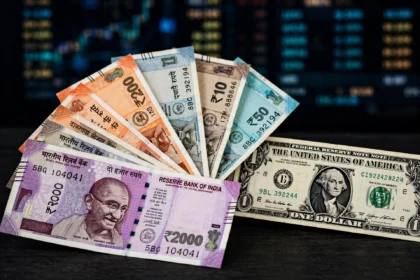
Strong export growth also strengthens India’s hand in trade negotiations and supports the rupee, which has steadied in recent weeks as foreign portfolio flows turned positive in November after months of outflows. The next test comes on November 15, when the October trade data lands. If Goyal’s hint is right, the number could set the tone for the second half of the fiscal.
FAQs
What is India’s export target for FY27?
India aims to cross $1 trillion in combined goods and services exports in 2026-27, up from a record $863 billion in 2025-26.
How much has India exported so far this year?
Combined exports stood at $476.20 billion in April to September 2026-27, up 13.84 per cent from a year earlier, with merchandise exports at $259.89 billion.
When will the October export figures be released?
The October trade data is scheduled for release on November 15, and the commerce minister has hinted at a strong number.
Which markets could open up for Indian exporters?
The European Union market could become accessible at zero duty by March or April, and India is negotiating trade deals with seven or eight more countries.
Why does the $1 trillion target matter?
Higher exports bring in foreign exchange, support manufacturing and services jobs, and help offset a widening trade deficit.
India’s export story will be watched closely in the coming weeks, with the October numbers on November 15 as the next big checkpoint on the road to $1 trillion.