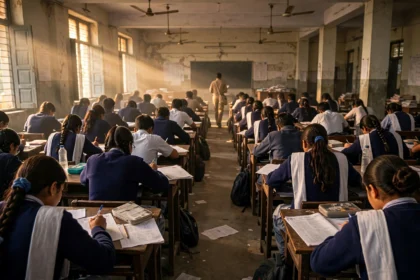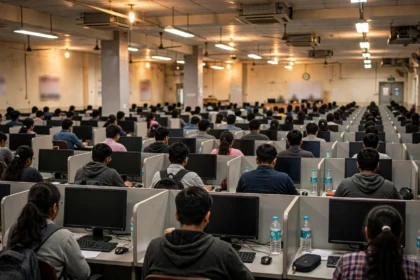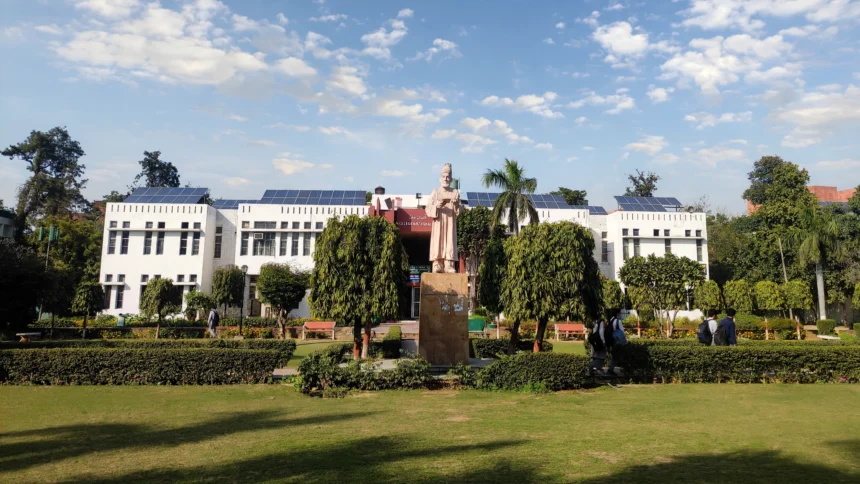
Jamia Millia Islamia in Delhi has moved its classes online after a student protest demanding the restoration of the students union escalated on Saturday. The shift, reported on Sunday, comes as five students continue an indefinite hunger strike and the campus remains under heavy security deployment.
The protest, centred near Gate 7 of the university, has been building for almost two weeks. What began on October 12 as a demand for student representation has now turned into one of the most closely watched campus standoffs in the capital this year, with both students and the administration digging in.
What happened on Saturday
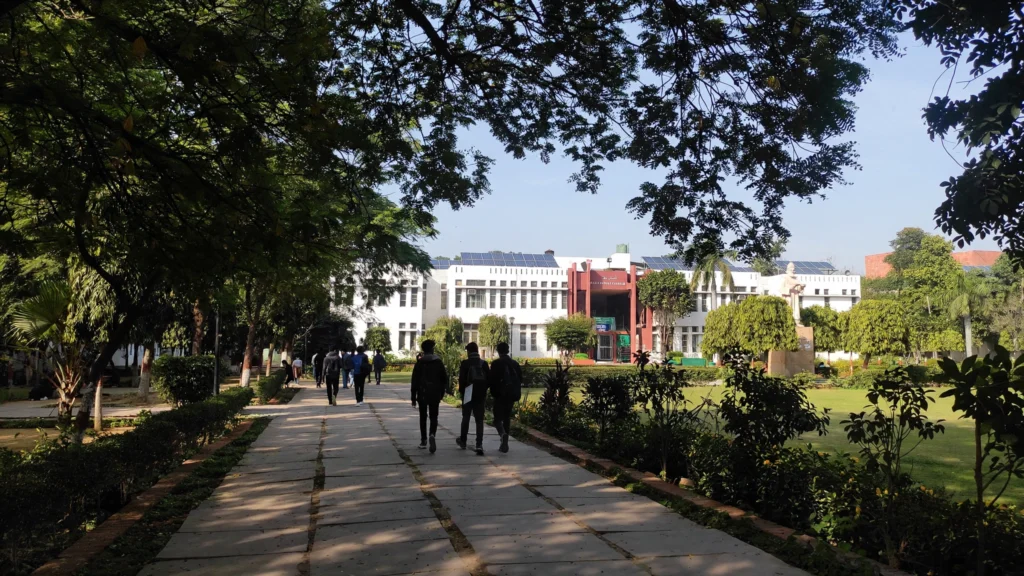
According to multiple reports, university staff and security personnel reached the protest site inside the Gulistan-i-Ghalib garden near Gate 7 on Saturday afternoon. The visit, described by the administration as an attempt to talk to the protesters, turned tense when security guards began removing tents and banners from the site.
Students resisted the move and a commotion followed. Two ambulances were called to the site for the hunger-striking students, reports said. The protesters later moved into the political science department near Gate 7 and continued their agitation there.
Students have alleged that force was used to clear the site and that their tents were damaged. The administration, on its part, has maintained that the presence of outsiders and political leaders added to the unrest and that clearing the site was necessary for security on campus. ABP News also reported that hostels had been closed, raising questions among students about access to campus facilities.
Police deployment around the campus has been heavy through the past week, and students have said the atmosphere feels intimidating, particularly for women protesters. The university has not announced when offline classes will resume, saying only that teaching will continue online until further orders.
What the students are demanding
At the heart of the protest is one central demand: bring back the Jamia Millia Islamia Students Union through elections. The union was disbanded in 2006 following incidents of campus violence and academic disruption, and students say nearly two decades without an elected body has left them with no formal voice in university decisions.
The protesters have listed three clear demands:
- Announce a date for students union elections and restore the union.
- Withdraw the rustication orders against three students and cancel show-cause notices, campus bans and other disciplinary action against activists.
- Seek the resignation of Chief Proctor Mohammad Asad Malik over the handling of the protests.
Former NSUI president at Jamia, Mohammad Athnan, told reporters that students would continue the protest until their demands were met. He also warned that the agitation could intensify from Monday, when most students are expected to return to campus after the Puja holidays.
Why the union question matters
For the protesters, this is not only about one election. A students union, they argue, is the everyday mechanism through which hostel issues, fee concerns, library timings and disciplinary cases get raised and resolved. Without it, they say, individual students are left to fight every issue alone.
The agitation picked up visible momentum on October 23, when women students organised a campus-wide rally starting from the Ibn-e-Sina Reading Hall, marching past the Polytechnic Faculty and the Central Canteen to Gate 7. The marchers stressed that any revived union must centre gender justice and democratic representation.
The administration, meanwhile, has pointed to security concerns and the involvement of outsiders. The gap between the two positions is now the central problem: students want a date for elections and the withdrawal of disciplinary action, while the university wants the protest site cleared and normalcy restored.
What happens next
All eyes are now on Monday, October 26. If large numbers of students return to campus after the holidays and join the protest, the pressure on the administration will grow. If the university instead holds firm on its security line, the standoff could stretch further into the week.
For now, students attending Jamia should keep a close watch on official university notices about the online class schedule, and on any fresh statement from the administration about talks with the protesters. A negotiated settlement, with a clear timeline on the union question, remains the most likely way back to regular classes.
FAQs
Why has Jamia Millia Islamia moved classes online?
Classes were shifted online after the student protest over union elections escalated on Saturday, with a confrontation at the protest site near Gate 7 and heavy security deployment on campus.
When did the Jamia protest begin?
The protest began on October 12, with five students on an indefinite hunger strike demanding the restoration of the students union.
What are the students demanding?
They want students union elections to be announced, rustication orders and other disciplinary action against activists to be withdrawn, and the resignation of the Chief Proctor.
When was the Jamia students union disbanded?
The union was disbanded in 2006 following incidents of campus violence and academic disruption, according to reports.
When will offline classes resume at Jamia?
The university has said classes will run online until further orders. No date for a return to offline teaching has been announced yet.
The coming days will decide whether dialogue or deadlock defines this chapter at Jamia. For students, the demand is simple: a vote, a voice, and a campus where both can be heard.