


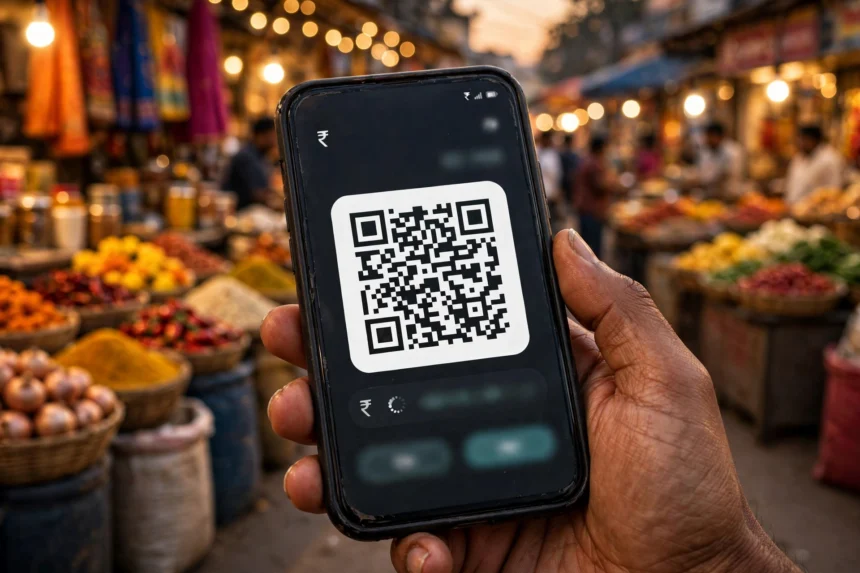
Millions of shopkeepers across India are heading into the festive season with an unanswered question hanging over their checkout counters: will UPI payments start carrying a fee on October 15? With just three days left for the deadline, the National Payments Corporation of India (NPCI) has still not announced a decision on whether the merchant discount rate (MDR) framework will kick in as scheduled or be pushed to January 2027.
The uncertainty deepened after a scheduled meeting of the UPI Steering Committee, which was expected to discuss the proposed charges, did not take place on October 9. According to reports, the meeting was supposed to finalise the rollout plan and clarify several loose ends in the framework. NPCI has not announced a revised meeting date, nor has it confirmed whether the original October 15 implementation will go ahead.
What the proposed MDR framework says
Under the framework announced earlier, a 0.40 per cent merchant discount rate would apply to eligible person-to-merchant UPI transactions above Rs 2,000, capped at Rs 300 per transaction. Consumers would not pay the fee; it would be borne by merchants. Specific categories such as bill payments, utilities, education and fuel would attract a flat fee of Rs 5 per transaction above Rs 2,000.
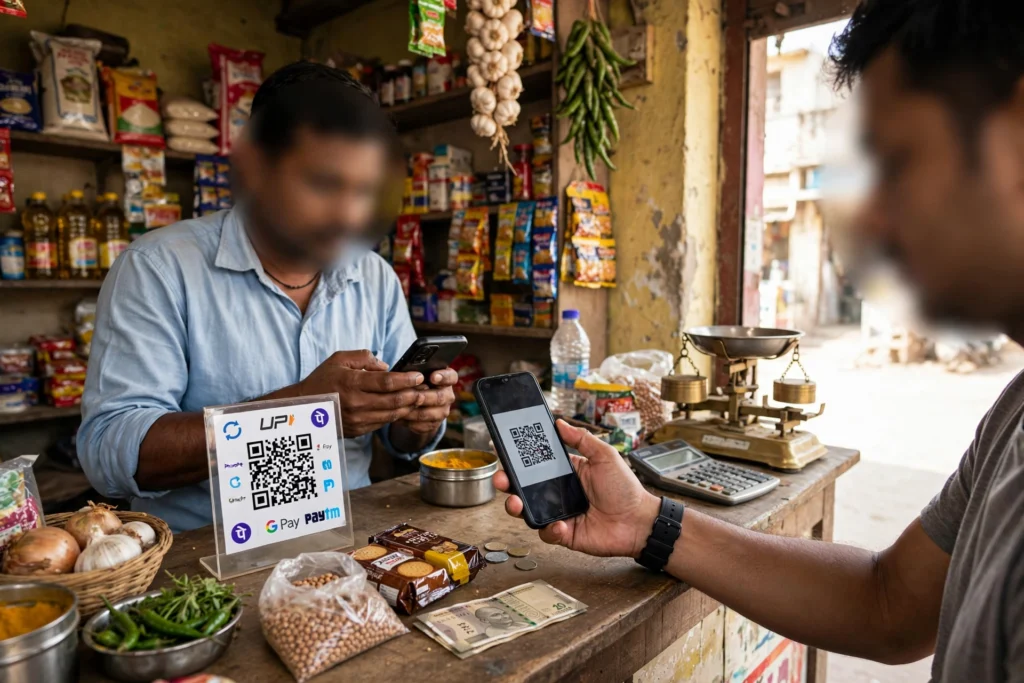
Small merchants were already meant to get some relief. Under the announced plan, businesses receiving up to Rs 1 lakh a month through UPI QR codes directly into their bank accounts would be spared the charge. Reports now suggest the committee is considering expanding that exemption to businesses with an annual turnover of up to Rs 40 lakh, which would shield a much larger share of neighbourhood shops.
Why traders are pushing back
Retail traders associations have been the loudest opponents of the rollout. They argue that introducing payment charges just before the festive shopping season would squeeze businesses already working on thin margins, and that the added cost could eventually be passed on to customers through higher prices.
The protest call went as far as a proposed No UPI Day on October 2. That plan was withdrawn only after traders met Union Finance Minister Nirmala Sitharaman last month. Fintech companies and payment service providers have also raised concerns about the timing, asking for more clarity on which transaction categories would attract charges and how the different rates would work in practice.
RBI Governor Sanjay Malhotra has said a small MDR fee is unlikely to dent UPI transaction volumes. UPI recorded an average of 802 million transactions a day in September, with volume rising 22.6 per cent year-on-year to 24.07 billion transactions.
Markets react to the delay signals
Investors are watching the saga closely. Shares of Paytm and One MobiKwik Systems climbed more than 2 per cent in early trading on Friday as the market bet on a postponement. At the proposed rate, a Rs 10,000 payment would attract a Rs 40 fee for the merchant, money that would partly flow back to banks and payment apps as revenue. A deferment means that income arrives later, but traders and the government both see relief during the festival quarter as the priority.
The Supreme Court has refused to stay the MDR rollout while issuing notices to the government, RBI and NPCI, keeping the legal door open but the practical decision firmly with the payments body.
What happens next
- A final decision on deferring the rollout to January 1, 2027 is expected in the coming days, with three days left before the October 15 deadline.
- The UPI Steering Committee, headed by NPCI, still needs to meet to discuss timing and clarify the framework.
- The proposed wider exemption for businesses with up to Rs 40 lakh annual turnover could reshape who actually pays the fee.
- Authorities are separately considering raising the daily UPI transaction limit for certain categories to Rs 2 lakh from Rs 1 lakh.
For now, merchants, payment apps and investors share the same suspense. The government wants festive sales to flow smoothly, banks want the revenue to start flowing, and small shops want the whole idea dropped. All eyes are on NPCI for the announcement that will settle it.
Frequently asked questions
Will customers pay the UPI MDR fee?
No. The merchant discount rate is paid by merchants, not consumers. Your UPI payments stay free from your side.
When was the UPI MDR supposed to start?
The framework was scheduled to take effect on October 15, 2026, but a postponement to January 1, 2027 is under consideration.
Which transactions would attract the fee?
Eligible person-to-merchant transactions above Rs 2,000 would attract a 0.40 per cent charge, capped at Rs 300 per transaction.
Which small merchants are exempt?
Merchants receiving up to Rs 1 lakh a month via UPI QR codes were to be spared, and the committee is considering widening this to businesses with up to Rs 40 lakh annual turnover.
Why is the rollout facing pushback?
Retail traders argue that adding payment charges during the festive season would strain small businesses, and want clarity on categories and rates before any fee begins.
That is the latest on the UPI MDR question. Informeia will update this story as soon as NPCI announces its decision.