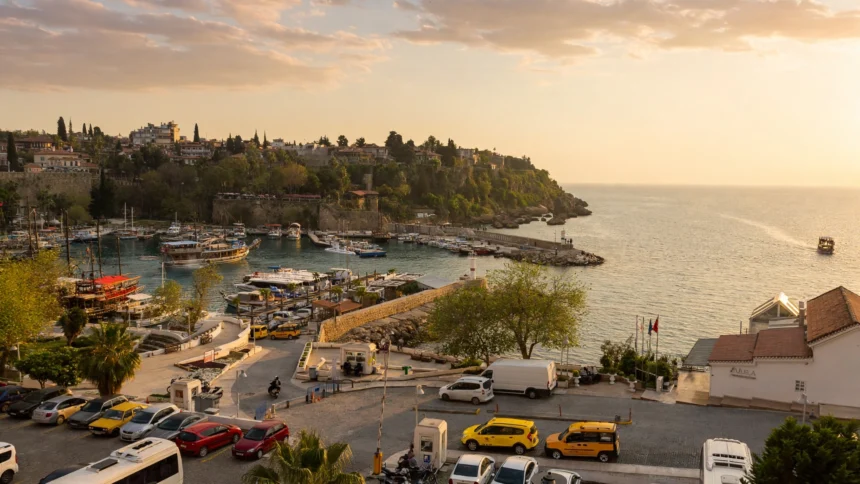
The wait is over. COP31, the 31st United Nations Climate Change Conference, opens in Antalya, Turkiye, today, Monday, November 9, bringing together nearly 200 countries for two weeks of talks that will shape how the world pays for climate action and moves towards cleaner energy. The summit runs until November 20, and a World Leaders Summit is scheduled for November 11 and 12.
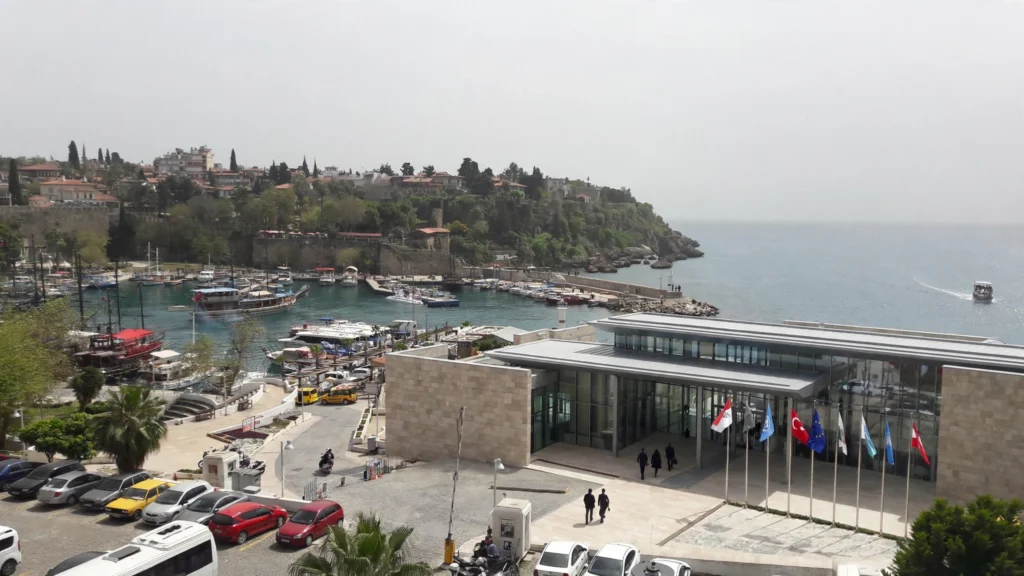
This year the conference looks different from every COP before it. For the first time in the history of the UN climate talks, the presidency is shared between two countries. Turkiye is hosting the summit and holds the formal presidency under Environment Minister Murat Kurum, while Australia’s Climate Change and Energy Minister Chris Bowen leads the negotiations. The Antalya Expo Centre will host the main sessions, and a dedicated Finance and Trade Day is planned for November 13.
Why COP31 matters now
COP31 opens against a stark scientific backdrop. The UN Environment Programme’s Emissions Gap Report 2026, released on October 21, indicates that the 1.5 degree Celsius limit set by the Paris Agreement will be surpassed on current plans. A separate UN assessment covering new or updated national climate plans from 154 countries found that full implementation would cut global greenhouse gas emissions by only around 6 per cent by 2035, far short of what is needed.
The summit also arrives with trade tensions already in play. The European Union’s Carbon Border Adjustment Mechanism, known as CBAM, is now in effect, which means imports of steel, cement, aluminium and fertilisers from countries without equivalent carbon pricing arrive with a tax attached. Developing countries have called the measure unilateral and protectionist, and the issue is expected to run through the Antalya talks.
India’s stand at Antalya
India heads into COP31 with a clear and firm position, set out by Union Environment Minister Bhupender Yadav on November 3. New Delhi will push for climate finance to be treated as a legal obligation of developed countries under Article 9.1 of the Paris Agreement, and it will seek a decision to begin the Climate Finance Work Programme.
India has also made it clear that it will oppose the EU’s CBAM, arguing that the unilateral measure places an extra burden on businesses in developing economies. On fossil fuels, India will not support any move to phase them out, keeping in mind the country’s energy requirements and development goals. Yadav has said India will play a constructive and bridge-building role, pushing for an outcome that shifts the focus from commitments to implementation and support.
India’s own climate targets were updated in April 2026. The country aims to cut the emission intensity of its GDP by 47 per cent compared to 2005 levels, have 60 per cent of its power capacity from non-fossil sources, and create an additional carbon sink of 3.5 to 4.0 billion tonnes of CO2 equivalent by 2035.
The $1.3 trillion question
The biggest number hanging over Antalya is $1.3 trillion. That is the scale of the climate finance gap facing developing countries, and it is the figure negotiators will keep returning to over the next two weeks. At the heart of the talks is the new collective quantified goal on climate finance, the figure that is meant to replace vague pledges with a concrete dollar commitment from developed nations.
Adaptation finance is also firmly in the spotlight. The UNEP Adaptation Gap Report 2026, published on November 4, five days before the summit, assesses how far the world has come in preparing for climate impacts that are already unavoidable, and it gives negotiators a shared set of facts to argue from when the summit opens.
What to watch over the next two weeks
- November 11 and 12: The World Leaders Summit brings heads of state and government together. The Turkish presidency has invited Prime Minister Narendra Modi, though it is not yet clear whether he will attend.
- November 13: The WTO hosts a dedicated Finance and Trade Day, where carbon tariffs and trade friction will take centre stage.
- The second Global Stocktake: The Paris Agreement’s formal audit of collective progress officially launches at COP31.
- Finance text: Whether negotiators agree a concrete number for the new climate finance goal, or leave it for another year.
- Just transition: India and other developing countries are expected to seek continuation of just-transition work while resisting new top-down mitigation targets.
Expectations remain tempered. Geopolitical tensions, tight public budgets in developed countries and scientific assessments showing national plans falling short all weigh on the talks. But Antalya is where the shift from pledges to action is meant to happen, and the next twelve days will show whether the world is ready to pay for it.
FAQs
What is COP31? COP31 is the 31st Conference of the Parties to the United Nations Framework Convention on Climate Change, the annual summit where nearly 200 countries negotiate climate action, finance and clean energy.
When and where is COP31 being held? The summit runs from November 9 to 20, 2026, at the Antalya Expo Centre in Turkiye, with a World Leaders Summit on November 11 and 12.
Who is leading COP31? In a first, the presidency is shared: Turkiye’s Murat Kurum holds the presidency of the Action Agenda, while Australia’s Chris Bowen leads the negotiations.
What is India’s main demand at COP31? India wants climate finance treated as a legal obligation of developed countries, opposes the EU’s carbon border tax, and seeks a decision to start the Climate Finance Work Programme.
What is the $1.3 trillion figure about? It is the scale of the climate finance gap facing developing countries, and the central number in talks over a new, concrete finance goal to replace vague pledges.
COP31 continues in Antalya until November 20, and Informeia will track the key outcomes for India as the talks unfold.