West Bengal’s state-run hospitals are set for a major staffing push. Health Minister Shardwat Mukherjee on Thursday announced that the government will recruit more than 2,000 doctors and up to 10,000 nursing personnel, in one of the biggest health-sector hiring drives the state has seen in recent years.
The announcement came on 12 November, and the recruitment process is expected to begin this week. Advertisements for the posts will be issued shortly, with the government initially relying on contractual appointments to fill urgent gaps while the permanent recruitment process runs its course.
The numbers, the minister stressed, are only preliminary. The health department is still running a detailed survey to map vacant posts across government hospitals and health facilities, and the final figures could change once that survey is complete.
Why the hiring cannot wait
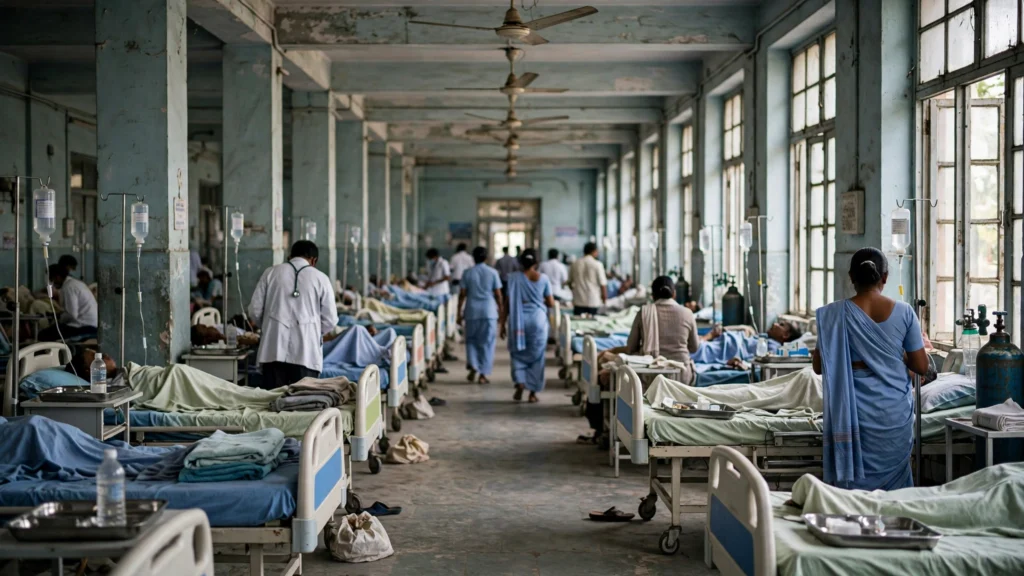
Staff shortages have been a persistent problem in Bengal’s public hospitals. Junior doctors and nurses have repeatedly flagged long duty hours, crowded wards and unfilled posts, and the pressure on the system has only grown with rising patient numbers.
The minister was candid about the timelines involved. Permanent recruitment through the Health Recruitment Board generally takes six to eight months for healthcare staff, and the process for doctors through the Public Service Commission can stretch to around 18 months. The state, he said, cannot leave its hospitals short-staffed for that long.
That is why contractual appointments will be used as a bridge. Doctors and nurses taken on contract will be deployed where shortages are most acute, while the regular recruitment process moves ahead in parallel. The contractual recruitment of doctors is set to begin from Friday, 13 November.
Which hospitals will benefit
The recruitment will cover hospitals in Kolkata as well as in other parts of the state. It is not limited to rural or peripheral facilities. Among the institutions named by the minister are:
- Kolkata Medical College
- Vidyasagar Hospital
- Bidhannagar Sub-divisional Hospital
- Bagha Jatin State General Hospital
- B N Bose Hospital, Barrackpore
- North Suburban Hospital
The health department has said the contractual staff will be posted wherever shortages are found, from doctors to support and Group D staff, so the drive reaches beyond the headline numbers.
Contractual first, permanent alongside
The hiring will be a mix of contractual and permanent appointments. For nurses and other categories of healthcare workers, the West Bengal Health Recruitment Board is expected to oversee the process. For doctors, permanent recruitment will go through the Public Service Commission, which is the slower route, and that is exactly why the government is starting with contracts.
The minister has been clear that the figures announced so far are initial estimates. “These are initial figures only. Once the survey is completed and we identify the vacancies and vacant posts, the number may change,” he said. Candidates should therefore watch for the official advertisements rather than treating the announced numbers as final.
What candidates should watch for
With advertisements expected from this week, aspirants should keep an eye on the West Bengal Health Recruitment Board’s website and the health department’s notices for eligibility criteria, age limits, qualifications and application deadlines. The posts will span medical officers, specialists, staff nurses and other healthcare roles.
For doctors, the mix of contractual and permanent posts means there could be two tracks to apply through: the quick contractual appointments starting this week, and the longer Public Service Commission process for permanent posts. Nursing aspirants should similarly track both the contractual drive and the Health Recruitment Board’s regular notifications.
The scale of the drive is significant. More than 2,000 doctors and 8,000 to 10,000 nurses would add between 10,000 and 12,000 healthcare workers to a system that has been running short for years. If the survey confirms the numbers, it will be one of the largest single recruitment exercises in the state’s health sector.
Frequently asked questions
How many posts has West Bengal announced in the health sector?
More than 2,000 doctors and between 8,000 and 10,000 nursing personnel, announced by Health Minister Shardwat Mukherjee on 12 November 2026.
When will the recruitment begin?
Advertisements are expected from this week, and the contractual recruitment of doctors is set to begin from Friday, 13 November 2026.
Are these permanent or contractual posts?
Both. The government will use contractual appointments to meet urgent needs, while permanent recruitment runs through the Health Recruitment Board and the Public Service Commission.
Are the numbers final?
No. The health department is still surveying vacant posts, and the minister has said the figures are preliminary and could change.
Where can candidates apply?
Through the official advertisements, which will be published on the West Bengal Health Recruitment Board’s website and the state health department’s channels. Candidates should apply only through official links.
The recruitment drive will be watched closely by thousands of medical aspirants across the state. For now, the advice is simple: keep documents ready, and watch for the official advertisements this week.