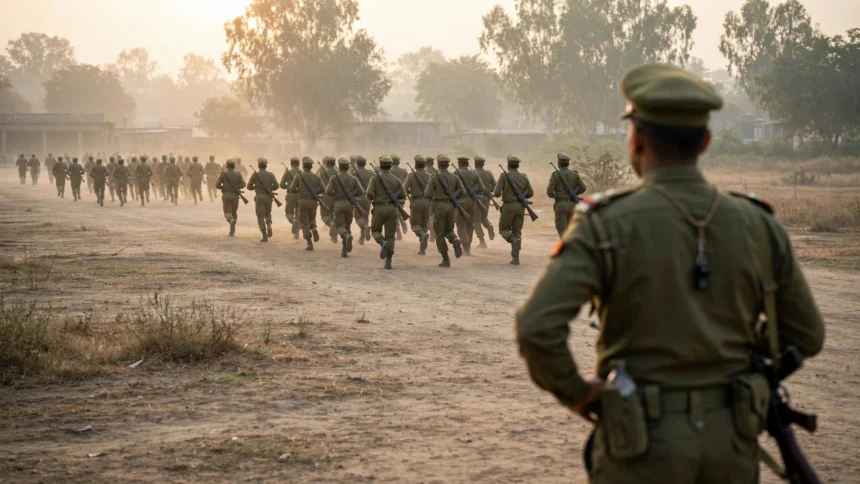
New details have emerged on how the 75 per cent of Agniveers who miss permanent service after four years will be judged for a second chance. The criteria are now being worked out, and the early signals carry a clear message: skills, fitness and discipline will matter as much as seniority.
The update came on Wednesday, 18 November, in a report by The Indian Express, quoting the tri-service Headquarters Integrated Defence Staff (HQ IDS), which said the objective selection criteria are presently under deliberation. It is the first detailed account of the armed forces’ thinking since the Union Cabinet approved the overhaul on 4 November.
What the new details say
Agniveers who are multi-skilled and proficient in technology and weapons will be given preference when the 75 per cent are considered for a two-year extension and, later, for enrolment as regular soldiers. The emphasis reflects the new technologies and weapon systems entering service.
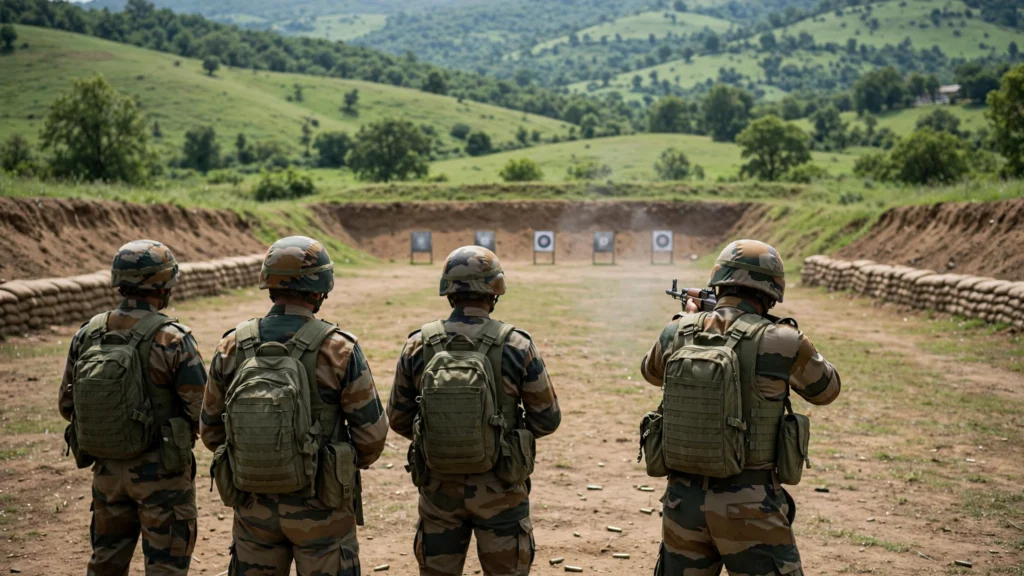
The criteria under discussion include an excellent grade in the Combined Physical Tests and a minimum first-class shot in firing. Candidates in the Low Medical Category will not be selected, and cases of indiscipline, including alcohol dependency, will count against an Agniveer. The final yardstick is still being settled, but the second chance will be earned on merit.
How the two-stage system works
The Agnipath scheme was cleared by the Union Cabinet on 14 June 2022 to recruit young people into the Army, Navy and Air Force for four years, with only 25 per cent retained as regular soldiers. The change approved on 4 November keeps that first stage untouched and adds a second one.
- After four years: the top 25 per cent of each batch are absorbed into the regular forces on merit.
- Years five and six: the remaining 75 per cent who are willing can serve a further two years, called a Second Tour of Duty by Defence Minister Rajnath Singh, with higher pay and seniority benefits.
- After six years: those who complete the extension can be enrolled as regular soldiers, subject to willingness and the selection criteria now being finalised.
- Seniority: Agniveers enrolled after six years will rank below the 25 per cent absorbed at the four-year mark.
The timing matters. Around 18,300 Agniveers from the first batch were due to complete their four-year tenure by 31 December 2026, which is why the decision came just weeks before the first exits. The first Navy batch finishes this month, followed by the first Army and Air Force batches in December.
Pay also rises in the extension: Rs 43,500 a month in the fifth year and Rs 47,500 in the sixth, reports of the 4 November briefing say, against the Rs 30,000 starting monthly pay of the first batch. The extension carries an enhanced Seva Nidhi package too, though Agniveers remain outside the pension and gratuity net during their engagement period.
Why it matters
For the roughly 18,000 Agniveers nearing the end of their first term, the question is no longer whether a second chance exists, but how to earn it. The criteria taking shape reward soldiers who used their four years to pick up technical skills, stay at peak fitness and keep a clean record. A soldier who handles new weapons systems, scores well on the range and passes the physical tests with top grades will stand a far better chance than one who simply served out the term.
For aspirants, the message is just as direct. Agnipath is no longer a four-year job with a one-in-four shot at permanence. It is now a six-year pathway in which the second stage is open to everyone who is willing and qualifies. That changes how candidates should prepare: physical training and firing practice matter, but so does learning the technology the forces are adopting. The open question is how strict the final criteria will be. Until those details are published, serving Agniveers can only prepare against the signals already given, and those signals reward skill, fitness and discipline above all.
Frequently asked questions
What is the new rule for the 75 per cent of Agniveers?
The 75 per cent not selected for regular service after four years will be offered a two-year extension. After six years in total, they can be enrolled as regular soldiers if they are willing and meet the selection criteria.
What criteria will decide who gets permanent service?
The exact criteria are still being finalised, but reports say preference will go to multi-skilled Agniveers proficient in technology and weapons, with top physical test grades, a first-class shot in firing, a clean discipline record and no Low Medical Category status.
How much will Agniveers earn during the extension?
Reports of the official briefing put the pay at Rs 43,500 a month in the fifth year and Rs 47,500 a month in the sixth year, higher than the Rs 30,000 starting pay of the first batch.
When do the first Agniveers complete their four-year term?
The first Navy batch finishes this month, and the first Army and Air Force batches complete their tenure by 31 December 2026. Around 18,300 Agniveers were due to exit at that point under the old rules.
The criteria are expected to be spelt out in the coming weeks as the first batches reach the end of their tenure. For now, the direction is set: six years, two chances, and a permanent career for those who meet the standard.