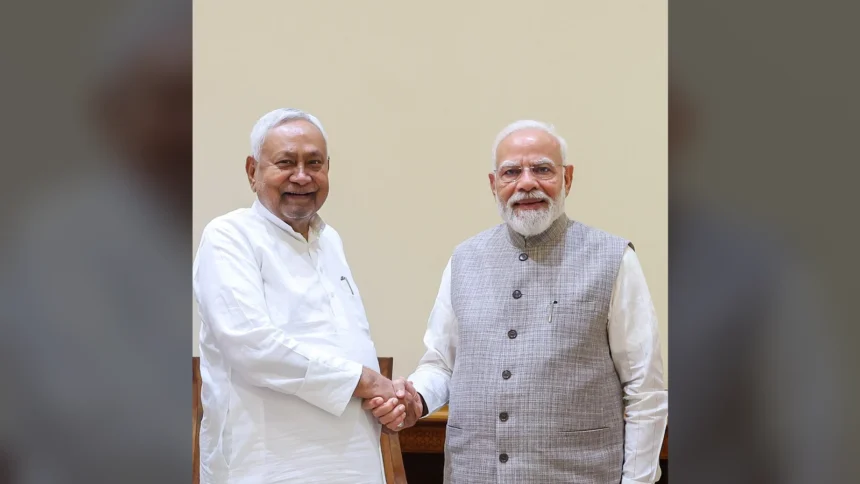
Prime Minister Narendra Modi on Friday evening inaugurated the first Shanghai Cooperation Organisation (SCO) Civilisational Dialogue Forum at the historic Purana Qila in New Delhi, pitching shared culture and heritage as a bridge between nations at a time when much of the world is preoccupied with war and instability. The three-day forum, which runs from November 20 to 22, brings together scholars, historians, academics and cultural representatives from SCO member countries, observers and dialogue partners.
Addressing the gathering, Modi said cultural connections were the strongest guarantee of global peace, and argued that civilisational dialogue could help shape global thinking beyond narrow geopolitical boundaries. The forum, he said, should not remain a ceremonial event but evolve into a meaningful platform capable of giving direction to the international community.
What happened at Purana Qila
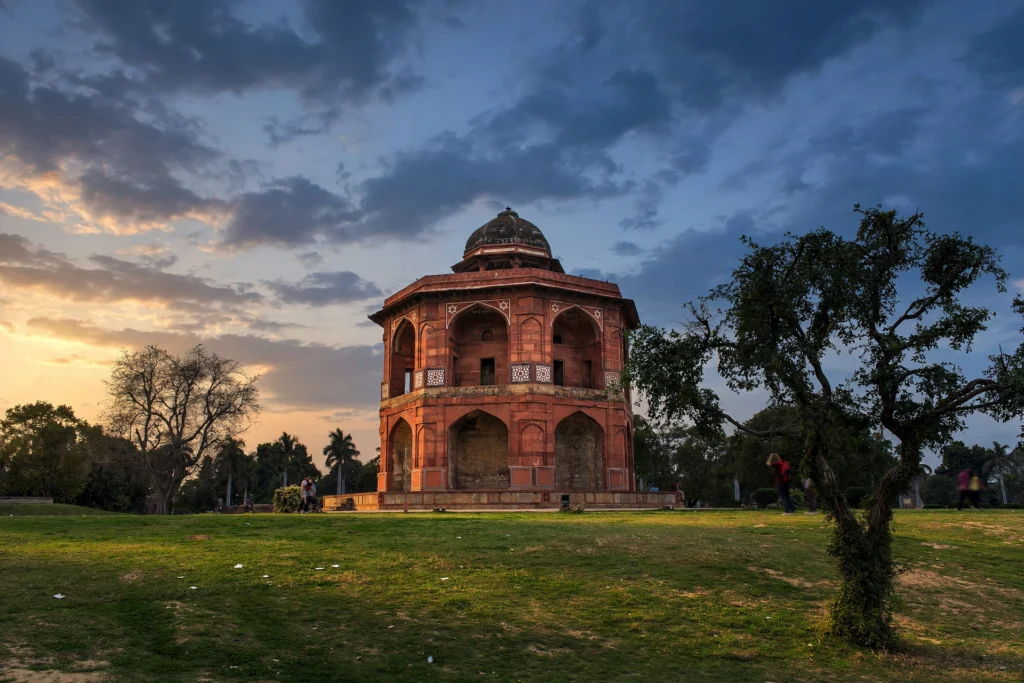
Modi inaugurated the forum at around 5:30 pm on Friday at the 16th-century fort, which scholars identify with the ancient city of Indraprastha from the Mahabharata. The event is being hosted jointly by the Ministry of Culture and the Ministry of External Affairs.
Before the ceremony, the Prime Minister visited an exhibition titled Astitva, showcasing more than 3,000 years of civilisational history at the site, and the Mahabharata scroll pavilion Anant, which displays a rare 18th-century illustrated scroll of the epic. The inaugural programme featured a cultural presentation called Civilisations in Conversation, combining music, dance, visual storytelling and narration.
Delegates from SCO member countries are attending the forum, including Pakistan minister Musadik Malik, according to reports from the event. Sessions over Saturday and Sunday will explore the interconnected heritage of countries across the Eurasian region, with discussions on cultural exchanges, joint preservation of ancient texts and collaborative research programmes.
A 3,000-year-old backdrop
The choice of venue was deliberate. Purana Qila is one of Delhi’s oldest sites, and a new archaeological experience pavilion there will open to visitors from Monday, showcasing discoveries from a live excavation trench that goes 6.5 metres down through eight layers of history, from the Mauryan period to the Mughal era.
Modi also pointed to the role of technology in keeping heritage alive. He said 21st-century technology had created new possibilities for cultural connectivity, and noted that thousands of years of priceless heritage are preserved in India’s museums, libraries and archives, which technology can now help pass on to the next generation.
Why it matters
The forum is the first of its kind under the SCO, a grouping better known for security and economic cooperation than for culture. By placing civilisation at the centre, India is testing whether shared heritage can do work that formal diplomacy sometimes cannot: keeping channels open between countries that disagree sharply on politics, trade and borders.
That matters because the SCO’s members include rivals as well as partners, and the presence of a Pakistani minister at a Delhi forum hosted by India is itself a small but visible signal. Culture is low-stakes ground where conversation can continue even when harder negotiations stall, and New Delhi is clearly hoping the format becomes a regular fixture rather than a one-off event.
There is also a domestic angle. The forum puts Delhi’s deep history on display for an international audience, and the Purana Qila pavilion opening on Monday gives the public a direct way to see what the speeches were about. For readers, the practical takeaway is simple: a site many Delhi residents pass without a second thought is now the stage for a conversation about how civilisations talk to each other.
What happens next
Forum sessions continue through Saturday and Sunday, November 21 and 22, with scholars and cultural representatives discussing heritage preservation, ancient texts and cross-cultural research. The archaeological experience pavilion at Purana Qila opens to visitors from Monday, November 23.
Modi closed his inaugural address by invoking the Vedic call to walk together, converse together and achieve harmony of thoughts, and extended best wishes for productive deliberations over the next two days. Whether the forum becomes a lasting SCO institution will depend on what the delegates carry home from Delhi this weekend.
FAQs
What is the SCO Civilisational Dialogue Forum?
It is a first-of-its-kind forum under the Shanghai Cooperation Organisation, focused on shared civilisational heritage, cultural exchange and people-to-people ties among member countries, observers and dialogue partners.
When and where is it being held?
The forum is being held at Purana Qila in New Delhi from November 20 to 22, 2026, hosted by the Ministry of Culture and the Ministry of External Affairs.
What did PM Modi say at the inauguration?
Modi said cultural connections are the strongest guarantee of global peace and called for civilisational dialogue to shape global thinking, adding that the forum should become a meaningful platform rather than a ceremonial event.
Can the public visit the Purana Qila exhibition?
Yes. The archaeological experience pavilion at Purana Qila, showcasing nearly 3,000 years of Delhi’s history, opens to visitors from Monday, November 23.
Which countries are taking part?
Delegates from SCO member countries, observers and dialogue partners are attending, including scholars, historians and cultural representatives. Pakistan minister Musadik Malik is among the attendees.
The forum continues through the weekend, and its sessions will show whether a conversation about shared heritage can become a regular part of how the region’s countries engage with each other.