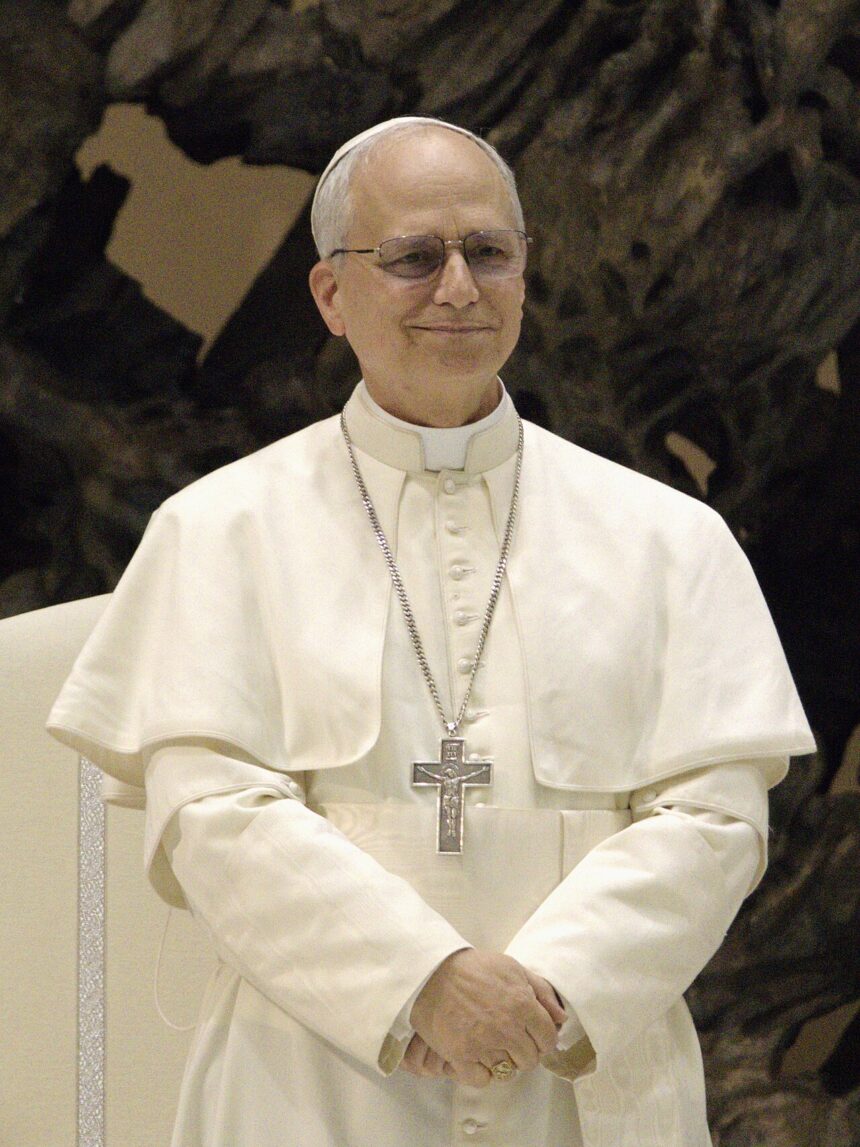
Vatican City woke up to startling news on Wednesday. Pope Leo XIV, the 71-year-old American pontiff who has led the Catholic Church for just over a year, has been diagnosed with lung cancer, the Vatican announced after surgeons removed part of his right lung in an operation at Rome’s Gemelli Hospital.
According to a medical bulletin released by the Holy See on Tuesday evening, tissue tests conducted during the surgery confirmed lung adenocarcinoma, the most common form of lung cancer. Doctors had suspected the diagnosis from preoperative examinations, and the operation confirmed it.
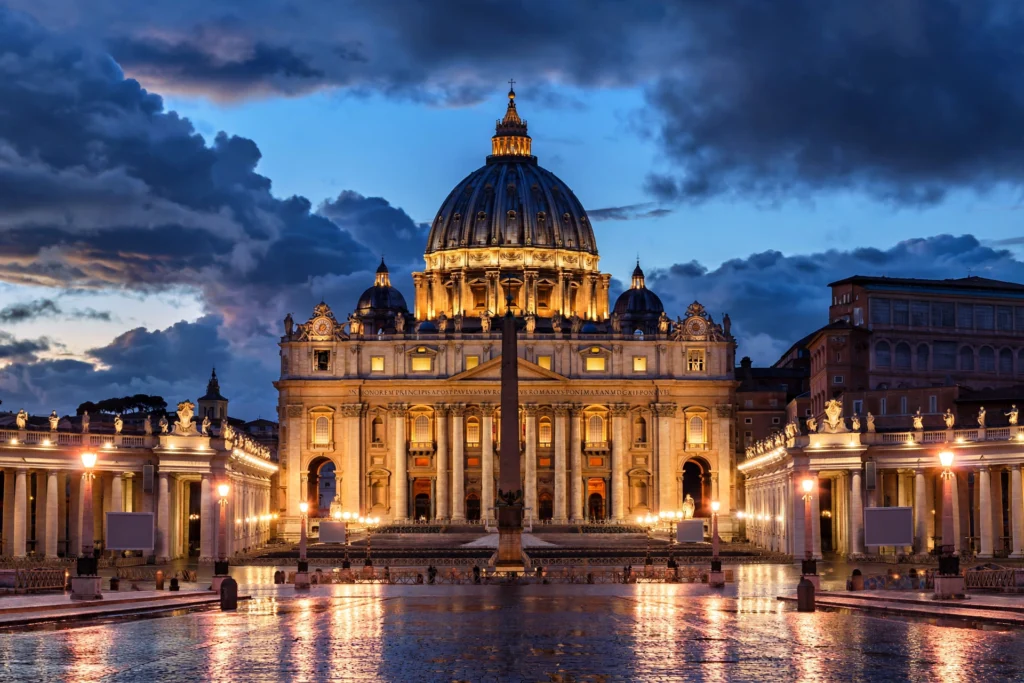
The pontiff himself had revealed the discovery of a small, localised lung nodule during his Sunday Angelus prayer, telling thousands gathered in St Peter’s Square that doctors believed it was best to intervene. He arrived at the hospital on Tuesday afternoon, waving to well-wishers before being admitted.
A successful operation, resting in hospital
The surgery, performed by a team led by the hospital’s chief thoracic surgeon Dr. Stefano Margaritora, lasted about 90 minutes. The Vatican said the lower lobe of the pope’s right lung was removed using a video-assisted technique, with the aim of eliminating all cancerous tissue.
“The surgery was successful, and there were no complications,” the medical statement said, adding that the pontiff later returned to his hospital room and was resting. The 71-year-old spent roughly three hours in the operating theatre in total.
The Vatican press office described the removal as “radical”, an indication that doctors removed all suspect tissue in the hope of wiping out any lingering traces of the cancer. Lymph nodes were also taken for testing, though results on whether the disease has spread were not immediately announced.
What doctors say about the diagnosis
Medical experts cautioned that the diagnosis alone does not reveal how serious the case is. The critical question now is the stage of the cancer: its size, whether it is confined to one nodule, and whether lymph nodes are involved.
Dr. Stephen Liu, a lung cancer specialist at Georgetown University, explained that if the tumour is small and lymph nodes are clear, surgery alone could be curative. If tests reveal wider involvement, further treatment such as chemotherapy, immunotherapy, or targeted therapy may follow. The Vatican said doctors were not discussing chemotherapy or other therapies for now, pending further test results.
Notably, the pontiff has been unusually open about his health. He is the first pope to have a major health issue publicly disclosed during his papacy in this manner, and he chose to tell the faithful himself before the operation rather than let speculation grow.
A papacy tested early
Pope Leo XIV, elected as the first American-born pontiff, is just 17 months into his papacy. His leadership has been watched closely for its blend of continuity and reform, and this health setback arrives at a moment when his schedule was packed with audiences, diplomatic meetings, and preparations for upcoming church events.
The Vatican cancelled all of the pope’s audiences through October 20 earlier this week, clearing his calendar for recovery. Pilgrims and tourists continued to gather near the Gemelli Hospital on Tuesday, leaving flowers and messages outside the gates.
Reaction from across the world
Messages of support began pouring in within hours of the Vatican’s announcement. World leaders, church officials, and Catholic communities across continents expressed their wishes for the pontiff’s recovery. In Rome, crowds gathered in St Peter’s Square for an impromptu prayer vigil on Tuesday night.
For India’s Catholic community, one of the largest in Asia, the news carried particular weight. Churches in several states announced special prayers for the pope’s health, reflecting the deep connection Indian Catholics feel to the papacy.
What happens next
For now, the pope remains under observation at the Gemelli Hospital, the same facility that has treated popes for decades. A further medical bulletin is expected once the lymph node results and other tests are complete. The Vatican has said it will keep the faithful informed as information becomes available.
If recovery goes as hoped, the pontiff could resume a light schedule in the coming weeks, though doctors will likely advise caution. The coming days will be decisive: the test results will determine whether surgery alone was enough or whether the pope faces a longer course of treatment.
Millions around the world are watching and waiting, united in hoping the head of the Catholic Church pulls through this latest challenge.
FAQs
What type of cancer has Pope Leo XIV been diagnosed with?
The Vatican confirmed he has lung adenocarcinoma, the most common form of lung cancer, after tissue tests during his surgery.
What surgery did the pope undergo?
Surgeons at Rome’s Gemelli Hospital removed the lower lobe of his right lung using a video-assisted technique. The procedure lasted about 90 minutes with no complications.
How is Pope Leo XIV doing now?
The Vatican said the surgery was successful and the 71-year-old pontiff is resting in his hospital room at the Gemelli Hospital.
Will the pope need chemotherapy?
Not necessarily. Doctors said it is too early to discuss further treatment. The decision depends on test results, including whether the cancer has spread to lymph nodes.
How did the nodule get discovered?
The pope himself revealed that a small, localised nodule was found during routine medical examinations, and he disclosed it publicly during his Sunday Angelus prayer.