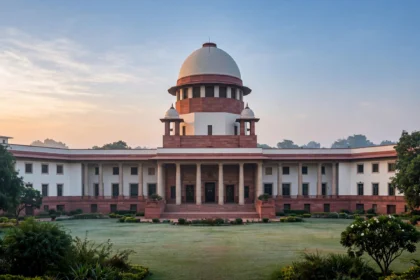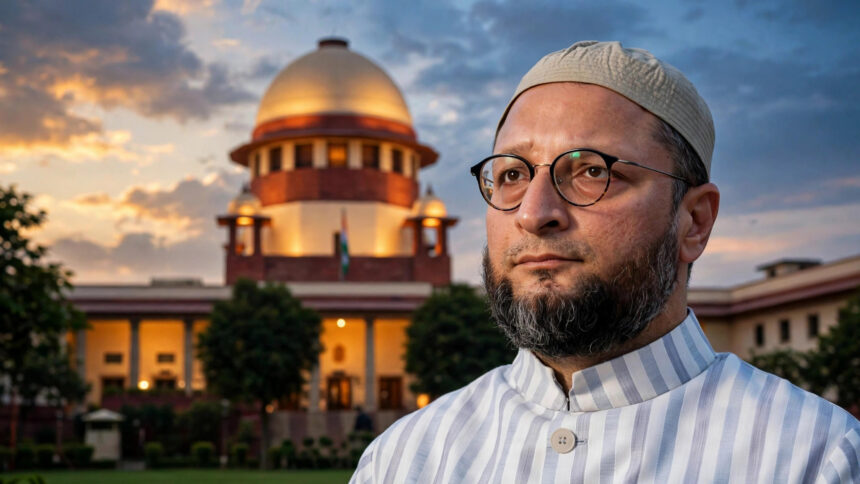
The fight over India’s voter rolls reached the country’s highest court again on Wednesday, as AIMIM president Asaduddin Owaisi moved the Supreme Court challenging the way the Election Commission is conducting its Special Intensive Revision (SIR) of electoral rolls. The Hyderabad MP’s petition joins a growing pile of Opposition pleas alleging that the revision exercise is stripping eligible voters of their franchise under the cover of procedure.
- What the petition challenges
- Owaisi’s sharper demands
- A wider Opposition offensive
- What happens next
- Frequently asked questions
- What is the Special Intensive Revision (SIR) of voter rolls?
- Why has Asaduddin Owaisi challenged it in the Supreme Court?
- Who else has approached the Supreme Court over the SIR?
- What has the Election Commission said in its defence?
Owaisi, who has been one of the loudest critics of the SIR exercise, argued that the manner in which the revision is being carried out raises serious questions about fairness and transparency. His move adds fresh momentum to an agitation that has already seen Congress leaders Rahul Gandhi and Mallikarjun Kharge approach the apex court earlier this week, alleging procedural irregularities and demanding an independent audit of voter databases and deletions.
What the petition challenges
The Opposition’s case rests on specific, technical objections rather than a blanket attack on cleaning up voter lists. Among the central complaints:
- The one-man decision question: Petitioners have questioned whether the Chief Election Commissioner exercised the Commission’s collective powers without the knowledge or concurrence of the other Election Commissioners. They have asked the court to summon files, minutes, notings and objections relating to the decision to undertake the nationwide SIR, arguing that the Election Commission must function as a multi-member constitutional body under Article 324 of the Constitution.
- The Form 6 change: The online Form 6 on the ECINET platform was modified to require a declaration about the applicant or their relatives figuring in an earlier SIR electoral roll. The plea argues this additional requirement was introduced without a corresponding amendment to the applicable rules, placing an extra burden on eligible voters, particularly first-time voters.
- Bulk deletions via Form 7: The plea flags alleged bulk filing of Form 7 objections seeking deletion of names from the rolls, alongside concerns that the exercise has disproportionately targeted particular communities and women. These allegations are yet to be adjudicated.
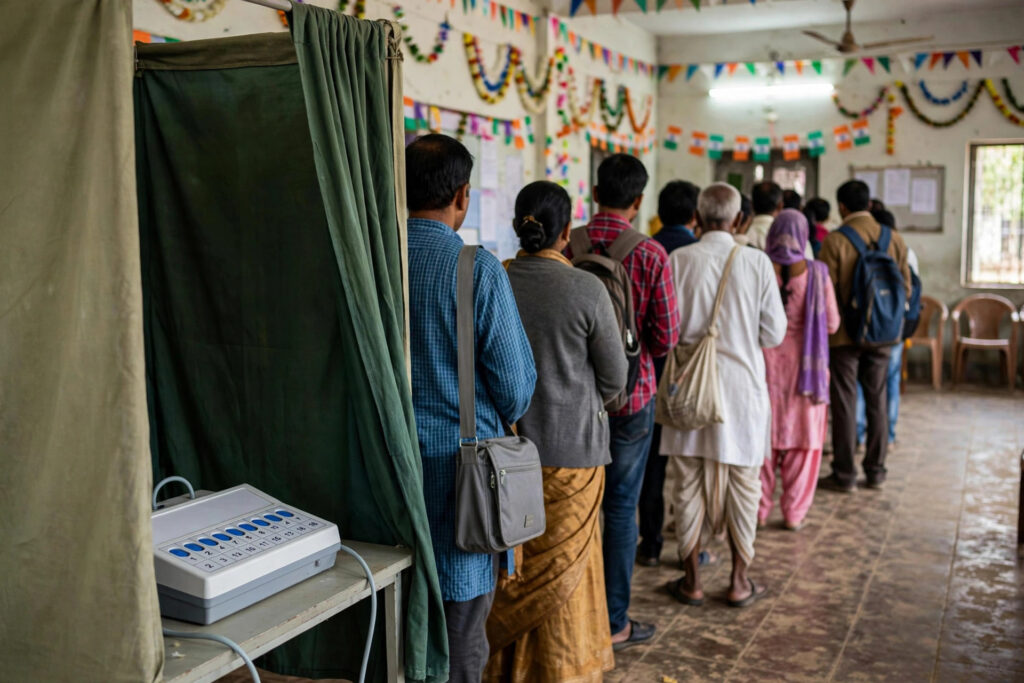
The petitioners have also sought an independent technical audit of the ECINET and ERONET databases, publication of booth-wise details of deleted electors with reasons for each deletion, and safeguards to ensure that no eligible voter is removed without notice and a reasonable opportunity to be heard.
Owaisi’s sharper demands
Owaisi has gone further than his Opposition colleagues in his public stance. He has repeatedly demanded the immediate discontinuation of the SIR exercise and called for the repeal of the law governing the appointment of Election Commissioners, arguing that the legal immunity granted to the CEC and Election Commissioners undermines the credibility of the poll body.
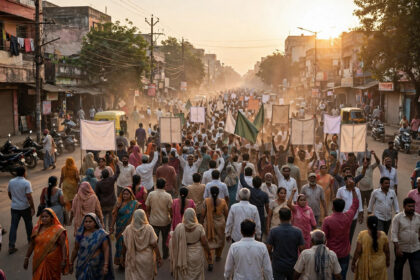
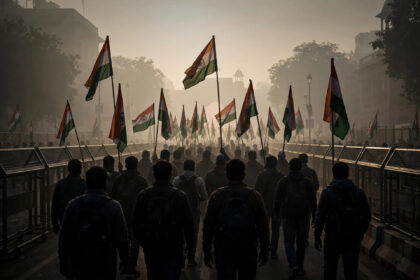
Defending the ongoing street protests against the exercise, the AIMIM chief invoked the court’s own record, saying protesting is a fundamental right and that people will and should protest. His comments came a day after three Cockroach Janata Party activists were arrested in Delhi for entering Jantar Mantar, which has been denotified as a designated protest site.
A wider Opposition offensive
Owaisi’s petition landed amid a coordinated Opposition push. On the same day, the Supreme Court agreed to look into the case of Delhi voters whose names were deleted under the SIR and who are now being asked to reapply as fresh applicants. Congress president Kharge sharpened the attack, writing that the government had moved from “vote theft” to “theft of the right to protest”, and accusing the BJP of authoritarianism over the Jantar Mantar restrictions. Actor Prakash Raj also weighed in, slamming the arrest of CJP leaders Saurav Das and Ashutosh Ranka, who were remanded to five days of judicial custody on Wednesday, and demanding the SIR be scrapped.
The Election Commission, for its part, has maintained that reported differences among commissioners were part of the deliberative process and that its decisions on the SIR were unanimous. The Commission has consistently defended the revision as a routine exercise to clean up duplicate and ineligible entries.
What happens next
With multiple petitions now before the apex court, the coming hearings will decide whether the SIR continues as it is or faces a judicial reset. If the court agrees to examine the official records, as the petitioners want, the Commission will have to open up the files and minutes it has so far treated as internal deliberations. For millions of voters whose names hang in the balance, that is no small thing.
Frequently asked questions
What is the Special Intensive Revision (SIR) of voter rolls?
The SIR is a nationwide exercise by the Election Commission to revise electoral rolls, officially aimed at removing duplicate, shifted or ineligible entries and updating voter details across the country.
Why has Asaduddin Owaisi challenged it in the Supreme Court?
Owaisi argues the exercise is being conducted in a way that risks mass disenfranchisement. His petition, along with earlier Opposition pleas, alleges procedural irregularities, extra requirements for voters without rule changes, and bulk deletions through Form 7 objections.
Who else has approached the Supreme Court over the SIR?
Earlier this week, Rahul Gandhi, Mallikarjun Kharge and other Opposition leaders filed petitions seeking an independent audit of voter databases and deletions, and a committee headed by a retired Supreme Court judge to examine the exercise and the technical systems behind the rolls and EVMs.
What has the Election Commission said in its defence?
The Commission has said that reported differences among its members were part of the deliberative process and that decisions on the SIR were unanimous. It maintains the revision is a legitimate cleanup of the rolls.
India’s democracy runs on the quiet act of a name on a list. Wednesday’s petitions are a reminder that when that list is rewritten, every entry deserves a hearing first.