If your next holiday looks nothing like your last one, you are not alone. Skyscanner has just released its flagship Travel Trends 2027 report, and it paints a vivid picture of how Indian travellers are changing the way they plan, book and experience trips. The headline finding: Indian wanderlust is not slowing down, but the motivations behind it are shifting fast.
The report, built on Skyscanner’s proprietary flight search data and a survey of more than 2,000 Indian travellers, says 58 per cent of respondents plan to fly overseas more often in 2027. At the same time, 56 per cent expect to spend more on flights and 44 per cent are setting aside bigger budgets for premium stays. The twist is that they are spending far more deliberately, chasing experiences rather than simply destinations.
Neel Ghose, Skyscanner India’s travel trends and destinations expert, says Indian travellers are entering 2027 with a stronger appetite to explore but with more considered thinking about how they spend their time and money, whether that means switching off, staying active or hunting for better value.
Gymcations: fitness goes on holiday
The most striking trend is the rise of the gymcation. Holidays are no longer an excuse to pause the fitness routine. A full 91 per cent of Indian travellers say they are likely to choose a hotel stay that offers nutrition-focused, performance-style breakfast options, and 53 per cent actively compare the standard of a property’s fitness facilities before booking.
Hotels have clearly noticed. Gym quality, protein-rich breakfast menus and recovery-friendly amenities are fast becoming booking criteria alongside location and price. The gymcation is not about turning a holiday into a boot camp; it is about travellers refusing to sacrifice a lifestyle habit they have worked hard to build just because they are away from home.
Signal severance: the digital detox trip
At the opposite end of the spectrum, travellers are craving disconnection. Skyscanner calls it signal severance, and the numbers suggest it is more than a buzzword. Around 75 per cent of respondents say they feel more connected to nature when they disconnect, and 73 per cent feel more connected to themselves.
Search interest backs this up. Quiet, off-grid escapes are surging on the platform, with Pokhara in Nepal up 166 per cent year on year, Agatti in Lakshadweep up 157 per cent, and Phu Quoc in Vietnam up 133 per cent. Two out of three Indian travellers now actively want a break from scrolling, messages and constant notifications, a trend driven strongly by Gen Z but spreading across age groups.

Currency chasers and value-first trips
Indian travellers are also becoming sharper about money. The report finds that 69 per cent of respondents often or always check a destination’s currency strength before booking, and 67 per cent have changed or considered changing a destination after finding better purchasing power elsewhere. Among Gen Z, that figure jumps to 77 per cent.
The hottest searches reflect this value hunt. Bishkek in Kyrgyzstan tops Skyscanner’s trending list with a 748 per cent search increase, followed by Rupsi in Assam at 502 per cent and Okinawa in Japan at 279 per cent. Meanwhile, the biggest airfare drops point to bargains in Jaisalmer (down 43 per cent), Tashkent (down 30 per cent) and Kozhikode (down 29 per cent).
New rituals: pilgra-merch, sten dos and grand odysseys
Beyond the big three, the report flags several cultural shifts worth watching:
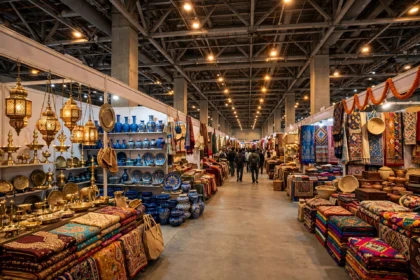
- Pilgra-merch: Souvenirs have turned into status acquisitions. 80 per cent of Indian travellers have journeyed to a specific town or boutique to buy something available nowhere else, and nearly half would fly three to six hours purely for an exclusive purchase.
- Sten Do Surge: Traditional stag and hen parties are giving way to joint, co-ed pre-wedding trips, preferred by 73 per cent of travellers for fun, togetherness and simpler logistics.
- Grand Odysseys: History and mythology are steering itineraries, with 89 per cent having planned a trip inspired by historical events, architecture or legends.
- Sound Bound: Music travel is moving beyond stadium concerts, with travellers seeking carnivals and acoustic performances in dramatic natural settings such as caves and volcanic basins.
AI and social media are planning the trip
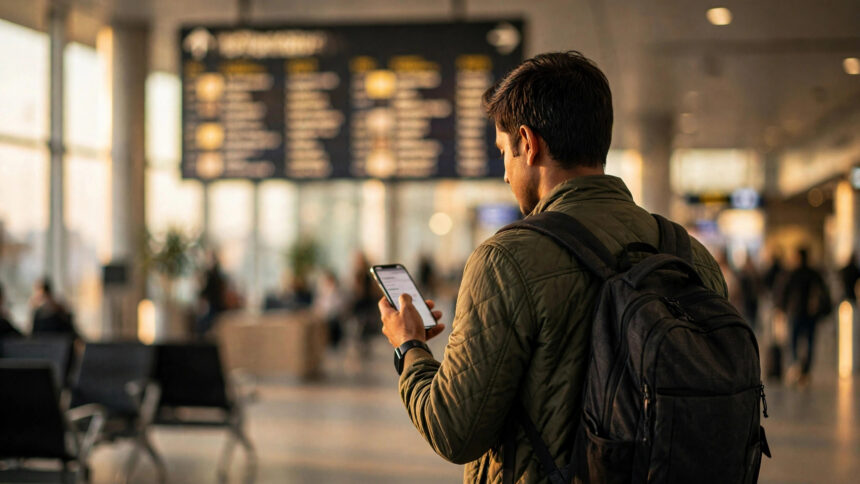
Technology sits at the centre of all this. According to the report, 87 per cent of Indian travellers feel confident using artificial intelligence to plan or book holidays. More than half use AI for destination research, 50 per cent to compare fares and hotel prices, and 38 per cent now let AI agents book directly. Inspiration still comes largely from visual platforms, led by YouTube at 78 per cent and Instagram at 69 per cent.
Put together, the 2027 Indian traveller is a study in contrasts: gym sessions in the morning and a phone switched off by evening, a meticulous eye on exchange rates alongside a willingness to splurge on a once-in-a-lifetime exclusive find. Travel, as the report’s title puts it, is better spent, and Indian travellers seem determined to spend it their way.
Frequently asked questions
What is a gymcation?
A gymcation is a holiday planned around fitness and wellness, where the hotel’s gym, nutrition-focused breakfast options and recovery amenities are key booking criteria rather than afterthoughts.
Which destinations are trending for Indians in 2027?
Skyscanner lists Bishkek (Kyrgyzstan), Rupsi (Assam), Okinawa (Japan), Malvan and Tirana (Albania) among the fastest-growing searches, with the biggest airfare drops in Jaisalmer, Tashkent and Kozhikode.
What does signal severance mean?
It refers to deliberately disconnecting from phones and the internet while travelling. Two-thirds of Indian travellers want such digital detox breaks, favouring off-grid spots like Pokhara and Lakshadweep.
Are Indians spending more on travel in 2027?
Yes. 56 per cent plan to spend more on flights and 44 per cent on premium accommodation, though value for money remains a key deciding factor for most.
Source: Skyscanner Travel Trends 2027: Travel, Better Spent report, based on Skyscanner flight search data and a survey of 2,000+ Indian travellers.