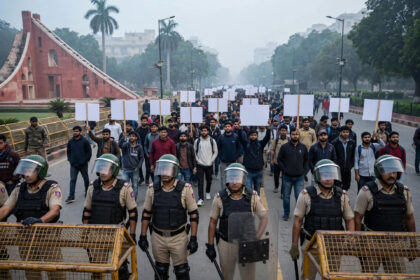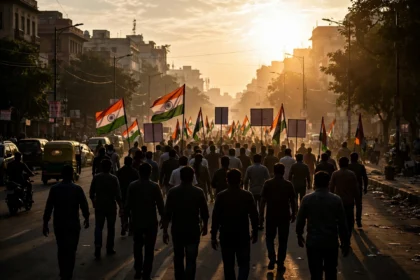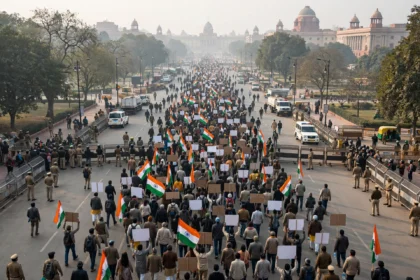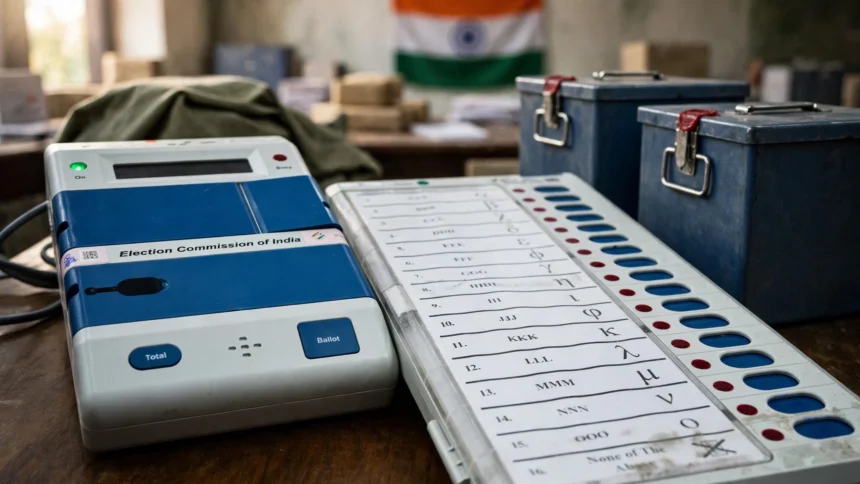
New Delhi: The Election Commission of India on Thursday ordered a Special Summary Revision (SSR) of electoral rolls across 17 states and Union Territories, a significant move that comes at a time when the poll body is facing street protests over its controversial Special Intensive Revision (SIR) exercise.
The order, issued under Section 21 of the Representation of the People Act, 1950, sets January 1, 2027, as the qualifying date. The Commission has written to the chief electoral officers of all 17 states and UTs to begin the revision process.
Which states are covered
The states and Union Territories where the Special Summary Revision will be carried out are Andaman and Nicobar Islands, Assam, Bihar, Chhattisgarh, Goa, Gujarat, Kerala, Lakshadweep, Madhya Pradesh, Manipur, Puducherry, Punjab, Rajasthan, Tamil Nadu, Uttar Pradesh, Uttarakhand and West Bengal.
The Commission clarified that the schedule for states and UTs where the Special Intensive Revision is currently underway or has recently been completed will be announced separately.
Why this matters now
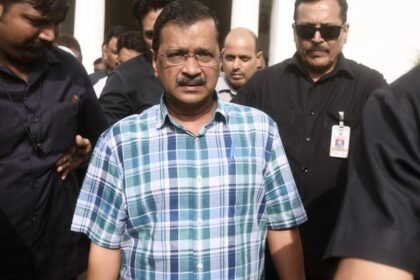
The announcement has landed in the middle of one of the most heated confrontations between the Opposition and the poll panel in recent years. Opposition leaders, led by Congress president Mallikarjun Kharge and Leader of Opposition Rahul Gandhi, have been alleging irregularities in the voter list revision process and demanding the resignation of Chief Election Commissioner Gyanesh Kumar.
The Supreme Court is also hearing multiple petitions connected to the issue, including one filed by 13 Opposition leaders challenging the SIR exercise and another on the crackdown on protests in the capital. On Thursday, the court sent notices to the Election Commission and the poll commissioners on the Opposition’s plea seeking a probe into alleged irregularities.
The Commission, however, has framed the SSR as routine voter list housekeeping. The exercise is aimed at enrolling eligible voters, particularly young and first-time electors, correcting entries in the rolls and improving the overall accuracy of voter lists.
Elections on the horizon
The timing of the revision is closely watched because several states covered under the order are heading to the polls next year. The term of the 403-member Uttar Pradesh Assembly ends on May 22, 2027, while the terms of the 60-member Manipur, 40-member Goa, 117-member Punjab and 70-member Uttarakhand assemblies end on different dates in March 2027.
Under the Representation of the People Act, the Commission can hold polls earlier than six months before a term expires, which means election announcements for these states could begin well before the deadlines. Clean and updated rolls will be the foundation on which those elections are fought.
SSR vs SIR: what is the difference
The distinction matters. A Special Summary Revision is the annual clean-up of electoral rolls that the Commission conducts regularly. Voters can apply for inclusion, deletion or correction, and the rolls are published after claims and objections are heard.
The Special Intensive Revision, by contrast, is a far more sweeping door-to-door verification exercise, and it is the SIR that has triggered the current political storm. Opposition parties have alleged that the SIR has been used to delete the names of genuine voters, while the Commission has defended it as necessary to remove ineligible entries.
By announcing the SSR under a separate statutory provision, the poll body appears to be moving ahead with routine electoral work even as the political fight over the SIR continues in the courts and on the streets.
What voters should know
If you live in one of the 17 states or UTs covered by the order, the coming months are the window to check your name on the voter list. Here is what typically happens during a Special Summary Revision:
- The Commission publishes a draft electoral roll and invites claims and objections.
- New voters who turn 18 on or before the qualifying date of January 1, 2027, can register.
- Voters can apply for corrections in their entries and deletions of names of those who have shifted or passed away.
- The final roll is published after all claims and objections are disposed of.
The full schedule, including dates for the draft publication and the claims window, is expected to be announced by the respective state chief electoral officers in the coming days.
With assembly elections in five states due within the next year and a half, and the Opposition sharpening its attacks on the poll panel, the electoral roll battles of 2026 are only beginning.
FAQs
What is the Special Summary Revision announced by the Election Commission?
It is a routine annual exercise to update electoral rolls, enrolling new and first-time voters, correcting entries and removing ineligible names. The qualifying date for the latest round is January 1, 2027.
Which states are covered under the new order?
17 states and Union Territories, including Uttar Pradesh, West Bengal, Punjab, Bihar, Gujarat, Rajasthan, Kerala, Tamil Nadu, Assam, Madhya Pradesh, Chhattisgarh, Uttarakhand, Goa, Manipur, Puducherry, Andaman and Nicobar Islands and Lakshadweep.
How is SSR different from SIR?
The SSR is a regular yearly clean-up of voter lists through claims and objections. The SIR is a more intensive door-to-door verification drive, which has become politically controversial because of allegations of wrongful deletion of voters.
I am a first-time voter. What should I do?
If you will be 18 or older on January 1, 2027, and live in one of the covered states or UTs, you can apply for registration once the draft roll and claims window are announced by your state’s chief electoral officer.
Will this affect the 2027 assembly elections?
Yes. Assembly polls are due in Uttar Pradesh, Punjab, Uttarakhand, Goa and Manipur next year, and updated electoral rolls will form the basis for those elections.
Stay tuned to Informeia for the latest updates on the voter list revision and the 2027 state elections.