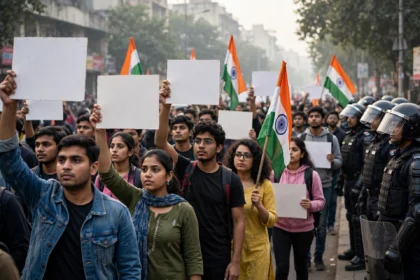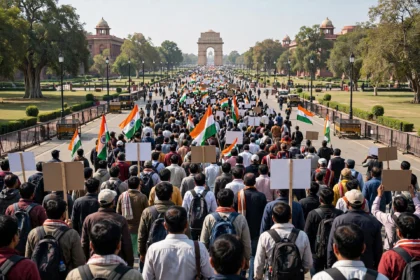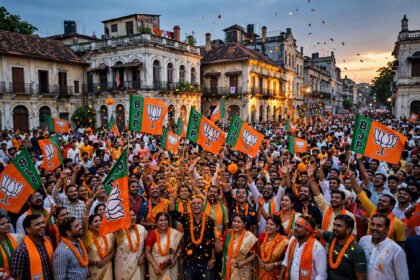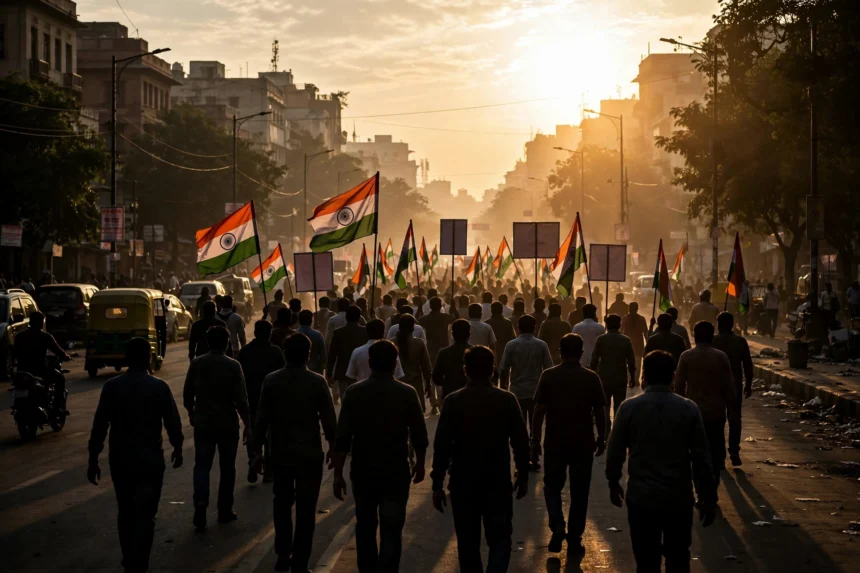
New Delhi woke up on Wednesday to two very different images of the same democracy. Outside Tihar Jail’s Gate No. 1, television cameras caught the morning entry of Cockroach Janata Party leaders Saurav Das and Ashutosh Ranka, sent to five days of judicial custody. And on phones across the country, an X post from Leader of Opposition Rahul Gandhi was doing the rounds, calling that very custody an act of cowardice.
“Waving the Tricolour at Jantar Mantar in a peaceful protest is not a crime. Jailing youth for it is an act of cowardice,” Gandhi wrote. It was his first public statement explicitly backing the CJP, a group the Congress has until now kept at arm’s length.
What happened at Jantar Mantar
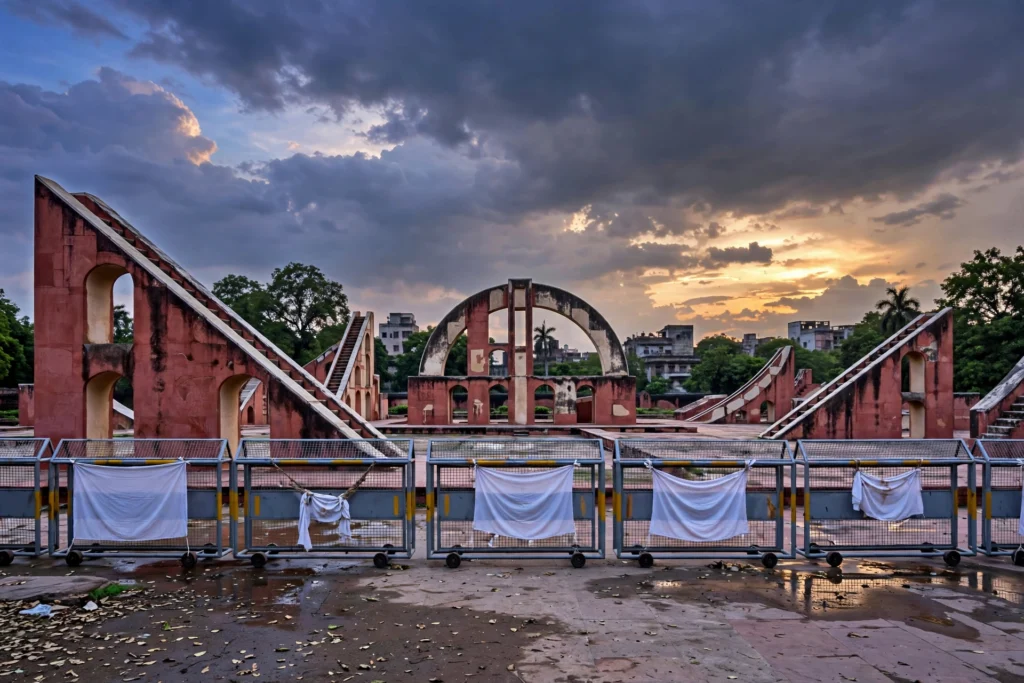
The immediate spark is the Jantar Mantar row. The iconic Delhi protest site has been denotified as a designated protest area, a move the opposition has slammed as an attempt to push dissent out of sight from the capital’s political heart.
According to Delhi Police, Das and Ranka had allegedly violated their peace bonds and trespassed into Jantar Mantar, entering through private premises. A Special Executive Magistrate on Wednesday morning remanded them to five days in judicial custody, after which they were lodged in Tihar.
A third CJP member, Ajinkya Shinde, was bound down for six months on a personal bond and surety of Rs 5,000 to maintain peace and good behaviour. The CJP has argued that shifting demonstrations away from the centre of the capital weakens the visibility of public dissent.
Rahul Gandhi’s sharp words
Gandhi’s post went further than the individual cases. “Students. Youth. Journalists. The INDIA bloc. Different banners, one cause. All protests are one: citizens demanding their constitutional rights,” he wrote, adding, “Jantar Mantar belongs to the people of India. We will reclaim it.”
The significance lies in the shift. At a press conference and at Tuesday’s INDIA bloc meeting, Gandhi had stressed that the ongoing agitations were part of one common struggle and should not be seen as parallel protests. Wednesday’s post turned that line into open, named support for the CJP for the first time.
Congress president Mallikarjun Kharge backed him up with his own post, accusing the BJP of “authoritarianism” and coining a line of his own: “First vote theft, then theft of the right to protest.” Kharge also took aim at Home Minister Amit Shah’s reported description of the 13.3 crore people outside the Special Intensive Revision exercise as “infiltrators”, calling it an insult to Indians.
The INDIA bloc’s next move: a November 1 mega rally
The street story is now running in parallel with a much bigger plan. At Tuesday’s meeting of INDIA bloc leaders, civil society and student representatives at Rahul Gandhi’s residence, the opposition discussed keeping the agitation alive for what it calls the “restoration of democracy”.
Among the proposals on the table: a mock impeachment of Chief Election Commissioner Gyanesh Kumar at Ramlila Maidan, Delhi Metro train rides by MPs to challenge travel restrictions, and protest programmes at the denotified Jantar Mantar. The headline announcement is a mega rally at Delhi’s Ramlila grounds on November 1, with the bloc hoping to mobilise five lakh people.
Speaking to reporters, Gandhi said the resistance would continue no matter what, and held Prime Minister Narendra Modi, Amit Shah and the CEC responsible for the alleged “vote theft”. The meeting was attended by Sonia Gandhi and Mallikarjun Kharge, RJD’s Tejashwi Yadav, SP leaders, Left leaders M A Baby and D Raja, TMC’s Mahua Moitra and student leaders.
The SIR fight moves to court
While the streets heat up, the legal front expanded on Wednesday too. AIMIM chief and Hyderabad MP Asaduddin Owaisi moved the Supreme Court challenging the manner in which the Election Commission’s Special Intensive Revision of electoral rolls is being conducted.
He joins Rahul Gandhi, Mallikarjun Kharge and other opposition leaders who had earlier approached the apex court alleging procedural irregularities. Their petition seeks an independent audit of voter databases and deletions, and a committee headed by a retired Supreme Court judge to examine the revision exercise and the technical systems behind electoral rolls and EVMs.
The plea also questions whether the CEC exercised the Commission’s collective powers without the knowledge of the other Election Commissioners, and raises concerns about changes to Form 6 on the ECINET platform that added a declaration requirement for applicants, which the petitioners say burdens first-time voters.
The BJP hits back
The BJP, meanwhile, has gone on the offensive. Union Home Minister Amit Shah and senior party leaders have stepped out to defend the Election Commission and turn the questions back on the Congress’s own record with electoral institutions.
On the 13 crore deletions figure, BJP leaders have argued that it covers voters who relocated, deceased individuals and duplicate entries. The party has also linked the whole debate to the 2029 general elections, accusing the opposition of building a narrative well ahead of the polls. The opposition’s march to the Election Commission on October 6 has become a major flashpoint in this war of narratives.
- The opposition wants: an independent audit of voter rolls and deletions, restoration of Jantar Mantar as a protest site, and accountability for what it calls vote theft.
- The BJP says: the SIR is a routine cleanup of rolls, the 13 crore number is routine deduplication, and the EC’s independence is being questioned for politics.
- The courts will decide: the Supreme Court petitions on the SIR could set the terms for how the revision proceeds.
- The streets will test: whether the November 1 Ramlila rally can bring five lakh people together as the bloc plans.
FAQs
Why were the CJP leaders sent to jail?
Delhi Police say Saurav Das and Ashutosh Ranka violated their peace bonds and trespassed into Jantar Mantar, which is no longer a designated protest site. A magistrate remanded them to five days of judicial custody on Wednesday morning.
What did Rahul Gandhi say about the arrests?
He called the jailing of young people for peacefully waving the Tricolour “an act of cowardice” and declared that different protests are one cause: citizens demanding their constitutional rights.
What is the INDIA bloc planning next?
A mega rally at Delhi’s Ramlila Maidan on November 1, with a target of five lakh participants, along with proposals like a mock impeachment of the CEC and protest programmes at the denotified Jantar Mantar.
Who has challenged the SIR in court?
AIMIM chief Asaduddin Owaisi moved the Supreme Court on October 14. Earlier, Rahul Gandhi, Mallikarjun Kharge and other opposition leaders had petitioned the court seeking an independent audit of voter databases and deletions.
How has the BJP responded?
Home Minister Amit Shah and other BJP leaders have defended the Election Commission, said the disputed voter deletions are routine cleanup of duplicates, deceased and relocated voters, and accused the opposition of questioning institutions for political gain.
The vote-theft versus routine-cleanup argument is now being fought in three arenas at once: on the streets of Delhi, in the Supreme Court, and on social media. With the November 1 rally on the calendar, this confrontation is only going to get louder.