More than half of Indian women of reproductive age are anaemic, and two in five young children carry the condition too. That is the headline finding of the largest nutrition survey India has run in years, released by the Indian Council of Medical Research (ICMR) on Monday. The numbers are sobering, but most cases are mild, and the burden is lower than the last national survey suggested.
SAMPADA, the Survey for Assessment of Markers of Population Health, Activity, Diet and Anthropometry, was carried out between 2023 and 2025 by the ICMR-National Institute of Nutrition. It covered more than two lakh people from over 81,000 households across 183 districts in 35 states and Union Territories. More than 1.7 lakh blood samples were analysed to estimate haemoglobin levels.
What the survey found
The survey gives the first nationally representative picture of anaemia across the whole life course, from toddlers to older adults:
- Children aged 12 to 59 months: 41.8 per cent anaemic
- Adolescent girls aged 10 to 19: 46.3 per cent anaemic
- Adolescent boys aged 10 to 19: 22.8 per cent anaemic
- Men aged 20 to 59: around 22 per cent anaemic
- Women of reproductive age (15 to 49): around 56 per cent anaemic
- Women aged 60 and above: 55.7 per cent anaemic
- Men aged 60 and above: 44.7 per cent anaemic
The burden is not evenly spread. Among children aged 12 to 59 months, Andhra Pradesh was highest at 57.5 per cent and Kerala lowest at 14.5 per cent. Among children aged 5 to 9, Chhattisgarh was highest at 59.9 per cent and Kerala lowest at 9.8 per cent, against a national figure of 31.3 per cent. The rural-urban gap is small: 56.3 per cent in rural areas against 54.9 per cent in urban areas among women of reproductive age.
Most cases are mild, and severe anaemia is rare
The detail that matters most for public health is severity. Severe anaemia was recorded in less than 2 per cent of people in most age groups. About half of anaemic women, including pregnant and lactating women, adolescent girls and children, had only mild anaemia, and nearly three-fourths of affected men and boys had only mild anaemia.
Mild anaemia can often be caught early through routine screening and corrected before it turns serious. The survey also measured iron status, folate, vitamin B12 and inflammation markers in a sub-sample. Iron deficiency is the main contributor, but it accounts for only about half of the anaemia burden among women, adolescent girls and children. The other half has different causes, which means iron tablets alone will not solve the problem.
Better than the last national picture
Against the National Family Health Survey of 2019-21 (NFHS-5), the new figures are lower across the board. NFHS-5 put anaemia at 57 per cent among women aged 15 to 49 and 59.1 per cent among adolescent girls; SAMPADA puts them at around 56 per cent and 46.3 per cent. For children, NFHS-5 reported 67.1 per cent among those aged 6 to 59 months, against 41.8 per cent among those aged 12 to 59 months in SAMPADA. The child age bands differ slightly, so that comparison is indicative rather than exact, but the direction is the same: the burden has eased. With anaemia data missing from NFHS-6, SAMPADA is the first comprehensive national update in years.
Why it matters
Anaemia rarely makes headlines, yet at this scale it shapes everyday life. Low haemoglobin means less oxygen reaching the body, which shows up as fatigue, poor concentration in school, lower productivity at work and higher risk during pregnancy. With more than half of women in their prime working and childbearing years affected, the cost is lost learning and lost earnings as well as health.
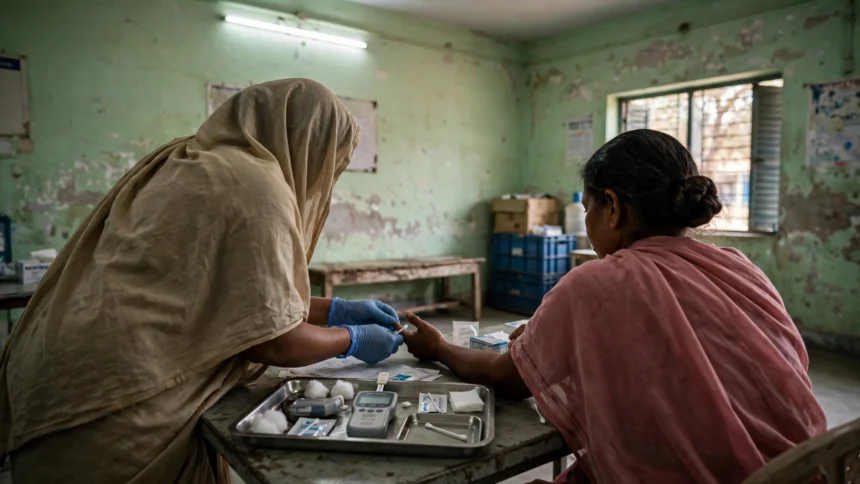
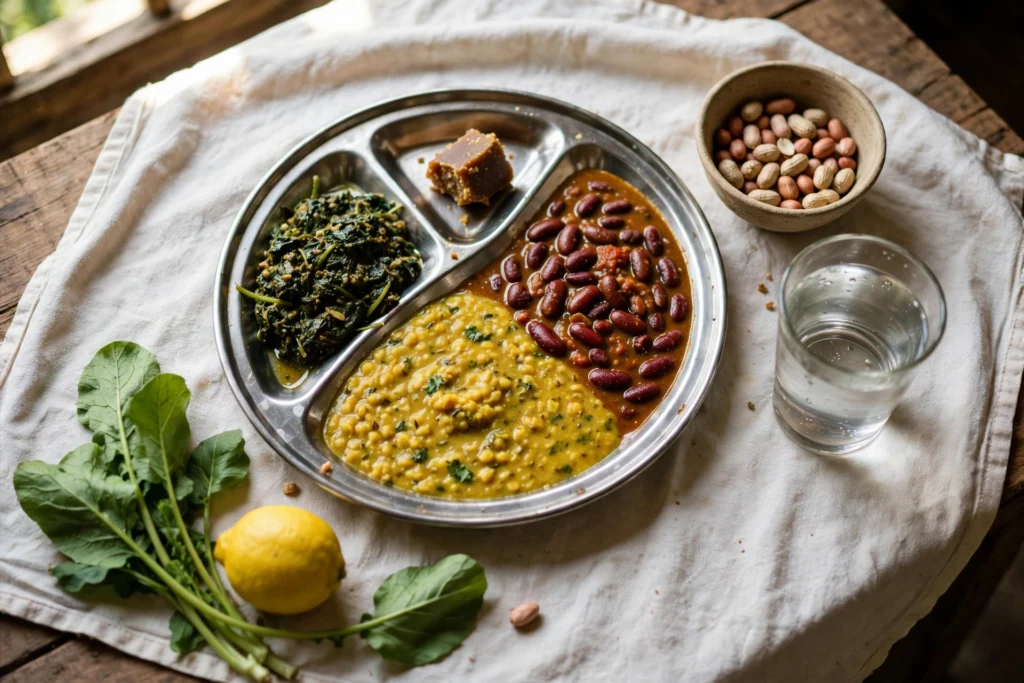
The survey’s real value is that it tells the health system where to aim. Because most cases are mild, the biggest gains may come from simple steps: regular haemoglobin checks, iron and folic acid supplements where needed, deworming, and diets with more iron-rich food. But iron deficiency explains only about half the burden, so a one-pill answer will not work. High-burden states such as Andhra Pradesh and Chhattisgarh need targeted screening drives; the gap with Kerala shows how much room there is to improve. For readers, the takeaway is simple:
anaemia often has no obvious symptoms, so a routine blood test is the only reliable way to know.
What happens next
The data will feed into programmes such as Anaemia Mukt Bharat, with state-level estimates guiding where screening and supplementation are intensified first.
FAQs
What is the SAMPADA survey?
The ICMR-National Institute of Nutrition survey of anaemia and micronutrient deficiencies, conducted between 2023 and 2025 across 183 districts in 35 states and Union Territories.
How many people were covered?
More than two lakh people from over 81,000 households, with more than 1.7 lakh blood samples analysed.
Is anaemia in India getting better?
The new figures are lower than NFHS-5 from 2019-21, especially for adolescent girls and children. But with 56 per cent of women of reproductive age still anaemic, the burden remains very high.
What causes anaemia in India?
Iron deficiency is the main contributor but accounts for only about half of cases. Other causes include folate and vitamin B12 deficiency, infections and inflammation.
India now has its clearest picture yet of a condition that touches every second household. The numbers are still high, but the country now knows where the problem is worst and what it will take to bring it down.