The World Health Organization has put its El Nino response on the highest emergency footing and placed India among the countries facing high or very high health risks. The move, announced through a strategic plan released on November 2, turns a weather story into a health story.
El Nino is a natural warming of surface waters in the central and eastern tropical Pacific Ocean. It shifts rainfall and temperature patterns worldwide, and in India that usually means hotter days, weaker rain and a longer tail of health problems. WHO says the phenomenon does not directly cause disease, but it acts as a risk multiplier, creating the conditions in which illness spreads faster and hits harder.
What WHO has done
WHO has raised its global El Nino response to Grade 3, the highest level in its internal emergency grading system. It commits WHO’s offices worldwide to a coordinated plan running from October 2026 to September 2027.
The plan has four priorities: early detection of outbreaks, prevention, patient care, and coordination of health services. WHO estimates it will need around 35 million US dollars for the first six months, covering October 2026 to March 2027.
It is important to be clear about what Grade 3 is. It is an internal operational decision about how much of WHO’s own machinery to deploy, not the same as a Public Health Emergency of International Concern, the formal legal declaration WHO uses for outbreaks such as pandemics. No such declaration has been made for El Nino.
Why India is on the high-risk list
India features in WHO’s Global Public Health Situation Analysis for El Nino 2026, published on September 5, as a country facing high or very high public health risks. It sits in a South Asian group with Bangladesh, Bhutan, Nepal, Sri Lanka and the Maldives, a region the assessment expects to see drier than normal conditions and above normal heat.
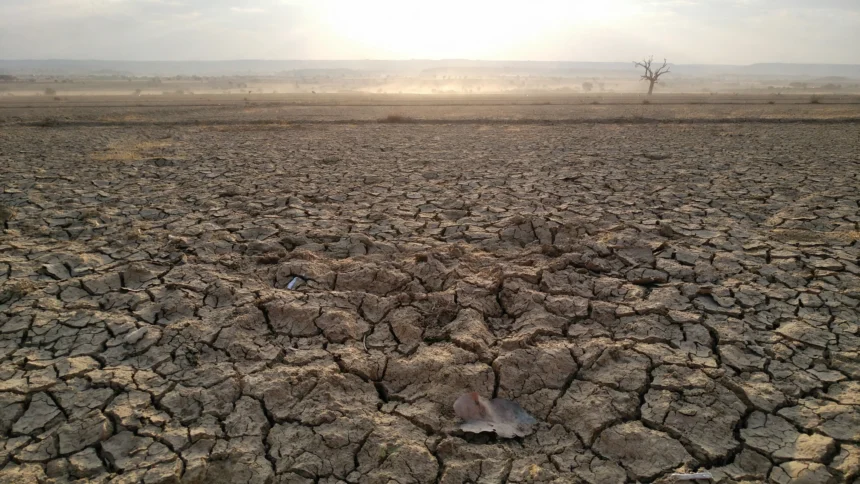
That forecast matches what Indian agencies have already reported. The Ministry of Earth Sciences told Parliament in August 2026 that the India Meteorological Department had forecast below normal rainfall for the 2026 southwest monsoon. When rain falls short, the health effects follow quickly: less water for drinking and sanitation, weaker harvests, and hotter conditions in which disease spreads.
The dangers to watch in India
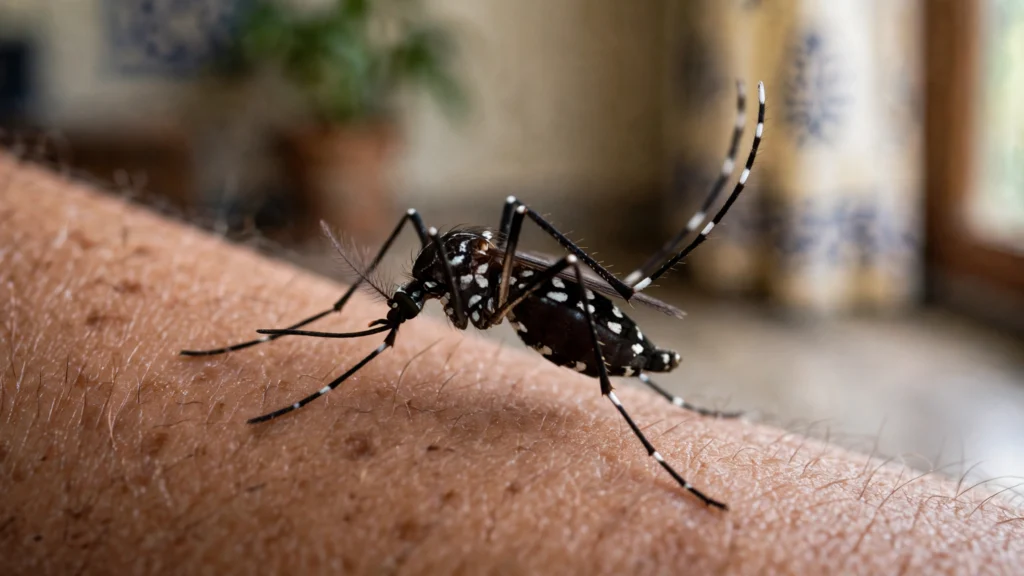
Dengue sits at the top of WHO’s risk list for India. The mosquito-borne infection is rated a high or very high risk for the country, because warmer temperatures and erratic rain expand mosquito breeding and stretch the transmission season.
Leptospirosis, a bacterial infection spread through water contaminated by animal urine, is also rated high or very high risk for India. It typically surfaces after flooding, when people wade through contaminated water. Malaria remains a concern in parts of the Northeast. Extreme heat brings heatstroke and dehydration, most dangerous for outdoor workers, the elderly and people without reliable access to cool shelter and clean water. Water shortages can weaken sanitation, and poor harvests can push food insecurity and malnutrition higher, especially in rural households already close to the edge.
What the plan means on the ground
For India, the WHO plan is mainly about preparation rather than alarm. Surveillance must catch fevers and vector-borne cases early, before they become outbreaks. Hospitals need heat action plans, rehydration supplies and clear guidance for staff during heatwaves. Communities need practical advice on clean water, keeping stored water covered, and when to seek care for a fever that does not break.
Much of this is already part of India’s health programmes. What Grade 3 adds is coordination and urgency, and a reminder that a climate event in the Pacific can show up months later as a crowded fever clinic in an Indian city. The warning is not a prediction that every part of India will face a health emergency. El Nino’s effects vary from place to place, and so does the risk. But the WHO assessment is a clear signal: the coming months deserve closer watching, cleaner water, and quicker action when the first signs of trouble appear.
FAQs
What is El Nino?
El Nino is a natural warming of surface waters in the central and eastern tropical Pacific Ocean. It shifts global weather patterns, often bringing hotter and drier conditions to parts of South Asia, including India.
What does WHO’s Grade 3 response mean?
Grade 3 is WHO’s highest internal emergency response level. It commits the organisation’s headquarters, regional offices and country teams to a coordinated plan, in this case from October 2026 to September 2027, and WHO estimates it needs around 35 million US dollars for the first six months. It is not a Public Health Emergency of International Concern.
Why is India considered high risk?
WHO’s September 2026 assessment places India among countries facing high or very high health risks, with above normal heat and below average rainfall expected in South Asia.
Which diseases are the biggest concern for India?
Dengue and leptospirosis are rated high or very high risk, while malaria remains a concern in parts of the Northeast. Heat-related illness, waterborne infections and malnutrition are also flagged.
India’s health agencies will be watching the winter and summer months closely. For now, the advice is simple: keep water clean and covered, watch for fevers, and take the heat seriously.