That protein powder or herbal capsule you bought last week may be missing something you have a right to know. India’s food safety regulator has pulled up health supplement makers for skipping mandatory label warnings, and this time it is talking about licence cancellations, not just advisories.
FSSAI issued a detailed advisory this week directing food businesses to comply strictly with labelling requirements and warning statements for plant and botanical ingredients or their extracts. The advisory, dated October 15 and released by the regulator’s Regulatory Compliance Division, was publicised widely on Monday and has put the entire supplements industry on notice.
What the advisory actually says
The direction covers Food Business Operators who make or sell nutraceuticals, health supplements, food for special dietary use, food for special medical purposes, and related categories like functional and novel food. According to FSSAI, several companies in these segments are simply not following the mandatory labelling rules prescribed under the 2016 regulations for health supplements and nutraceuticals.
The advisory specifically targets Schedule IV of these regulations, which lists plant and botanical ingredients and their extracts. Many of these carry known side effects or contraindications, which is why the law requires:
- The label must state which part of the plant is used in the product
- Each botanical ingredient must carry its specific disclaimer or cautionary statement
- Warnings must be prominent, legible and clear
- Labels cannot make medicinal claims or suggest the product cures any disease
- Ingredient usage must stay within the permissible limits laid down in the schedules
The consolidated botanical list was prepared in consultation with the Ministry of Ayush, grounding these warnings in traditional medicine knowledge as well as modern safety science.
Licences on the line
What makes this advisory sharper than usual is the enforcement threat attached to it. FSSAI said non-compliance constitutes a violation of Section 23 of the Food Safety and Standards Act, 2006, and will attract stringent action under Section 52 of the Act. In plain terms, companies that ignore the labelling mandates risk suspension or cancellation of their licences, along with penalties.
The regulator has asked all such manufacturers to review their labels and formulations immediately and bring them in line with the law. The message is simple: fix your labels now, or face the consequences later.
Part of a bigger crackdown
The advisory did not arrive in isolation. Over the weekend, FSSAI issued notices to FMCG majors Nestle India and Hindustan Unilever over alleged misleading claims in nutrition products.
Nestle India was served a notice over its Nestle Resource Renal Vanilla Flavour Powder, meant for the dietary management of people with conservatively treated chronic kidney disease. FSSAI found the product required prior approval under the 2022 regulations but was being sold without it, and its label was also missing the mandatory vegetarian or non-vegetarian symbol.
HUL received a notice over Horlicks Mother’s Plus Kesar 400 g, with claims such as “Healthy Birth Weight” on the label and “For baby’s healthy birth weight” in advertisements flagged as potentially misleading. Promotional descriptions on e-commerce platforms were also questioned.
Together, these actions signal that the regulator is done being polite about label discipline in a market where herbal claims sell millions of packs every month.
Why this matters for you
India’s supplements market is booming, and many of these products contain concentrated botanical extracts. A warning statement is not small print for decoration. It tells a pregnant woman, a kidney patient, or someone on medication whether the bottle in their hand is safe for them. When that information is missing, the risk falls entirely on the consumer.
Here is what to check the next time you pick up a supplement:
- Look for the plant part used and the botanical names, not just the brand’s marketing name
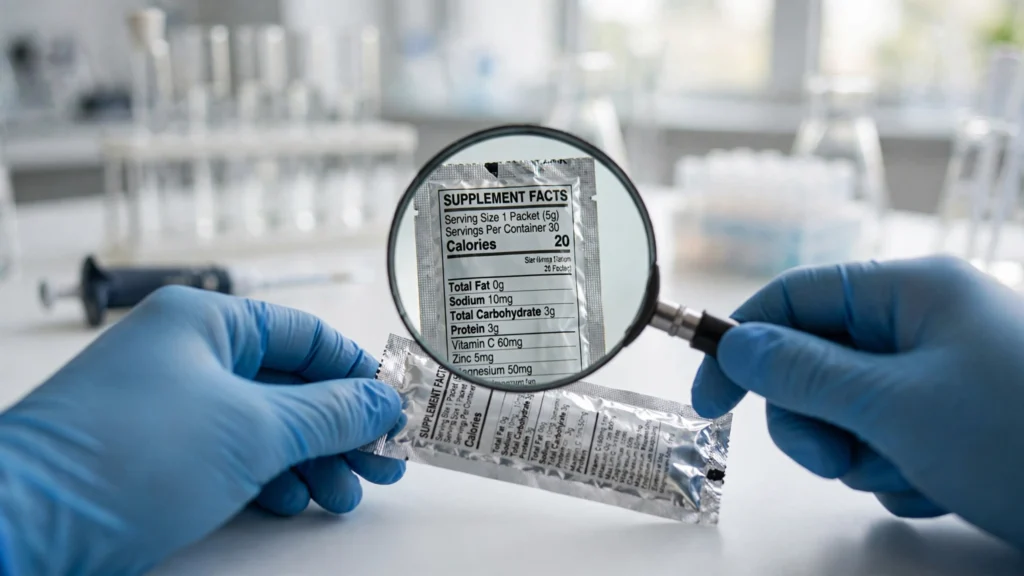
- Read the cautionary statements or warnings section, usually near the supplement facts panel
- Ignore labels that promise to cure a disease; that claim is not allowed
- Check for the veg or non-veg symbol on the label
- When in doubt about a warning, ask your doctor or a pharmacist before continuing use
Frequently asked questions
What did FSSAI’s latest advisory cover?
It directs makers of nutraceuticals, health supplements and related foods to follow mandatory labelling rules and warning statements for plant and botanical ingredients under Schedule IV of the 2016 regulations.
What happens if companies ignore the advisory?
FSSAI has said non-compliance violates the FSS Act, 2006 and can lead to suspension or cancellation of licences and imposition of penalties under the Act.
Why do botanical ingredients need warning statements?
Many plant ingredients and their extracts have physiological effects, side effects or contraindications. The warnings are meant to prevent misuse, especially among vulnerable groups such as pregnant women, children and people with chronic conditions.
Can health supplements claim to cure diseases?
No. The regulations strictly prohibit medicinal claims or any suggestion that a supplement cures a disease. FSSAI is actively cracking down on such claims.
How can I check a product’s label?
Look for the plant part used, cautionary statements, the veg or non-veg symbol, and the absence of disease-cure claims. Persistent doubts can be raised with FSSAI through its consumer complaint channels.
The ball is in the industry’s court. Whether makers clean up their labels or wait for the first licences to be cancelled will decide how this plays out. For consumers, this is a good week to start reading the fine print.