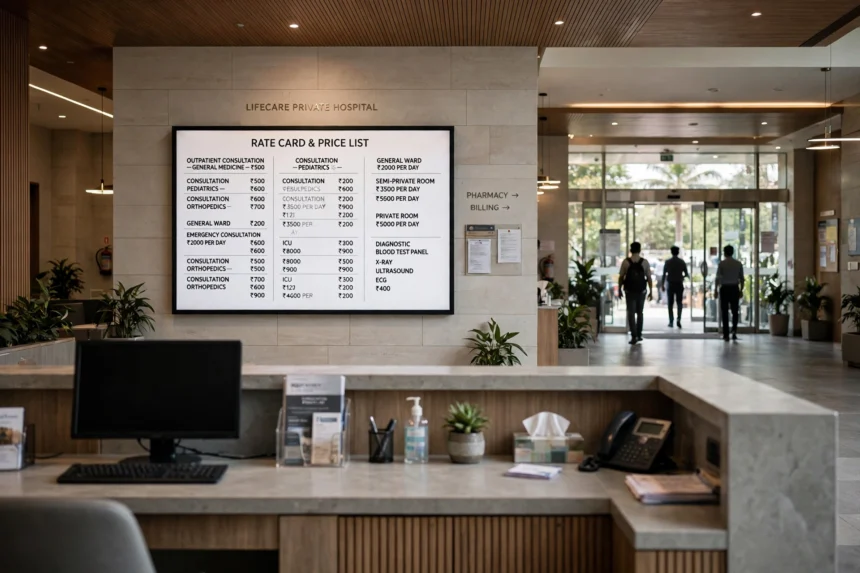
Mumbai woke up to news this morning that could quietly change every hospital visit in Maharashtra. If you have ever stared at a hospital bill and wondered where the numbers came from, the state government now has an answer. In a Government Resolution issued on Friday, Maharashtra has made it mandatory for private hospitals, clinics and nursing homes to prominently display the rates of all medical services, in both Marathi and English, right where every visitor can see them.
The order, announced by Health Minister Prakash Abitkar, follows guidelines sent by the Central government to all states. It says the rate card must sit at a conspicuous spot such as the front desk or reception area, and must be updated the moment prices change. Hospitals have been told to keep bills absolutely transparent, so no hidden cost slips past a patient or their family.
This is not a suggestion. It is a rule backed by consequences. District civil surgeons and local health officers across the state have been instructed to enforce it, with administrative and legal action promised against institutions that fail to comply.
What the new rule actually requires
The resolution is specific. The rates of medical services and facilities, as specified under Schedule III of the Maharashtra Nursing Homes Registration Rules, 2021, have to be displayed so that everyone visiting the hospital can see them. The essentials:
- Two languages, no excuses: the complete price list must appear in Marathi and English, at the entrance and other clearly visible locations.
- Live updates: whenever a service charge is revised, a fresh price list must be put up immediately, not weeks later.
- Transparent billing: final bills must match the displayed rates, with no unexplained additions. The directive explicitly targets overcharging and hidden costs.
- Special rates for international patients: hospitals must display specific package rates applicable to foreign patients, a step aimed at curbing billing disputes in medical tourism.
- Enforcement on the ground: civil surgeons and local health officers will monitor compliance in their jurisdictions.
Why this move matters to patients
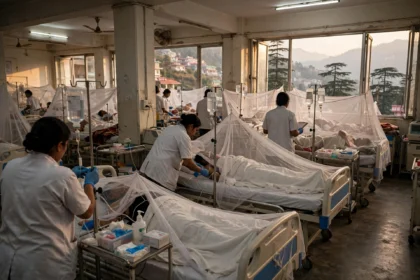
For years, patient groups in Maharashtra have flagged the same problem: opaque billing. A family admits a relative in an emergency, signs a pile of forms, and only discovers the total at discharge, when the bill can carry charges they never agreed to and cannot decode. Stories of sudden surcharges and bills that swell overnight have fuelled court cases and public anger across the state.
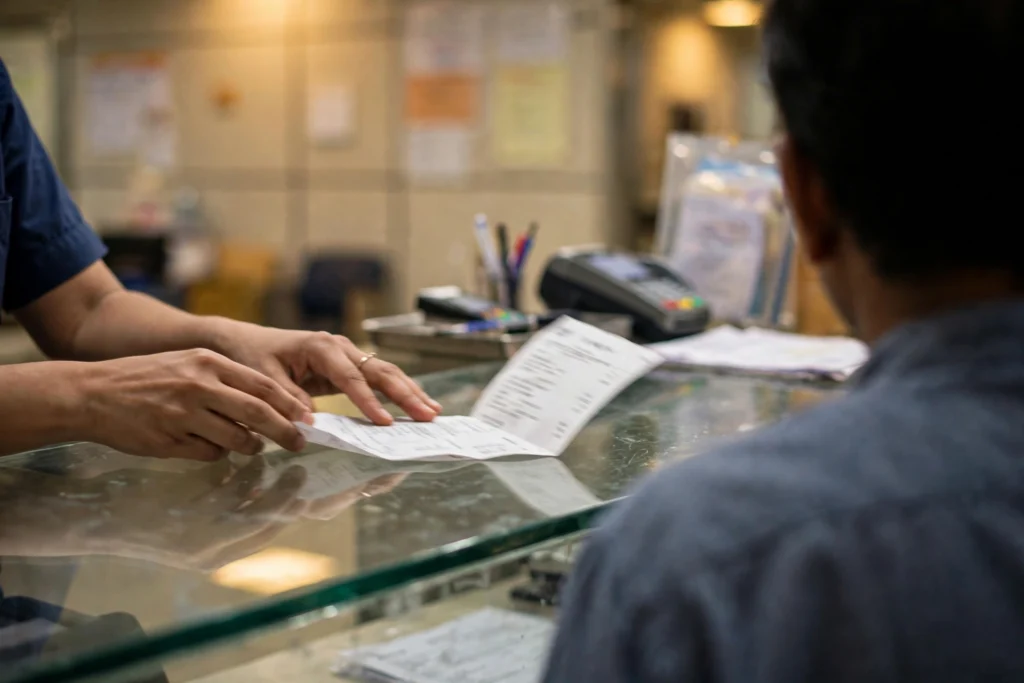
A visible rate card attacks this problem at its root. When the price of a consultation, an X-ray or a night in the ICU is posted at the entrance, patients walk in with information rather than blind trust. They can ask questions before treatment begins, plan their finances, and raise the alarm if the final bill does not match what was promised.
Part of a national push
Maharashtra is the latest state to move in a direction the Centre has been pushing all week. The Union Health Secretary recently wrote to the chief secretaries of all states and union territories, urging them to ensure clinical establishments display service charges prominently under the Clinical Establishments Act, 2010 and its 2012 rules.
The Centre’s letter also carried a pointed message about international patients: states have been asked to encourage the display of package rates for foreigners arriving on Medical or Ayush Visas, to reduce billing grievances and protect India’s reputation as a medical tourism destination.
What happens if hospitals ignore it
The directive is a formal Government Resolution, and the public health department has put the onus on district authorities to make it stick.
That said, the real test begins now. Maharashtra has lakhs of small clinics and nursing homes alongside its big hospital chains, and policing every one of them is a tall order. The rule will only bite if ordinary people know about it and start asking questions at reception desks.
What you should do on your next hospital visit
The new rule hands you, the patient, a practical tool. On your next visit to a private hospital or clinic in Maharashtra, look for the rate card near the entrance or reception. If you cannot find one, ask the front desk to show it. Compare the displayed rates with the estimate given before treatment, and with the final bill.
Maharashtra has taken a clear first step. Whether hospitals comply in letter and spirit will decide if its promise holds, and it is up to patients to hold them to it.
FAQs
Does the rule apply to government hospitals too?
No. It targets private hospitals, clinics and nursing homes. Government hospitals follow separate, subsidised fee schedules set by the state.
In which languages must rates be displayed?
Marathi and English, at a conspicuous spot such as the entrance or reception.
What if a hospital refuses to display its rates?
District civil surgeons and local health officers have been directed to enforce the rule, and the public health department has said administrative and legal action can follow.
Do hospitals have to update the rate card when prices change?
Yes. Whenever service prices change, a fresh price list must be displayed immediately.
Does this cover international patients?
Yes. Hospitals must clearly display specific package rates for international patients, particularly those on Medical or Ayush Visas.