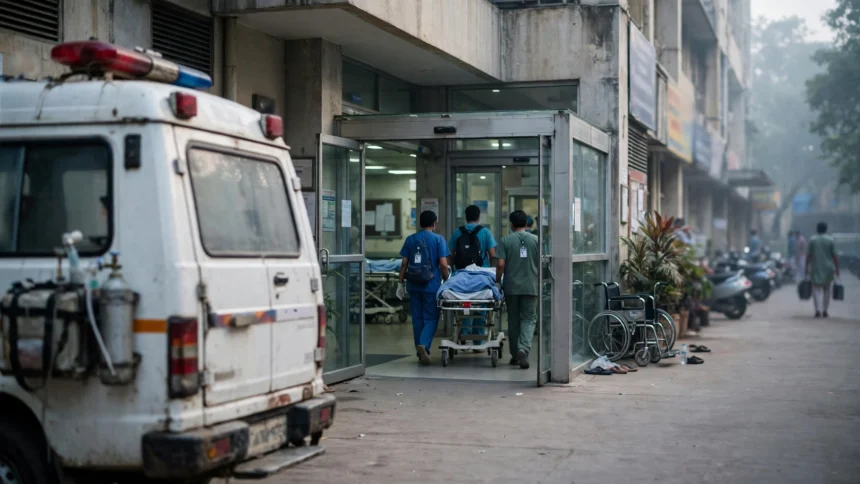
A stroke does not always arrive with warning, and it does not only strike older people. That is the message doctors across India are repeating on World Stroke Day, observed on October 29. This year’s theme, Every Minute Counts, is a reminder that the first few minutes after symptoms appear can decide how much of the brain can be saved.
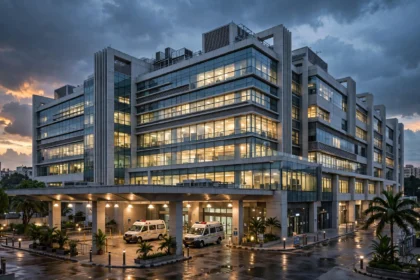
In Mumbai, doctors at Gleneagles Hospital, Parel, say stroke cases among younger adults have risen by 10 to 15 per cent since the Covid-19 pandemic. Dr Nitin Dange, Director of Interventional Neurology and Neurosurgery, said cases were earlier seen more commonly in people in their 40s and 50s. Now patients in their 20s and 30s are turning up more often. The hospital doctors also warn that fewer than 5 per cent of stroke patients in India reach a hospital within the critical treatment window.
The pattern is not limited to one city. Doctors at KIMS Hospitals in Hyderabad report around 15 stroke patients in the outpatient department every month, including many middle-aged patients. In Odisha, state government figures reported by The Times of India show cases rising from 4,252 in 2023-24 to more than 9,000 in 2025-26. At NIMHANS in Bengaluru, stroke patients make up nearly 40 per cent of neurological casualty cases, around 705 a month, according to The Hindu.
What a stroke is, in plain terms
A stroke happens when blood supply to part of the brain is interrupted, or when a blood vessel in the brain bursts. Brain cells starved of oxygen begin to get damaged within minutes. Doctors at Gleneagles Hospital say around 75 to 85 per cent of strokes are ischaemic, caused by a blocked vessel, while 15 to 20 per cent are haemorrhagic, caused by bleeding. That is why a scan comes first: a treatment that helps a blocked artery can make bleeding worse.
Specialists in Vijayawada said that in a severe ischaemic stroke, nearly two million neurons may die every minute without treatment. Eligible patients can receive thrombolysis, a clot-dissolving treatment, generally within 4.5 hours of symptoms starting. Selected patients may benefit from mechanical thrombectomy, a procedure to remove the clot, within 24 hours. Both are time-sensitive and only suitable after proper assessment and imaging.
Learn BE FAST, and act on it
Health workers in Kerala have been training nursing officers and the public to use the BE FAST method. It is simple to remember in a panic, and it covers the signs doctors most want people to notice.
- Balance: sudden loss of balance, dizziness, or trouble walking.
- Eyes: sudden vision problems or loss of vision in one eye.
- Face: one side of the face drooping, or an uneven smile.
- Arms: weakness or numbness in one arm or leg, especially on one side.
- Speech: slurred speech, or difficulty finding words.
- Time: note when symptoms started, and call for emergency help at once.
Other warning signs include a sudden severe headache, sudden confusion, and sudden numbness in the face, arm, or leg. Symptoms can ease for a while and still signal serious trouble. A brief episode, sometimes called a mini-stroke, should be treated as an urgent warning, not as a reason to wait.
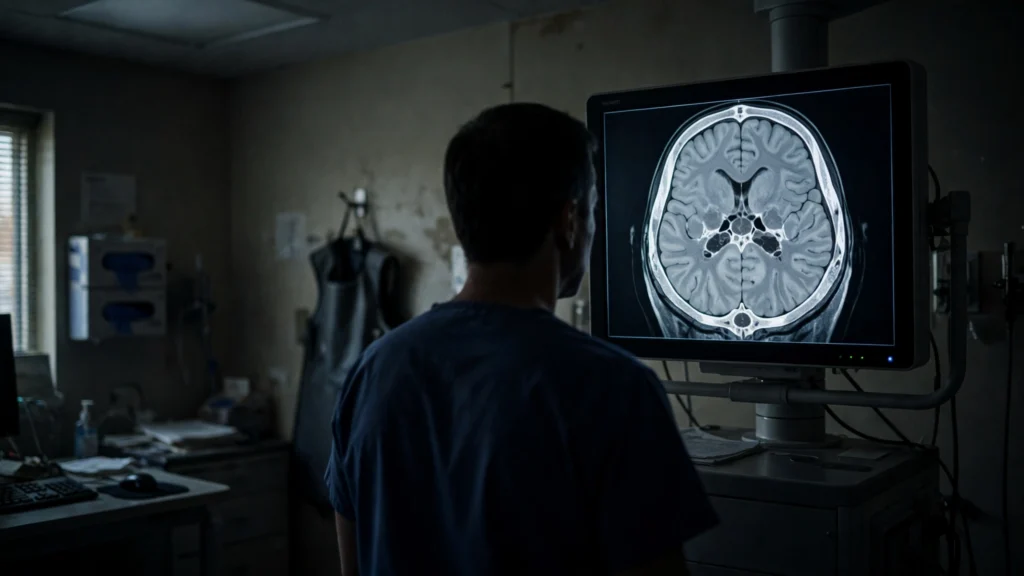
Why younger adults are at risk
No single cause explains the rise. The risk factors named again and again this week are familiar: high blood pressure, diabetes, high cholesterol, smoking, alcohol use, obesity, unhealthy diets, inactivity, and stress. A young adult with uncontrolled blood pressure, little sleep, regular smoking or drinking, and almost no exercise may carry more risk than their age suggests. Regular checks, quitting smoking, and moving more do not guarantee protection, but doctors say they lower the odds.
What to do in the first minutes
If someone shows stroke symptoms, call emergency services or take them to the nearest hospital equipped for stroke care, preferably one with CT scan facilities. Note the exact time symptoms began, because that guides treatment. Keep the person lying down, stay with them, and do not offer food, water, or medicines, including aspirin or blood pressure tablets, before a scan. Do not wait to see if symptoms pass.
This article is for awareness only, not medical advice. Speak to a doctor promptly about symptoms or risk factors.
FAQs
When is World Stroke Day observed?
Every year on October 29. The 2026 theme is Every Minute Counts, focused on recognising symptoms early and reaching hospital care without delay.
What are the early signs of a stroke?
Use BE FAST: sudden balance or vision problems, face drooping, arm weakness, speech difficulty, and the time symptoms started.
How quickly must a stroke patient reach hospital?
As fast as possible. Clot-dissolving treatment is generally given within 4.5 hours for eligible patients, and doctors say fewer than 5 per cent reach hospital in the critical window.
Can stroke affect young adults?
Yes. Doctors in Mumbai, Hyderabad, and Odisha report more cases among people in their 20s, 30s, and middle age.
What should you not do during a suspected stroke?
Do not give food, water, aspirin, or blood pressure medicine before a scan, and do not wait for symptoms to pass.
Stroke does not wait for a convenient moment. On World Stroke Day, the ask from doctors is modest and urgent: learn the signs, check your blood pressure, and if something looks wrong, act in minutes, not hours.