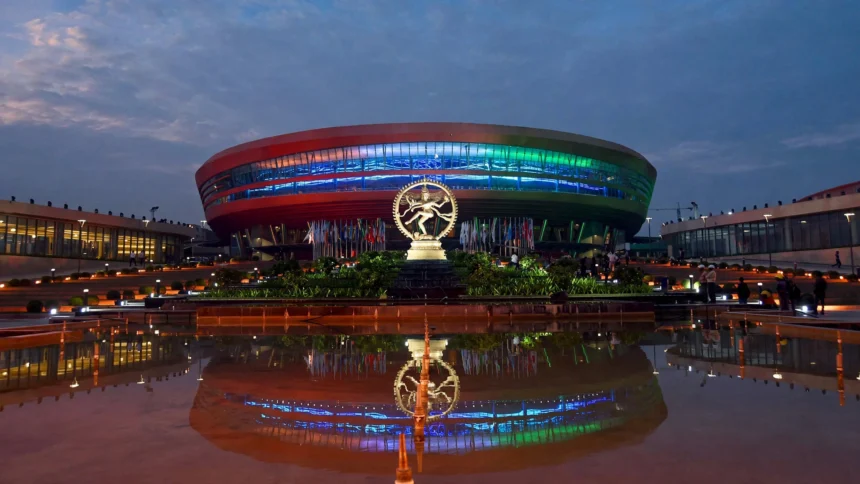
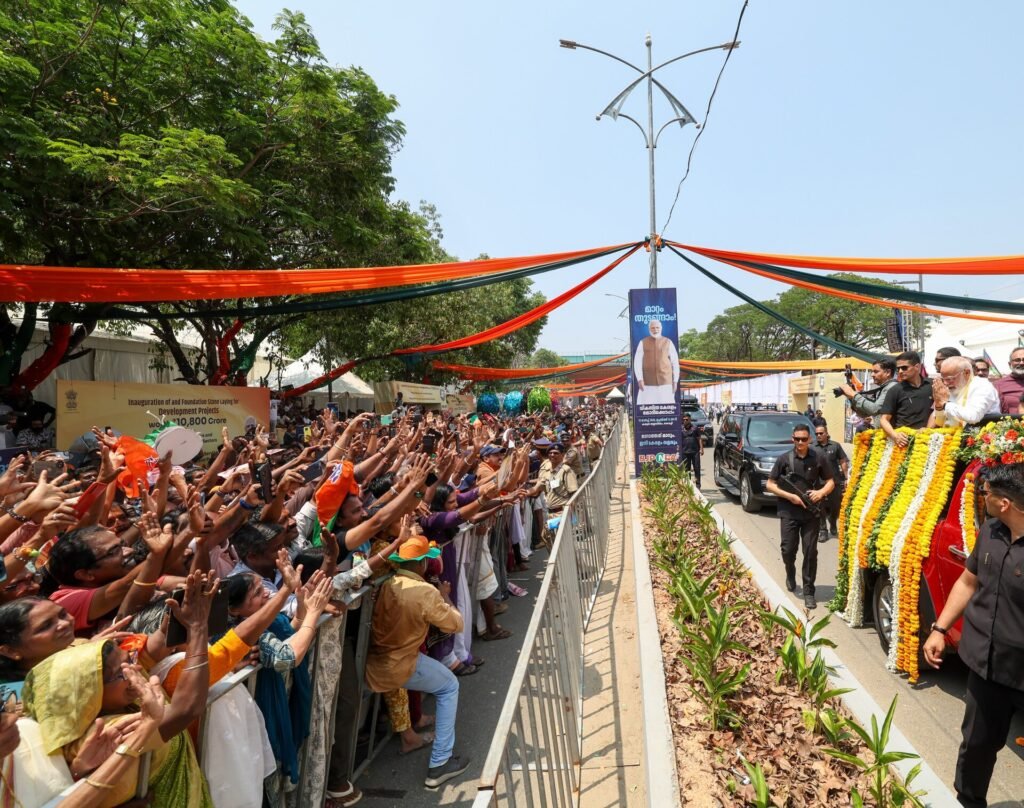
Prime Minister Narendra Modi on Thursday told industry leaders that India remains the world’s fastest-growing major economy, pointing to a record month for exports and growth forecasts of around 7 per cent. He was speaking at the centenary-year annual convention of the Federation of Indian Chambers of Commerce and Industry (FICCI) at Bharat Mandapam in New Delhi, where he also asked Indian industry to draw up a clear roadmap for the next two decades.
The message from the stage was simple: the economy is growing fast, exports are breaking records, and the world is taking notice.
A record month for exports
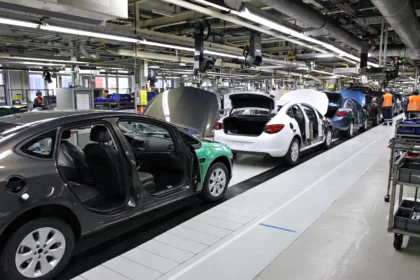
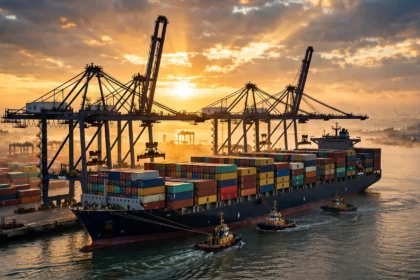
The headline number of the day came from trade data. India’s merchandise exports stood at $49.47 billion in October 2026, against $34.11 billion in the same month last year, according to the Commerce Ministry. It is the highest monthly goods export figure India has ever recorded.
Combined exports of goods and services were estimated at $89.99 billion for October, a rise of nearly 30 per cent over the corresponding month last year. The October surge fits a wider pattern: total exports of goods and services reached an estimated $568.84 billion during April to October of the current financial year, up 16.66 per cent year on year.
Exports to free trade agreement partners have grown sharply too, with shipments to ASEAN rising 58 per cent to $28.06 billion in the April to September period.
Growth forecasts keep climbing
On growth, the Prime Minister said several global institutions were projecting India’s economy to expand at around 7 per cent. The International Monetary Fund’s October 2026 World Economic Outlook projected growth of 7 per cent for 2026-27, citing resilient domestic demand and strong services activity.
Moody’s, S&P, Fitch Ratings, the World Bank and the Asian Development Bank have all been revising their India forecasts upwards in recent weeks. The official data backs the optimism: real GDP grew 7.8 per cent in the first quarter of 2026-27, with gross value added up 8.2 per cent.
The poverty number behind the pitch
Modi also cited a recent World Bank report on poverty reduction, calling it one of the most significant achievements of the last decade. The World Bank’s October 2026 India Poverty and Equity Brief estimated that 496 million people moved above the lower-middle-income poverty threshold between 2011 and 2023.
The share of the population below that poverty line declined from 57.7 per cent to 16.1 per cent over the same period. The Prime Minister described the scale of the shift as unprecedented.
The challenge he set for industry
The speech was not only a victory lap. Modi urged industry leaders to assess their priorities honestly and define what they can contribute to the goal of a developed India by 2047, the Viksit Bharat vision. He called for periodic self-assessment by individuals, industries and the country as a whole.
He also pressed industry to cut India’s dependence on imports in areas where domestic capacity can be built. Despite India’s standing as a global supplier of medicines, he pointed out, the country still imports active pharmaceutical ingredients and intermediates worth billions of dollars.
FICCI, established in 1927, is observing its centenary year in 2026-27 and completes 100 years in April 2027.
Why it matters
Record exports and a 7 per cent growth rate sound like abstract numbers, but they show up in everyday life in concrete ways. Strong exports support factory orders, logistics jobs and foreign exchange earnings, which in turn steady the rupee. The currency has already recovered from its record low of 96.88 against the dollar in early October to around 93.41 this week, and the Chief Economic Adviser said on Wednesday that managing rupee strength, not weakness, may be next year’s challenge.
There are caveats worth keeping in mind. Retail inflation rose to 6.09 per cent in October, just above the Reserve Bank of India’s 6 per cent tolerance ceiling, and the central bank has already raised the repo rate to 5.50 per cent. Growth, in other words, is strong, but the cost of money is going up, and households are still feeling price pressure.
What to watch next: the GDP data for the July to September quarter is due on 30 November, and the RBI’s December policy meeting will show whether the central bank thinks inflation needs more cooling.
FAQs
How much did India export in October 2026?
Merchandise exports were $49.47 billion, the highest ever for a single month. Combined goods and services exports were estimated at $89.99 billion.
What growth rate is India expected to clock in 2026-27?
The IMF projects 7 per cent growth for 2026-27, and several other agencies, including Moody’s, S&P, Fitch, the World Bank and the ADB, have revised their forecasts upwards.
What did PM Modi say at FICCI?
Addressing FICCI’s centenary-year convention in New Delhi on 19 November, he said India remains the world’s fastest-growing major economy, cited the record export month and the World Bank’s poverty findings, and urged industry to prepare a roadmap for Viksit Bharat 2047.
The Prime Minister’s message to industry was clear: the numbers are on India’s side, but the next twenty years will be decided by what businesses build now. The roadmap for 2047, he said, has to be written by industry itself.