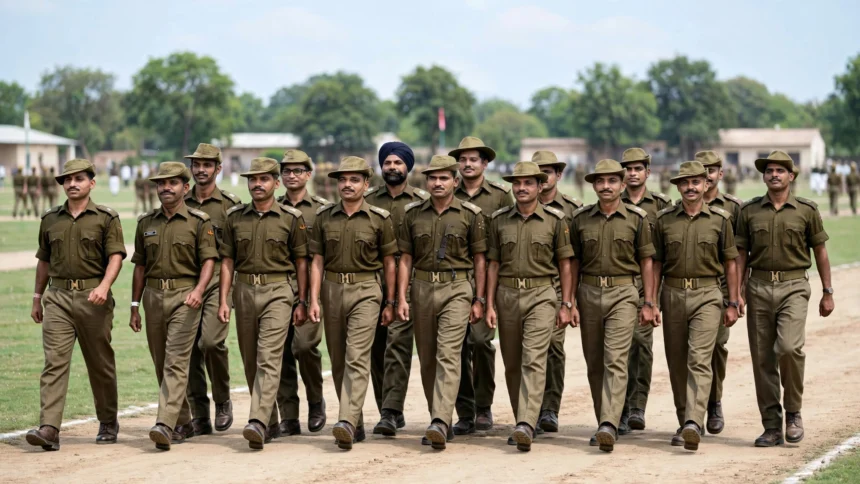
New Delhi woke up to a major change in military recruitment on Wednesday, 4 November 2026. The Union Cabinet has approved a two-year second tour of duty for Agniveers, giving thousands of young soldiers more time in uniform and a fresh chance at a permanent career in the armed forces. The decision, announced by Chief of Defence Staff General N S Raja Subramani, comes just weeks before the first batch of Agniveers was due to leave service in December 2026 after completing its four-year term.
For the roughly 18,000 soldiers in that first batch, the timing could hardly be more important. Under the original scheme, only 25 per cent of each batch was to be absorbed into the regular forces. Now, the remaining 75 per cent will be offered two more years, taking their maximum tenure from four years to six, with another opportunity to apply for regular enrolment at the end of the extended term.
What exactly has changed
The Cabinet decision, taken at a meeting chaired by Prime Minister Narendra Modi, does not scrap the four-year Agnipath model. That model, launched in June 2022 for the Army, Navy and Air Force, stays in place for new recruits. What changes is what happens at the end of those four years.
- The 25 per cent regular absorption rule remains unchanged and continues on merit.
- The remaining 75 per cent will now be offered an additional two-year engagement, called a second tour of duty.
- After the two extra years, these soldiers can apply for regular enrolment, subject to their willingness and objective selection criteria.
- The second tour will carry higher pay, an enhanced Seva Nidhi package and seniority benefits, according to the Chief of Defence Staff.
- Continuation will depend on performance and a review of each soldier’s service record.
General Subramani described the move as a pathway for all Agniveers to be absorbed into the defence forces, while making it clear that regular enrolment after the extension is an opportunity, not an automatic guarantee.
Who benefits first
The immediate beneficiaries are the first-batch Agniveers recruited in 2022, scheduled to complete their initial tenure between December 2026 and January 2027. More than three lakh soldiers recruited under the scheme are currently serving across the three services, and the first batch has been watched closely as a test case for the whole model.
For these soldiers and their families, the announcement removes a cliff edge. Instead of leaving in a matter of weeks, they now have up to two more years of service, better pay during that period and a second shot at a permanent posting.
What has not changed
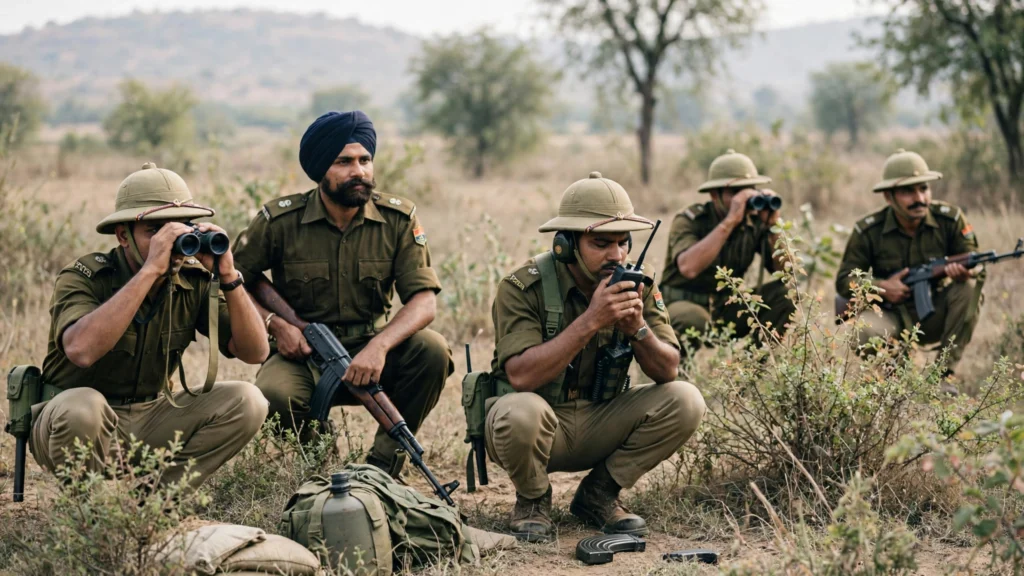
It is worth being precise about what this decision is not. The four-year initial engagement has not been lengthened for new recruits. The scheme has not become a permanent recruitment route by default. And the second tour is optional in the sense that it is offered to those not selected for regular service in the first round, with further enrolment decided on merit and willingness.
That distinction will shape the debate. Much of the argument around Agnipath since 2022 has centred on whether a four-year term gives soldiers enough time, training and security, and critics will judge this change by how many soldiers actually convert to regular service after six years.
The politics behind the announcement
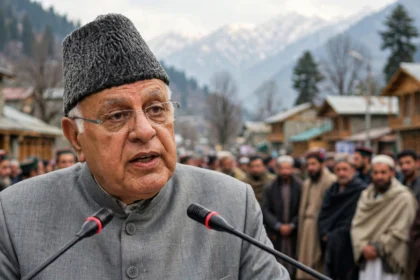
The political reaction was swift. Congress leader Pawan Khera called the Centre a “U-turn government” and dubbed the BJP “Bharatiya Janata Palti”, arguing that Congress leader Rahul Gandhi had warned from the start that the scheme was flawed and would have to be reconsidered. Khera linked the timing to assembly elections approaching in Uttar Pradesh, Punjab, Uttarakhand, Manipur and Himachal Pradesh, states with high per capita recruitment into the armed forces.
The Congress reaction underlines why this story sits at the intersection of defence policy and politics. Agniveer recruitment touches lakhs of families in states that send large numbers of soldiers to the forces, and any change to tenure, pay or permanent prospects is felt far beyond Delhi.
What to watch next
Three things will decide how big this change really is: the detailed guidelines on performance reviews, the take-up among the first batch, and the numbers at the end of the six-year mark, when the first extended batch faces its second selection round.
For now, the message to the first batch is clear: the door set to close in December stays open for two more years, with a second chance beyond it.
FAQs
How long can Agniveers serve now? The initial term remains four years. Those not selected for regular service can now serve two more years, taking the maximum tenure to six years.
Does everyone get a permanent job after six years? No. After the extended term, Agniveers get an opportunity to apply for regular enrolment, subject to willingness and objective selection criteria.
Who benefits immediately? Around 18,000 first-batch Agniveers who were due to exit in December 2026 after completing four years of service.
Has the 25 per cent rule changed? No. The provision to absorb 25 per cent of Agniveers into the regular cadre on merit remains in place.
Will new recruits also get six years? New recruits still join for four years. The two-year extension applies at the end of that term to those not absorbed in the first round.
Stay with Informeia for updates on the Agnipath changes, the detailed guidelines and what they mean for serving Agniveers and their families.