India has made it plain that there is no rethink on the Indus Waters Treaty, even as a Pakistani minister walks the corridors of power in New Delhi for the first time in more than three years. “There is absolutely no change,” the Ministry of External Affairs said on Friday, drawing a firm line under a question that has hung over the visit all week.
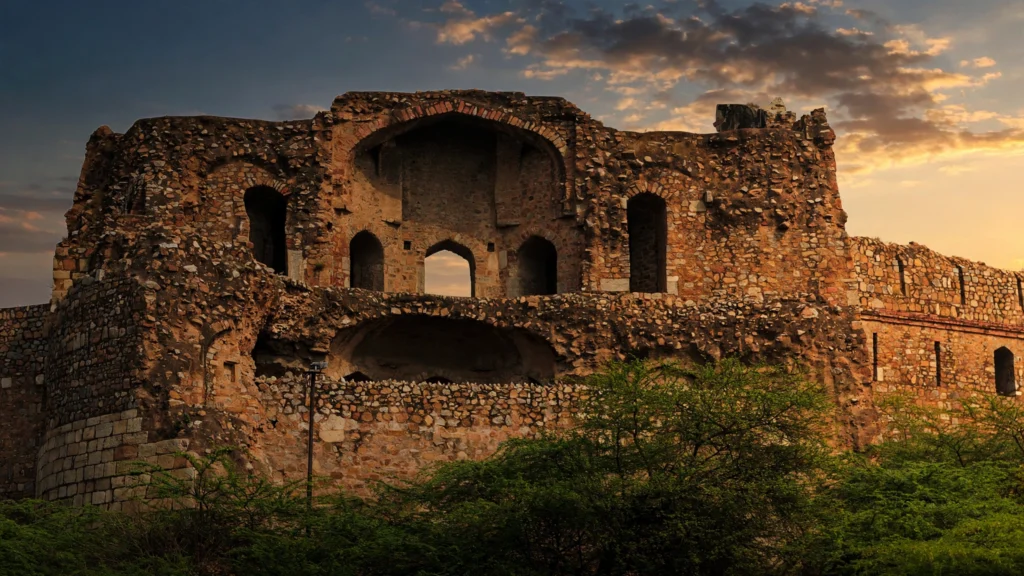
The statement came as Pakistan’s Climate Change Minister Musadik Masood Malik arrived in the capital to attend the first Shanghai Cooperation Organisation (SCO) Civilisational Dialogue Forum, a three-day gathering at the historic Purana Qila that runs from November 20 to 22. Prime Minister Narendra Modi inaugurated the forum on Friday.
What the MEA said
Responding to questions about Malik’s visit and his earlier remarks on the water-sharing agreement, MEA spokesperson Randhir Jaiswal left no room for interpretation. “As far as the IWT is concerned, we have made our position very clear, and that is where it remains. There is absolutely no change,” he told reporters at his weekly briefing on November 20.
Malik had earlier criticised India’s decision to place the 1960 treaty in abeyance and had warned that Pakistan would respond if India interfered with its share of water. In Delhi, however, he struck a different note, telling reporters on the sidelines of the forum that culture could open new avenues of dialogue between the two neighbours, and that his visit was part of a multilateral gathering rather than a bilateral negotiation.
The MEA had already clarified, hours before the forum opened, that the November 20 to 22 event was a multilateral engagement, with SCO observers and dialogue partners also invited. India had announced on October 28 that invitations had gone out to all SCO member countries, including Pakistan, in keeping with established practice. Islamabad confirmed Malik’s participation on November 14.
A first visit in more than three years
Malik’s trip is the first by a Pakistani federal minister to India since May 2023, when then foreign minister Bilawal Bhutto Zardari attended an SCO meeting in Goa. It is also among the first ministerial visits from Pakistan since the military confrontation between the two countries in May 2025.
The forum itself is a first of its kind. India is hosting the inaugural SCO Civilisational Dialogue at Purana Qila, bringing together delegations from member states for discussions on shared heritage and culture. Malik arrived in New Delhi early on Friday and attended the opening session.
The MEA has also cleared the Pakistani delegation’s visit to the Taj Mahal, while a proposed stop at the Nizamuddin Dargah in Delhi is still awaiting security clearance, according to reports.
Why the treaty was put on hold
India placed the Indus Waters Treaty in abeyance on April 23, 2025, a day after the terror attack in Pahalgam, Jammu and Kashmir, killed 26 people. Following a meeting of the Cabinet Committee on Security, New Delhi announced that the treaty would remain suspended until Pakistan credibly and irrevocably ended its support for cross-border terrorism.
Pakistan rejected the decision, arguing that the treaty could not be unilaterally suspended. The dispute has remained unresolved since the four-day military confrontation between the two countries in May 2025, which followed Operation Sindoor.
The timeline tells its own story:
- September 1960: India and Pakistan sign the Indus Waters Treaty, brokered by the World Bank, dividing the six rivers of the Indus system between the two countries.
- April 22, 2025: Terrorists kill 26 people in Pahalgam, Jammu and Kashmir.
- April 23, 2025: India places the treaty in abeyance, the first time the agreement has been suspended in its 65-year history.
- May 2025: A four-day military confrontation follows Operation Sindoor.
- October 28, 2026: India announces invitations to all SCO members, including Pakistan, for the Civilisational Dialogue Forum.
- November 20, 2026: Malik arrives in Delhi; the MEA says there is “absolutely no change” on the treaty.
Why it matters
The significance of Friday’s statement lies less in what it says than in when it was said. With a Pakistani minister in Delhi and cameras watching for any softening, New Delhi chose to repeat its position in the bluntest possible terms. That is a deliberate signal, and it works in two directions at once.
For Pakistan, the message is that a multilateral visit does not open a back channel on water. Malik’s presence at the SCO forum is welcome as a member-state engagement, but it buys no movement on the treaty. For the domestic audience, the message is continuity: the abeyance announced in the aftermath of Pahalgam remains government policy, unchanged by diplomatic optics.
The choice of words matters too. “Absolutely no change” closes the door on the kind of creative ambiguity that often surrounds such visits, where a vague statement can be read differently in two capitals. By ruling out any shift while the forum is still in session, India has also set the terms for the remaining two days: culture and civilisation can be discussed, the treaty cannot be renegotiated on the sidelines.
What this means in practice is that the water question stays frozen where it has been since April 2025. The treaty, which survived three wars and decades of tension, remains in abeyance, and its revival is tied to a single condition New Delhi has repeated since the Pahalgam attack: a credible and irreversible end to cross-border terrorism.
What happens next
The SCO forum continues through Sunday, November 22, and Malik is expected to participate in the remaining sessions before returning to Islamabad. Whether his visit produces any further engagement beyond the multilateral programme will be closely watched, but the MEA’s statement suggests no bilateral meeting on the treaty is on the cards.
The wider question is whether the forum itself becomes a template. If member-state gatherings can proceed normally while the hardest bilateral issues stay parked, both sides may find a way to keep multilateral channels open without conceding ground. For now, though, the water running through the Indus system remains the sharpest reminder that some doors in the relationship are still firmly shut.
FAQs
What did India say about the Indus Waters Treaty on Friday?
MEA spokesperson Randhir Jaiswal said India’s position remains exactly where it was, adding: “There is absolutely no change.” The treaty stays in abeyance.
Why is a Pakistani minister in Delhi?
Pakistan’s Climate Change Minister Musadik Masood Malik is leading his country’s delegation at the first SCO Civilisational Dialogue Forum, being held at Purana Qila in New Delhi from November 20 to 22.
When was the treaty put in abeyance?
India placed the 1960 treaty in abeyance on April 23, 2025, a day after the Pahalgam terror attack killed 26 people. It remains suspended until Pakistan credibly and irrevocably ends support for cross-border terrorism.
Is this the first Pakistani ministerial visit in years?
Yes. It is the first visit by a Pakistani federal minister to India since May 2023, when Bilawal Bhutto Zardari attended an SCO meeting in Goa.
What is the SCO Civilisational Dialogue Forum?
It is the first edition of a new SCO gathering hosted by India, focused on shared heritage and culture, with delegations from member states, observers and dialogue partners.
The SCO Civilisational Dialogue Forum continues in New Delhi through November 22. This is a developing story and will be updated as it unfolds.