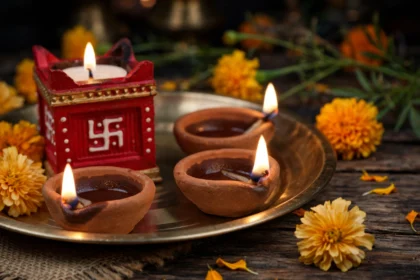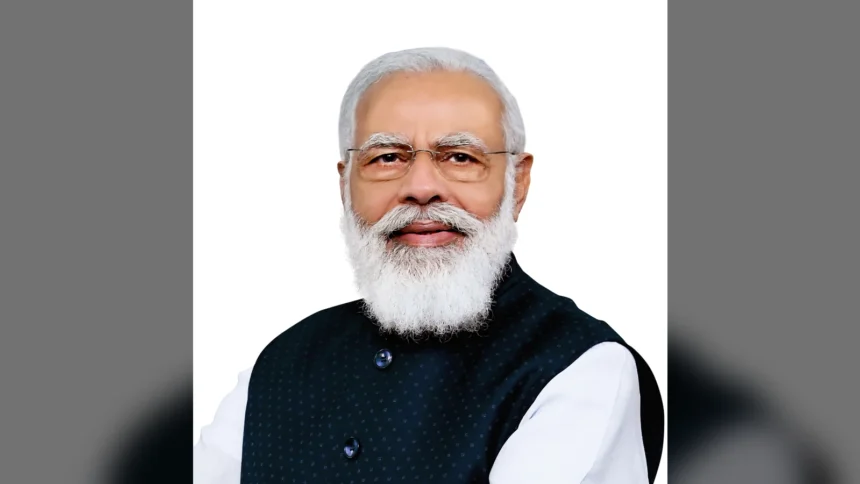
Prime Minister Narendra Modi is spending this Diwali in Bastar. In a post on X on Sunday morning, the Prime Minister said he was heading to the Chhattisgarh region to celebrate the festival with security forces, calling it a salute to the personnel who reclaimed an area where Naxalism once held sway.
“Heading to Bastar to celebrate Diwali with our brave security forces. This is an area where Naxalism once held sway and now, development is flourishing. I am going to salute our brave security personnel for their sacrifices, selfless service and unwavering devotion to the nation,” Modi wrote.
The visit is the Prime Minister’s 13th consecutive Diwali with the armed forces, a tradition he has kept every year since taking office in 2014. According to reports, it is also his first visit to Chhattisgarh for the festival, and it comes to a region that was, until recently, the epicentre of India’s Maoist insurgency.
A tradition that began in 2014
Unlike his predecessors, Modi has not celebrated Diwali at his official residence in Delhi since becoming Prime Minister. Every year, he has travelled to where soldiers guard the country’s most difficult frontiers, from high mountain posts to an aircraft carrier at sea.
On Saturday, a day before the visit, the Prime Minister had said he would continue the tradition this year as well. The announcement of Bastar as the destination came on Sunday morning, as he set out for Chhattisgarh.
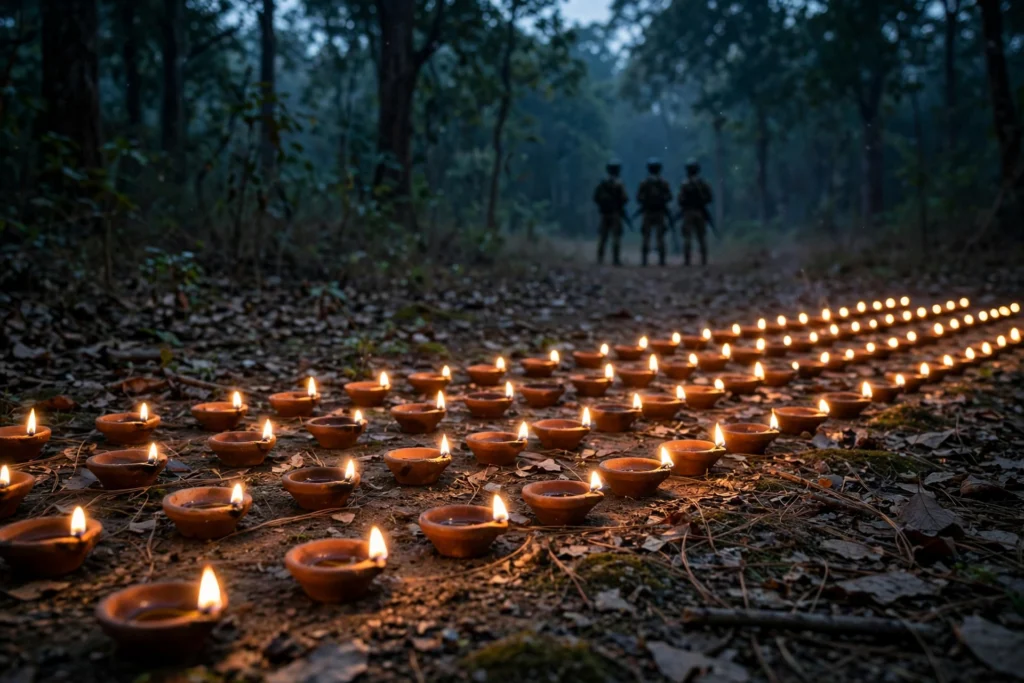
The choice of Bastar carries a message of its own. For decades, the region’s dense forests were territory where the writ of the state barely reached. Today, the government presents the same region as a story of return, with security camps deep inside the forests, surrendered cadres and development work reaching villages once cut off.
Bastar’s long road back
On March 31 this year, the Centre declared that the country had been freed from the menace of Naxalism, after the elimination of several senior Maoist leaders and cadres and the surrender of hundreds of others. The declaration marked the formal end of an insurgency that shaped Bastar’s politics and daily life for decades.
The turnaround was built on sustained anti-Naxal operations, forward security camps deep inside the forests, and cutting off the Maoist groups’ supply lines. The CRPF, its CoBRA commandos, the District Reserve Guard and the Chhattisgarh Police played the central role in dismantling the insurgent strongholds.
For the people of Bastar, the change is visible in everyday terms. Areas once out of bounds for officials now see roads, mobile connectivity and welfare schemes reaching them.
What the visit signals
The Bastar visit does two things at once. It honours the security forces who fought the insurgency, and it frames the region’s transformation as one of the government’s signature achievements. Modi is expected to interact with the personnel deployed in the region, exchange sweets and address them during the visit.
The timing matters as well. Diwali is the country’s biggest festival, and a Prime Minister choosing to spend it with jawans in a former conflict zone sends a deliberate signal about where the government’s priorities lie. According to reports, the exact venue of Sunday’s programme has not been officially disclosed, but the Prime Minister is expected to meet personnel deployed across the Bastar region.
For Chhattisgarh, the visit is also politically significant. Bastar’s seven Lok Sabha seats and large tribal population make it a region every party watches closely.
Security on the ground
Personnel of the Central Armed Police Forces and the Chhattisgarh Police, who have been closely involved in anti-Naxal operations in the region, have been deployed in Bastar for the visit. The forces remain on alert even as the government says the insurgency has been defeated, with operations against remaining Naxal groups continuing in the region.
In Bastar, though, the focus is on the Prime Minister’s message: that a region once defined by conflict is now, in his words, witnessing development flourish.
FAQs
Where is PM Modi celebrating Diwali 2026?
Prime Minister Narendra Modi is celebrating Diwali 2026 with security forces in Bastar, Chhattisgarh, a region once known as a stronghold of Naxalism.
How many years has PM Modi celebrated Diwali with soldiers?
This is his 13th consecutive Diwali with the armed forces, a tradition he has followed every year since becoming Prime Minister in 2014.
When did the government declare India free of Naxalism?
On March 31, 2026, the Centre declared that the country had been freed from the menace of Naxalism, after the elimination of senior Maoist leaders and the surrender of hundreds of cadres.
Which forces are deployed in Bastar?
The CRPF, its CoBRA commandos, the District Reserve Guard and the Chhattisgarh Police have been at the forefront of anti-Naxal operations in the Bastar region.
Why is Bastar significant?
Bastar was once the epicentre of India’s Maoist insurgency. The government now presents it as a region transformed by security operations, surrendered cadres and development work.
As the lamps are lit across Bastar this evening, the Prime Minister’s visit will be remembered as the Diwali when the region’s long conflict finally gave way to celebration.