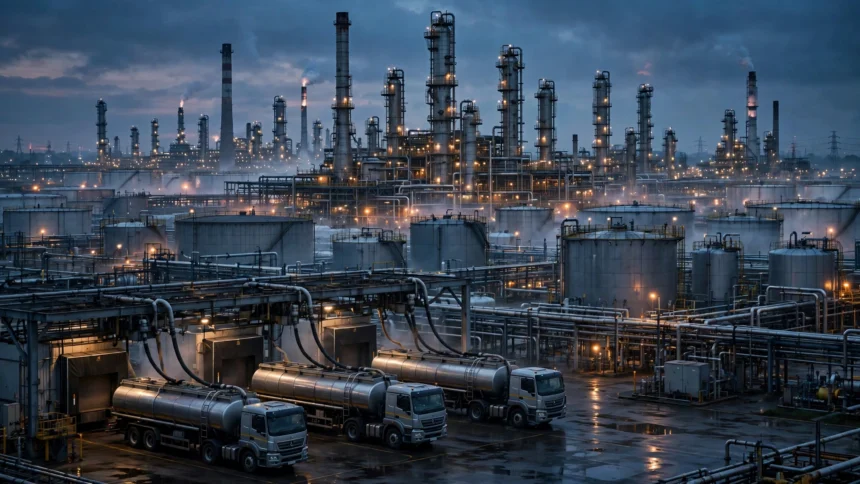
India has once again adjusted its windfall tax on fuel exports, this time raising the levy on petrol while sharply cutting it on diesel. The new rates kicked in from Friday, October 16, under a government order issued late Thursday night.
- A tax that keeps coming back
- What it means for refiners
- No impact on pump prices
- Why the fortnightly reviews matter
- How this fits the bigger picture
- FAQs
- What changed in the fuel export duty on October 16?
- Does this affect petrol and diesel prices at fuel stations?
- What is the windfall tax on fuel exports?
- How often are the rates revised?
The export duty on petrol has gone up to Rs 2.5 per litre, a steep climb from Rs 0.50 a litre earlier. In contrast, the duty on diesel exports has been nearly halved, from Rs 16 per litre down to Rs 8.5 per litre.
The move is part of the government’s fortnightly review cycle, under which export duties on refined fuels are revised in line with movements in international crude oil and petroleum product prices. With global crude still trading at elevated levels, refiners shipping petrol abroad will now face a higher tax bill, while diesel exporters get a breather.
A tax that keeps coming back
This is not the first time Indian refiners have seen the windfall tax change. The levy was first imposed in July 2022, when crude oil prices surged after the Russia-Ukraine war and domestic refiners were making extraordinary profits by exporting fuel abroad.
The government withdrew the tax two years later, when global prices had cooled and the super-normal profits faded. But it was back on the table in March 2026, after crude prices jumped again during the US-Israeli war on Iran. Since then, the rates have been reviewed every two weeks, moving up or down with international benchmarks.
The idea behind the tax remains the same: when refiners earn unusually high margins by selling fuel in overseas markets at elevated prices, the government wants a share of that windfall rather than leaving all of it on exporters’ balance sheets.
What it means for refiners
The asymmetric revision tells its own story. Raising the duty on petrol while cutting it on diesel suggests that margins on diesel exports have weakened recently, while petrol exports continue to fetch strong realisations abroad.
India’s private refiners, who export significant volumes of petrol and diesel, will feel the immediate impact. Reliance Industries and Nayara Energy are among the largest exporters of refined products, and their export economics are closely watched every fortnight when the new rates are announced.
For diesel, the duty cut from Rs 16 to Rs 8.5 per litre is meaningful. It restores some profitability to outbound diesel shipments at a time when product cracks in the region have been under pressure.
No impact on pump prices
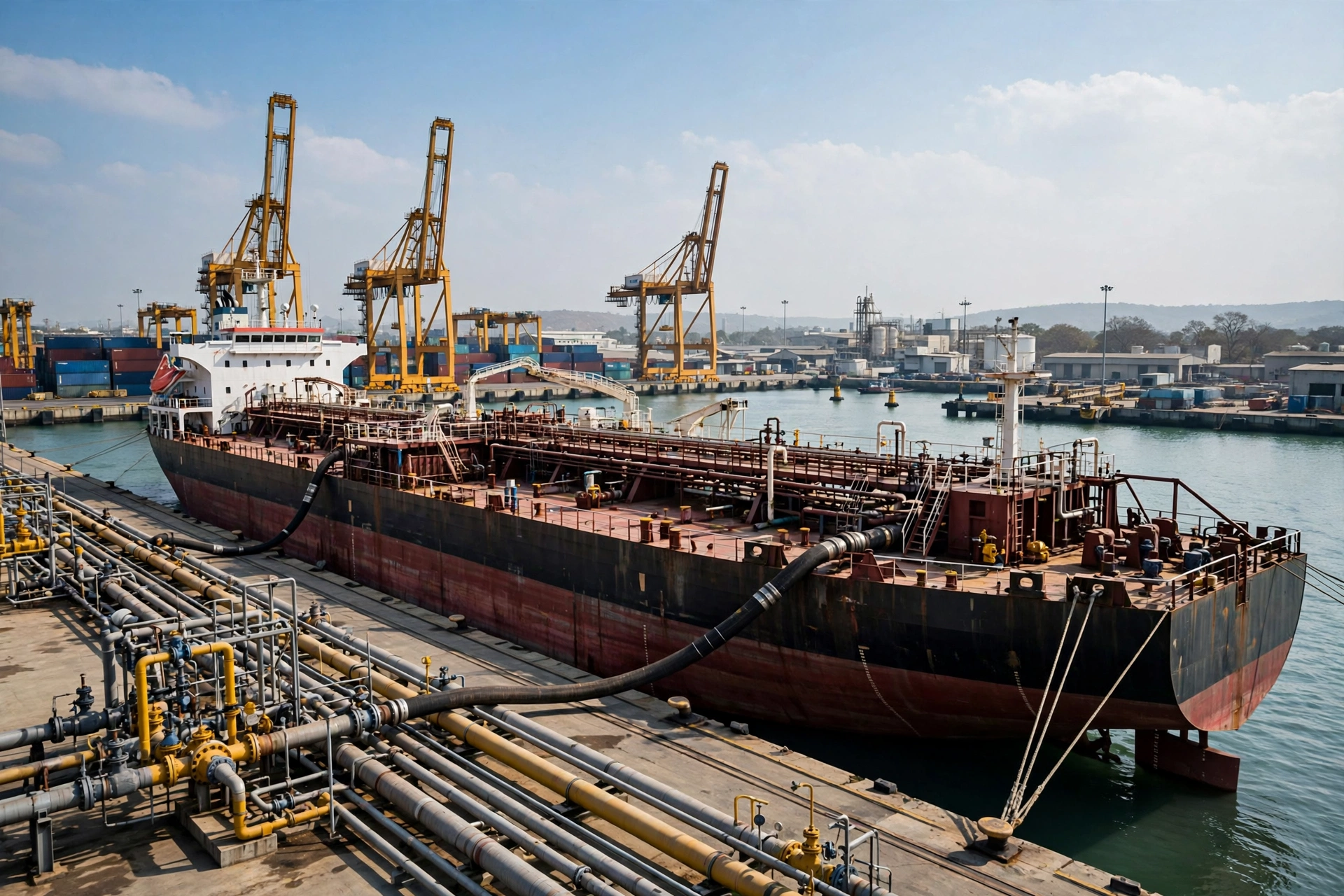
Motorists need not worry about what they pay at the fuel station. The windfall tax applies only to fuel that is exported, not to what is sold within the country. Retail petrol and diesel prices in Delhi, Mumbai, Chennai and other major cities remained unchanged on October 16.
That said, the backdrop matters. Brent crude was trading around $105.8 a barrel on Friday, while US WTI was near $97.71. State-run oil marketing companies are already under strain, with marketing margins reportedly negative on both petrol and diesel in September. Any sustained rise in crude would add to that pressure, though domestic pump prices have stayed frozen for a long stretch now.
Why the fortnightly reviews matter
The two-week review cycle means refiners cannot plan their export schedules too far ahead. Rates shift with:
- Movements in international crude oil benchmarks like Brent
- Regional product prices for petrol and diesel, known as cracks
- Export volumes and domestic demand-supply balance
- Currency movements, since a weaker rupee raises refiners’ realisations
The latest revision is the government’s read on all of these factors at this moment. If crude climbs further or product margins widen, the petrol duty could rise again in the next review. If diesel margins keep softening, the diesel levy could be trimmed further or removed entirely.
How this fits the bigger picture
India is one of Asia’s largest exporters of refined petroleum products, and its refiners swing volumes between domestic and overseas markets depending on where margins are better. The windfall tax is the government’s way of tilting that balance, making sure that when overseas prices are high, a portion of the gains flows to the exchequer.
The duty has also been a source of steady revenue in the past. At its peak in 2022, collections from the levy ran into thousands of crores, though the government has always described it as a temporary measure rather than a permanent feature of the tax system.
For now, the message is clear. The fortnightly tinkering continues, and exporters will have to keep one eye on every government notification, issued usually on the last day before the new rates take effect.
FAQs
What changed in the fuel export duty on October 16?
The export duty on petrol was raised to Rs 2.5 per litre from Rs 0.50, while the duty on diesel was cut to Rs 8.5 per litre from Rs 16. The new rates are effective from October 16, 2026.
Does this affect petrol and diesel prices at fuel stations?
No. The windfall tax applies only to fuel exported from India, not to fuel sold domestically. Retail prices across major cities remained unchanged on October 16.
What is the windfall tax on fuel exports?
It is a duty levied on refiners when they earn unusually high profits by exporting petrol, diesel and aviation fuel during periods of high global crude prices. It was first imposed in July 2022, withdrawn two years later, and reintroduced in March 2026.
How often are the rates revised?
The export duties are reviewed every fortnight and adjusted based on movements in international crude oil and petroleum product prices.
The next review is due in two weeks, and refiners, traders and policymakers will all be watching closely to see which way the rates move.