India’s automobile industry has just wrapped up its strongest second quarter on record. New data released by the Society of Indian Automobile Manufacturers (SIAM) on October 15 shows domestic sales across all major vehicle segments touched 83.88 lakh units in the July to September quarter, an 18.2 per cent jump over the same period last year.
What makes this quarter special is not just the headline number. For the first time, every single segment, passenger vehicles, two-wheelers, three-wheelers and commercial vehicles, posted its highest-ever sales for a second quarter. It is a clean sweep, and one that industry watchers say signals deep, broad-based demand rather than a one-off festive bump.
“Q2 of FY 2026-27 recorded the highest ever Q2 sales of all the segments,” said Rajesh Menon, Director General of SIAM, underlining that the quarter belonged to the entire industry, not just one corner of it.
How each segment performed
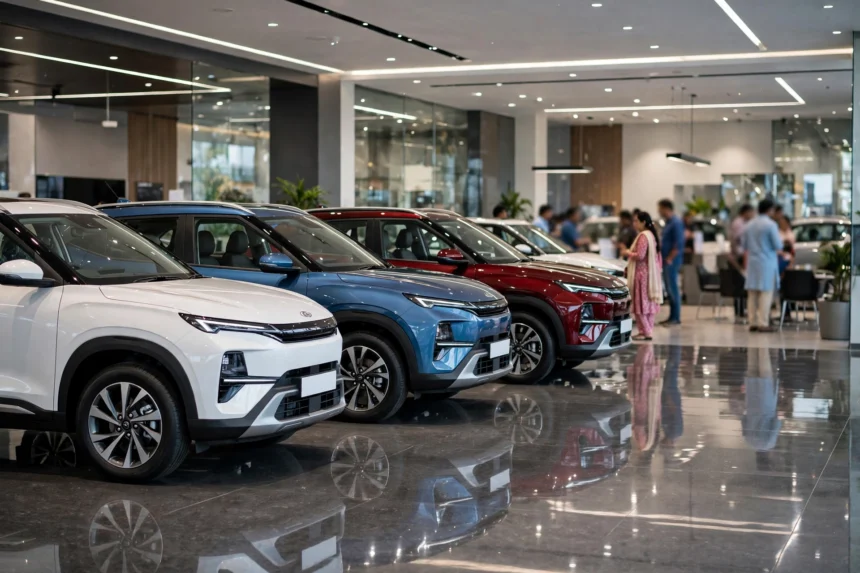
Passenger vehicles led the charge in growth terms. Sales climbed 30.7 per cent to 13.61 lakh units in the quarter, a surge that reflects how much buying power has returned to Indian showrooms.
Two-wheelers, the industry’s volume engine, sold 64.33 lakh units, up 15.2 per cent. Three-wheelers moved 2.85 lakh units, a 23.6 per cent rise, while commercial vehicles clocked 3.09 lakh units, growing 28.7 per cent on the back of healthy freight movement and infrastructure activity.
- Passenger vehicles: 13.61 lakh units, up 30.7 per cent
- Two-wheelers: 64.33 lakh units, up 15.2 per cent
- Three-wheelers: 2.85 lakh units, up 23.6 per cent
- Commercial vehicles: 3.09 lakh units, up 28.7 per cent
GST 2.0 and the affordability push
SIAM credits the blockbuster quarter to improved affordability following the GST 2.0 overhaul, which trimmed the tax burden on vehicles and put real money back in buyers’ pockets. Resilient demand from both rural and urban markets, steady freight movement, infrastructure-led economic activity and a gradual replacement cycle across segments did the rest.
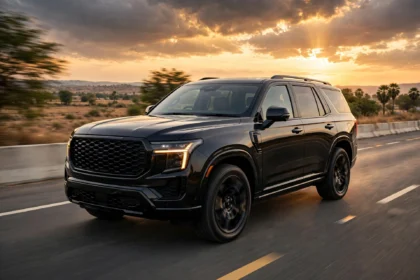
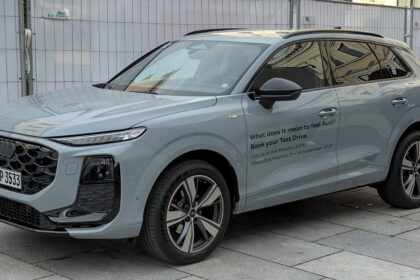
Within passenger vehicles, the SUV story continues to dominate. Utility vehicles accounted for 68 per cent of all passenger vehicle sales in the quarter, growing 34.2 per cent year on year. Traditional passenger car sales grew a healthy 24.9 per cent, showing that sedans and hatchbacks are far from done.
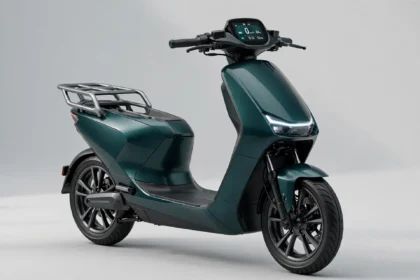
In two-wheelers, scooters were the standout, with sales rising 27.7 per cent, while motorcycle sales grew 7.4 per cent. The scooter surge points to rising urban commuting demand and growing acceptance among younger and women riders.
Exports: two-wheelers shine, cars face headwinds
The export picture was mixed but mostly encouraging. Two-wheeler exports jumped 27.7 per cent to 16.5 lakh units, their highest-ever second-quarter level, cementing India’s role as a global manufacturing base for motorcycles and scooters.
Three-wheeler exports rose 30.4 per cent to 1.6 lakh units, and commercial vehicle exports surged 72.5 per cent to more than 41,000 units.
Passenger vehicle exports were the one soft spot, declining 5.2 per cent to 2.29 lakh units. SIAM attributed the dip mainly to a higher base and logistics constraints linked to the West Asia crisis, which has complicated shipping routes for carmakers exporting to overseas markets.
What lies ahead for the second half
SIAM expects the industry to keep growing in the second half of FY2026-27, powered by the festive season, a pipeline of new launches, continued infrastructure spending, fleet replacement and rising last-mile mobility demand.
“Industry looks forward to the festive season for the continued momentum while remaining cautiously optimistic due to prevailing geo-economic uncertainties,” said Shenu Agarwal, President of SIAM.
The caution is not misplaced. The industry body flagged higher inflation, possible interest rate increases and geopolitical uncertainties as risks that could weigh on demand. Growth rates may also moderate simply because they are now being measured against a much higher base.
FAQs
How many vehicles did India sell in Q2 FY27?
Domestic sales across all segments reached 83.88 lakh units in the July to September 2026 quarter, up 18.2 per cent year on year, according to SIAM.
Which vehicle segment grew the fastest?
Passenger vehicles grew the fastest at 30.7 per cent, reaching 13.61 lakh units. Utility vehicles within that segment grew 34.2 per cent and now make up 68 per cent of car and SUV sales.
What drove the record sales?
SIAM points to improved affordability after GST 2.0, resilient rural and urban demand, healthy freight movement, infrastructure activity and a replacement cycle across segments.
Did exports also grow?
Yes, for most categories. Two-wheeler, three-wheeler and commercial vehicle exports all posted strong double-digit growth. Passenger vehicle exports fell 5.2 per cent due to a high base and West Asia logistics constraints.
Is the festive season expected to sustain the momentum?
SIAM expects positive growth in the second half, supported by festive buying and new launches, though it remains cautiously optimistic about geo-economic uncertainties.
For now, the numbers tell a clear story: India’s auto market is running at full throttle. If the festive season delivers as SIAM expects, FY2026-27 could well end as one of the industry’s best years on record.