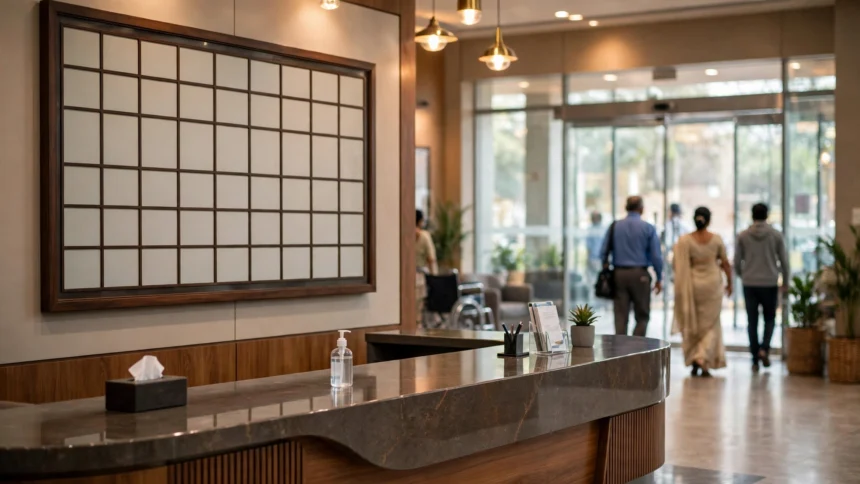
Hospital bills that leave families shocked and confused may soon become a thing of the past in Maharashtra. The state government has made it mandatory for private hospitals, clinics, nursing homes and diagnostic centres to display a clear rate card of all their medical services in both Marathi and English, right at the entrance where every patient can see it.
The directive, announced today by state Health Minister Prakash Abitkar, is aimed at curbing arbitrary pricing in private healthcare. Hospitals can no longer keep their charges vague or reveal them only at the billing counter. Rates for consultations, room charges, procedures, diagnostics and other facilities must now be put up prominently at the front desk or reception area, and updated the moment prices change.
What the new rule requires
Under the new instructions, every private medical establishment in the state must:
- Display a complete rate card of all medical services and facilities in both Marathi and English
- Place it at a conspicuous location, typically the entrance or front desk, where patients see it before treatment
- Issue and display a fresh price list immediately whenever any charge is revised
- Maintain full transparency in billing so that there are no hidden costs or overcharging
- Separately display package rates meant for international patients
District civil surgeons and local health officers across Maharashtra have been directed to ensure the rules are enforced strictly in their jurisdictions. The Health Minister said the move is expected to bring much-needed relief to citizens by bringing accountability and clarity into private healthcare billing.
Why the government acted
For years, patients and consumer rights groups have complained about opaque billing in private hospitals. Sudden markups, unexplained line items and charges that appear only at discharge have been persistent grievances. In many cases, families agreed to treatment without any real idea of what the final bill would look like.
The state government said the new mandate gives patients the right to know treatment costs upfront, so they can make informed decisions rather than facing unexpected financial burdens. By requiring the rate card in Marathi alongside English, the government has also made sure that language does not become a barrier for ordinary citizens seeking care.
The directive follows guidelines issued by the Central government to all states on standardising the display of medical charges, and fits within the broader framework of clinical establishment regulations that require private healthcare facilities to exhibit their service charges transparently.
What patients should do
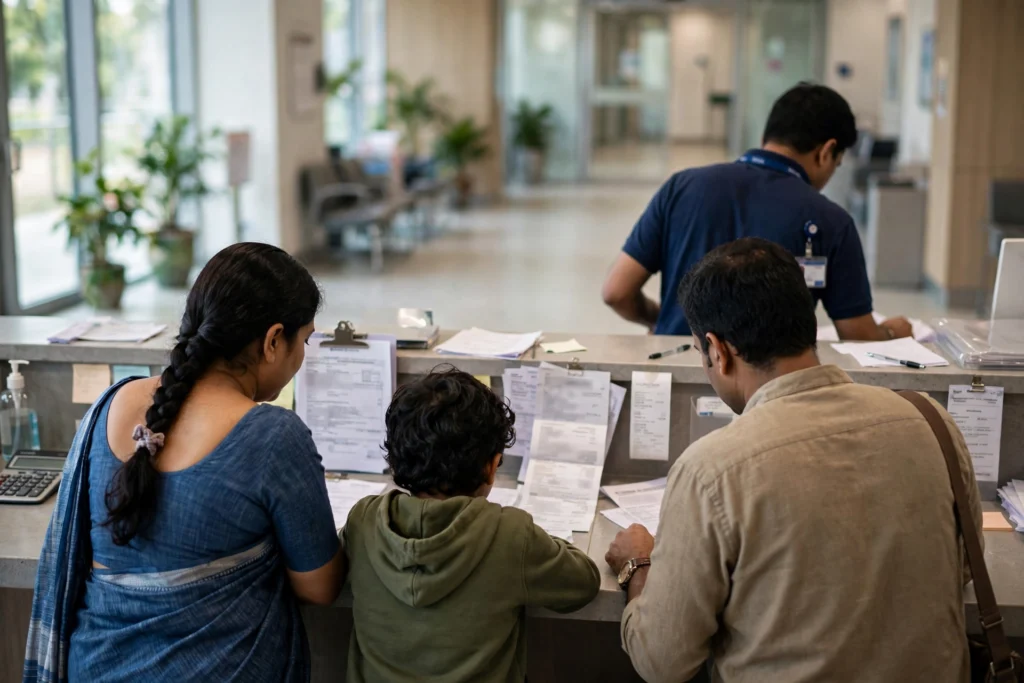
If you or a family member are visiting a private hospital in Maharashtra, look for the rate card at the reception before admission. Here is how the new rule helps you:
- Compare costs before you commit: you can now ask how a planned procedure or stay is priced, and cross-check it against the displayed rates.
- Demand an updated list: if the rate card looks old or a charge does not match what you are told, ask the hospital for the revised list.
- Question your bill: every bill must be transparent. If you spot a charge that was never displayed or explained, raise it with the hospital administration.
- Escalate if needed: district civil surgeons and local health officers are responsible for enforcement, so persistent violations can be reported to them.
FAQs
Which hospitals does the Maharashtra rate card rule apply to?
All private hospitals, clinics, nursing homes and diagnostic centres in the state, including facilities that treat international patients.
Where will the rate card be displayed?
At a conspicuous location such as the entrance or the front desk and reception area, in both Marathi and English.
What happens when a hospital changes its prices?
The hospital must issue and display a new, updated price list immediately. Rates cannot be revised silently.
Does this stop overcharging?
The rule requires complete billing transparency and bans hidden costs. Enforcement will be handled by district civil surgeons and local health officers.
Why is the rate card in two languages?
So that Marathi-speaking citizens can read and understand hospital charges without depending on English translations.
The message from the government is simple: treatment decisions should be based on medical need, not bill surprises. For patients in Maharashtra, the first sign of a fair hospital will now be visible the moment they walk through the door.