Mumbai has just given India’s quietest health crisis a loud new push. On Saturday, the Osteoporosis Society of India (OSI), in association with Sun Pharma, launched a year-long Bone Health Scorecard initiative aimed at catching weak bones before they break. The programme, launched under the campaign “Why Wait? Till It Breaks”, plans to reach more than one lakh patients through bone mineral density (BMD) camps across over 500 districts in the next year.
The idea is simple: most people discover they have osteoporosis only after a fracture. A wrist broken in a minor fall, a hip that gives way on a bathroom floor. By then, years of silent bone loss have already done their damage. The campaign wants to flip that order, getting people to check their risk first.
What the campaign will actually do
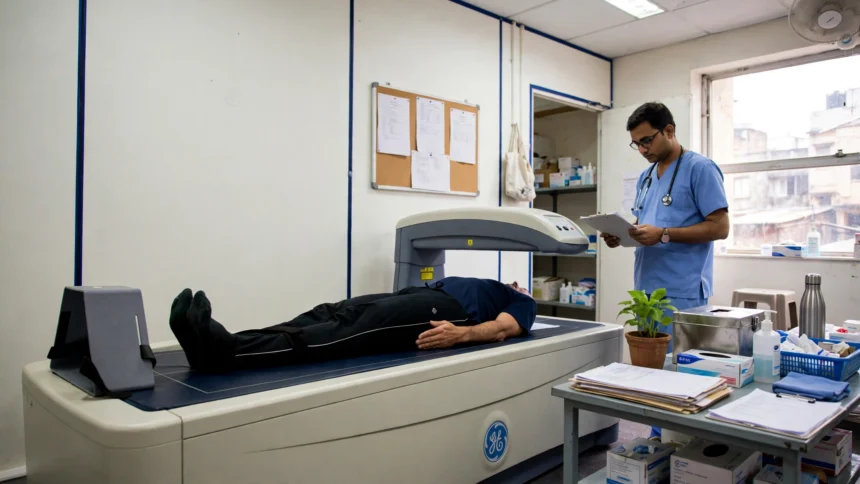
At the centre of the drive is the Bone Health Scorecard, a tool to help people understand their personal risk and seek timely medical guidance. BMD camps will take screening closer to communities, rather than waiting for patients to walk into a specialist clinic after an injury.
Covering more than 500 districts is an attempt to move bone health out of big-city hospitals and into places where testing is hardest to find. In much of India, bone density testing still sits outside routine check-ups, and many people have never heard of a DEXA scan, the standard test that measures bone strength.
Why osteoporosis stays hidden for so long
Osteoporosis weakens bones gradually, often with no symptoms at all. There is usually no pain and no warning ache. The first sign is frequently a fracture from a fall that should not have broken a healthy bone. That is why doctors call it a silent disease, and why a fracture in later life can quickly turn into chronic pain, reduced mobility and a loss of independence.
The risk rises sharply with age, particularly after 50. Postmenopausal women face the highest risk, because falling oestrogen levels speed up bone loss. But men are not spared. At the Mumbai launch, OSI president Dr Sushrut Babhulkar pointed to the global picture: one in three women and one in five men aged over 50 are at risk of osteoporotic fractures.
“Since osteoporosis often goes undetected until a fracture occurs, early risk assessment is important,” Dr Babhulkar said at the launch, adding that the scorecard aims to help people understand their risk and seek timely medical guidance.
The Indian numbers behind the worry
The launch announcement cited an estimate that 22.9 percent of adults in India are affected by osteoporosis. Indian diets are often low in calcium and protein, vitamin D deficiency is common despite abundant sunshine, and testing facilities remain concentrated in cities.
Doctors also warn that fractures in India tend to occur at a younger age than in the West, which makes early screening even more important here.
Who was at the Mumbai launch
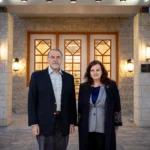
The launch drew more than 100 orthopaedic doctors and healthcare professionals, including Dr Nandita Palshetkar of Bloom IVF and veteran actor Bhagyashree Dassani, who attended as chief guest. Joseph Gerald of Sun Pharma’s India business said the partnership aims to make bone health assessment more accessible.
What you can do about your own bone health
Doctors say bone health is built over a lifetime, but it is never too late to start. The basics still matter most:
- Get checked if you are at risk: Anyone over 50, postmenopausal women, people with a family history of fractures, and those who have already had a fragility fracture should ask a doctor about a bone density test.
- Eat for your bones: Calcium from dairy, ragi, sesame and leafy greens, plus enough protein, gives bone its raw material.
- Do not skip vitamin D: Sensible sun exposure and, where a doctor advises it, supplements help the body actually absorb calcium.
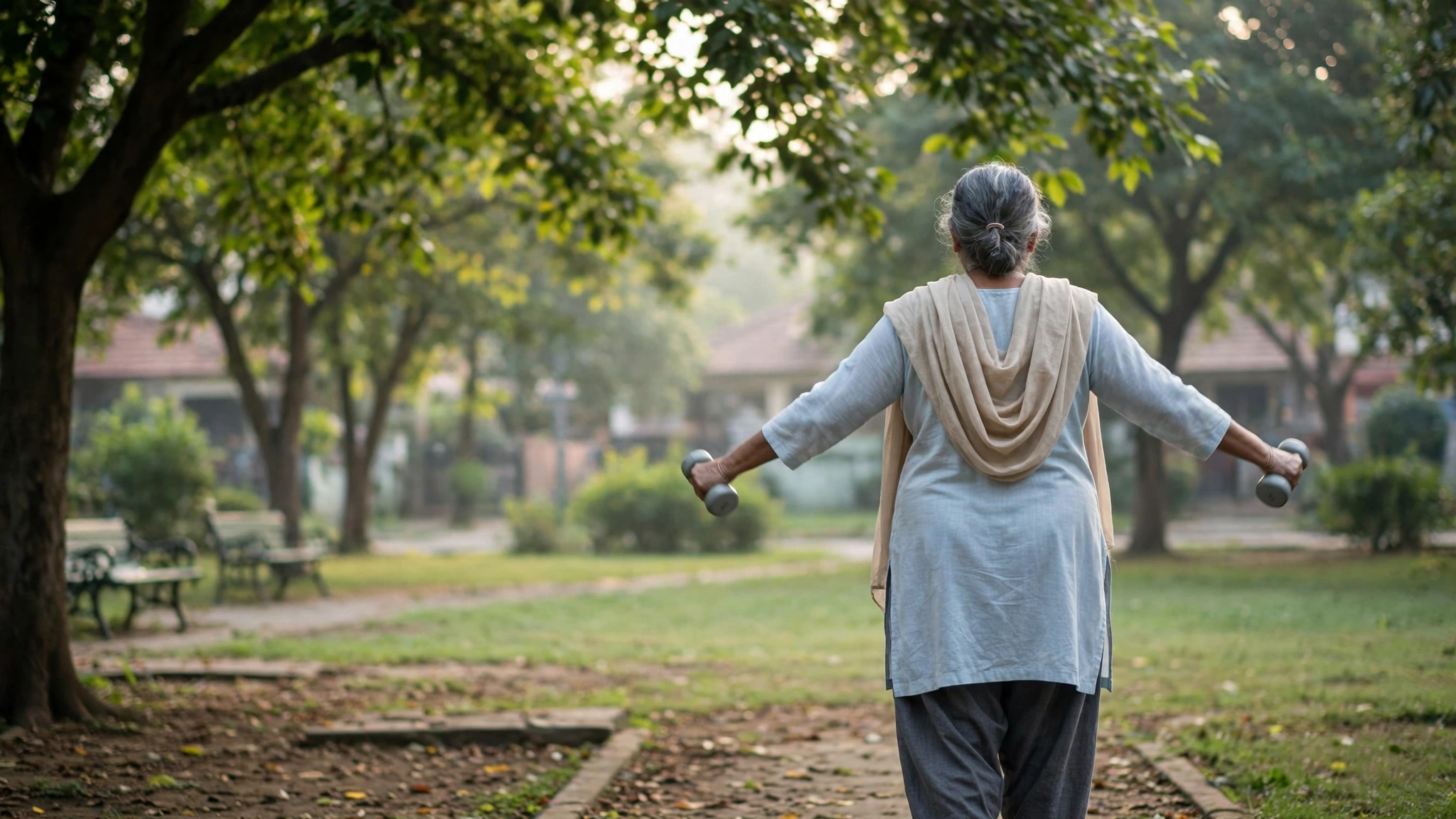
- Move against gravity: Walking, climbing stairs, light strength training and balance exercises load the bones and keep them strong.
- Cut the bone thieves: Smoking and heavy alcohol use speed up bone loss, while a fall-proof home, with grab bars and good lighting, lowers fracture risk.
The timing is no accident. The campaign follows World Osteoporosis Day on October 20, and tries to turn that annual message into something durable: a scorecard in hand, a camp nearby, and a reason to act this year rather than after a fall.
FAQs
What is the Bone Health Scorecard campaign?
A year-long initiative by the Osteoporosis Society of India and Sun Pharma, launched in Mumbai on October 24, 2026, to promote early osteoporosis risk assessment through BMD camps across more than 500 districts.
How many patients does it aim to reach?
More than one lakh patients over the next year.
Who is most at risk from osteoporosis?
Risk rises after age 50, and postmenopausal women are especially vulnerable, though older men are also at significant risk.
How is osteoporosis detected?
A bone mineral density test, usually a DEXA scan, measures bone strength and can spot bone loss long before a fracture occurs.
Can bone loss be prevented?
Risk can be reduced with calcium, vitamin D, protein, weight-bearing exercise, not smoking, and early screening. Speak to a doctor rather than self-treating.
Bone health rarely makes headlines, because it rarely hurts until it is too late. This campaign is betting that a simple check, done in time, can keep lakhs of Indians on their feet and out of hospital.