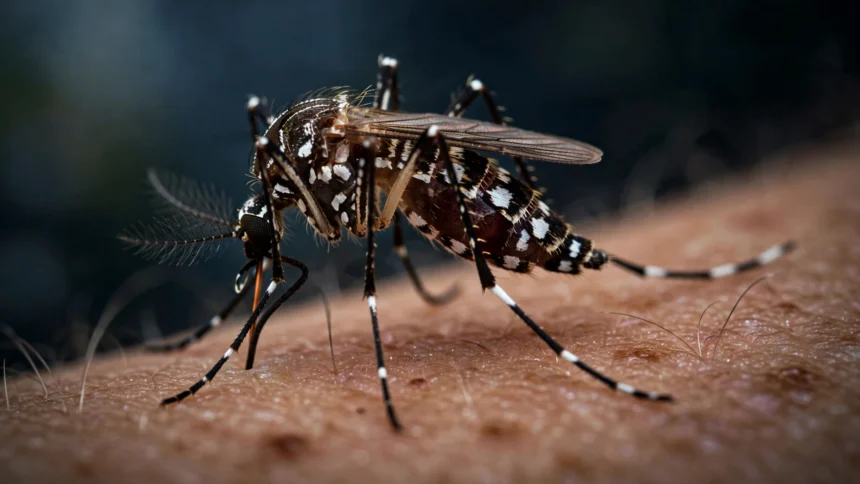
Mumbai may finally be getting some relief from its mosquito problem. The Brihanmumbai Municipal Corporation (BMC) says malaria and dengue cases have started to decline in the first half of October, after a monsoon season that kept doctors and hospitals busy for months.
- The numbers behind the monsoon season
- But doctors are not celebrating yet
- Swine flu and other monsoon diseases
- What the BMC is doing now
- What you should do
- Frequently asked questions
- Is dengue still a risk in Mumbai this October?
- What are the early symptoms of dengue and malaria?
- When should I see a doctor?
- Are Mumbai’s civic hospitals equipped to handle these cases?
The civic body compared the first two weeks of October with September and found a clear drop in both diseases. September was the worst month of the season: the city reported 1,313 malaria cases and 1,360 dengue cases that month. In October so far, the BMC has logged 944 malaria cases and 979 dengue cases. Malaria numbers also appear lower than the same period last year, according to the civic body.
“The number of malaria and dengue cases have fallen in the first half of October compared with September,” said Dr Santosh Gaikwad, executive health officer at the BMC. He did not share the exact October figures, but the trend, he said, is encouraging.
The numbers behind the monsoon season
This year’s monsoon was brutal for mosquito-borne diseases. Between June and September 2026, Mumbai recorded 7,422 malaria cases and 2,941 dengue cases, according to BMC data. In the same four-month period last year, the city had reported 5,144 malaria cases and 3,356 dengue cases.
That means malaria infections this monsoon were roughly 44 percent higher than last year, while dengue cases actually declined marginally. The contrasting trend has kept the city’s public health machinery on its toes through the season.
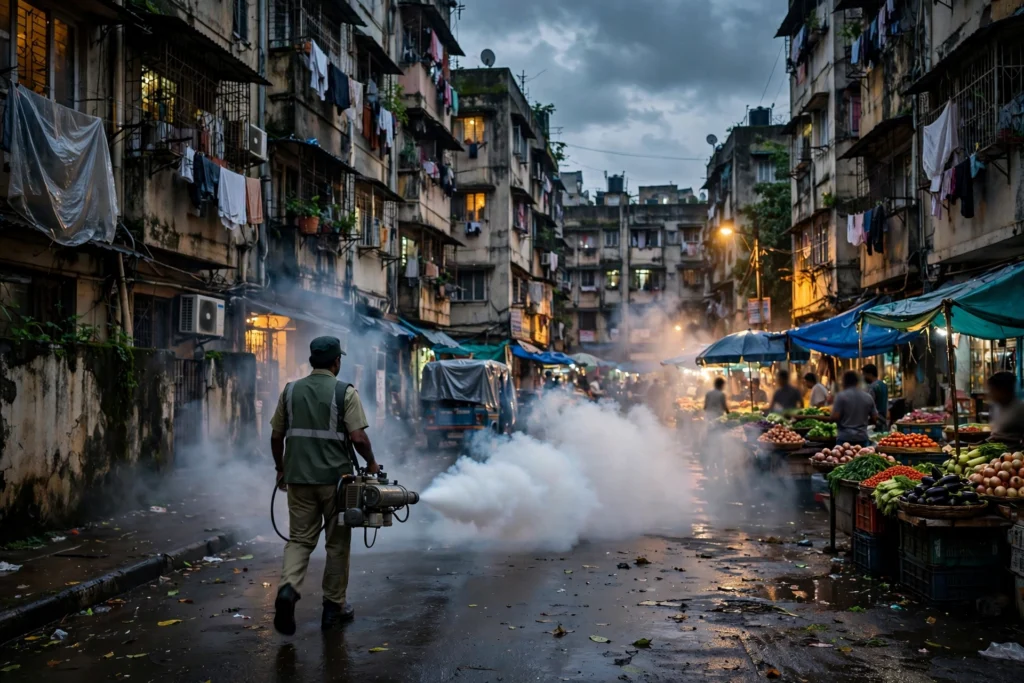
To fight the surge, the BMC says it surveyed 52.51 lakh residents from 11.22 lakh households across the city. Health workers collected 63,837 blood samples, ran 342 medical camps, and identified 6,310 mosquito breeding spots after inspecting over 10 lakh potential sites. Fogging was carried out in 45,266 buildings and nearly 7 lakh slum households.
But doctors are not celebrating yet
Even as the civic body reports a decline, doctors across the city say the severity of some infections this year is a growing concern. Patients are developing serious complications within a short period, they warn.
Dr Deepak Baid, founder of Nulife Hospital in Ghatkopar, told the Hindustan Times that around 80 percent of patients at his 50-bed multispeciality facility were being treated for fever-related illnesses. That is a staggering share, and it shows the real pressure behind the official case counts.
Doctors also warn that the October heat, combined with stagnant water at construction sites and household-level breeding in AC ducts and cooler trays, can keep mosquito breeding going well after the monsoon retreats. So the decline in numbers does not mean the risk is over.
Swine flu and other monsoon diseases
It was not just malaria and dengue troubling the city this season. H1N1 (swine flu) cases shot up from 71 last monsoon to 504 this monsoon, according to BMC data. There was some good news too:
- Gastroenteritis cases declined from 2,639 last year to 2,194 this year.
- Leptospirosis cases dropped from 549 to 286.
- Chikungunya cases fell sharply from 509 to 66.
- COVID-19 cases declined from 678 last year to 165 this monsoon.
During the Ganesh festival, the BMC ran medical camps across the city that recorded 84,208 citizens and collected 5,130 blood samples for malaria testing. Health-awareness material was distributed through Ganesh mandals to spread information about malaria and dengue prevention.
What the BMC is doing now
The civic body has ordered improved pest control operations and increased fogging across the city. Whenever a malaria or dengue case is identified, the BMC conducts a house-to-house survey of 500 homes surrounding the affected area, checking fever cases and their contacts, with thousands of blood slides taken each month to detect malarial parasites.
Positive malaria cases are closely monitored to ensure they receive complete treatment, while suspected dengue cases are referred to nearby dispensaries for further diagnosis. Harish Bandirge, chairperson of the BMC’s health committee, has also proposed that fever clinics at civic hospitals operate round the clock. Under his proposal, any severe case detected at a fever clinic would be directed straight to the hospital’s casualty ward for testing and admission.
Dr Gaikwad added that public health centres are equipped to treat patients suffering from malaria and dengue.
What you should do
Health officials say basic precautions go a long way in cutting mosquito-borne disease risk:
- Empty and scrub water containers, coolers and flower pots once a week. Aedes mosquitoes breed in clean, stagnant water.
- Check AC ducts, plant trays and terrace corners for standing water after rain.
- Use mosquito repellent, especially during early morning and late evening hours.
- Wear full-sleeve clothes if you are in an area with heavy mosquito activity.
- Do not ignore persistent fever. Get a blood test done at the nearest civic health centre or fever clinic.
Frequently asked questions
Is dengue still a risk in Mumbai this October?
Yes. The BMC says cases are declining compared with September, but nearly 1,000 dengue cases have still been reported in October so far. Mosquitoes breed in stagnant water, which is common at this time of year, so the risk continues.
What are the early symptoms of dengue and malaria?
Both diseases typically start with high fever, headache and body ache. Dengue often brings severe joint pain, rashes and nausea, while malaria frequently causes chills and sweating in cycles. Only a blood test can confirm either disease.
When should I see a doctor?
Doctors advise getting tested if a fever lasts more than two days, or sooner if there are warning signs like persistent vomiting, severe abdominal pain, bleeding gums, rashes or unusual fatigue. Pregnant women, children and the elderly should seek care without delay.
Are Mumbai’s civic hospitals equipped to handle these cases?
The BMC says its public health centres are equipped to treat malaria and dengue patients, and a proposal is on the table to run fever clinics at civic hospitals round the clock. Free testing is available at civic dispensaries and health centres.
Mumbai’s October dip is welcome news, but doctors say the season is not over. With the city’s health teams stepping up fogging and surveillance, the coming weeks will show whether the decline holds, or whether the mosquitoes have one more surge left in them.