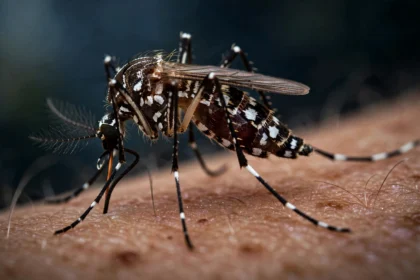
Kolkata, October 26: West Bengal is facing a late-season dengue surge that has caught hospitals and civic bodies by surprise. More than 5,500 new cases were reported in the first 23 days of October alone, according to state health department figures, turning what had been a quieter monsoon into a sharp autumn spike.
The timing is what worries doctors most. Cases stayed lower than average through the early monsoon months, then began climbing steeply from late September. By early October, Kolkata alone had recorded roughly 2,800 cases since January 1, including 1,270 fresh cases in just the final week of September. Health officials say the city saw about 15 percent more cases in the week of Durga Puja than in most other weeks of the year.
Murshidabad has the highest count, with Howrah and Kolkata among the worst-hit districts. In North Kolkata, the Cossipore-Belgachhia belt accounts for nearly a quarter of the city’s cases.
Why cases are rising now
Doctors point to the weather at the start of October. A sudden, though marginal, drop in temperature, combined with sporadic rain around the Puja period, created fresh breeding grounds for mosquitoes just as large crowds moved through the city. Stagnant water in containers, construction sites, discarded tyres and uncovered tanks gave the Aedes mosquito, which spreads dengue, plenty of places to breed.
Earlier in October, the state health department had already identified 14 gram panchayats and eight urban civic bodies as hotspots, most of them in Murshidabad.
For context, the late surge does not mean the whole year has been worse than last year. Till October 7, West Bengal had recorded 10,177 cases in 2026, compared with 12,652 in the same period in 2025. The concern is the speed of the recent rise, and that speed is what is filling outpatient clinics now.
What doctors want patients to watch for
Dengue usually begins with high fever, severe body ache, headache and pain behind the eyes. Doctors quoted in recent reports have urged people not to wait for the textbook picture alone. In some patients, the illness does not follow the usual pattern, and a normal platelet count in the first few days should not be taken as proof that it is not dengue, since platelet levels usually fall after about five days from the onset of fever.
That advice matters because early testing changes how a case is managed. A blood test helps doctors decide whether a patient needs close monitoring for warning signs such as persistent vomiting, abdominal pain, bleeding or a sudden drop in platelets.
- Do not ignore fever with severe body ache or headache, especially if it lasts more than two days.
- Get tested early rather than waiting for platelets to fall.
- Watch for warning signs: persistent vomiting, severe abdominal pain, bleeding gums or nose, and unusual tiredness.
- Do not take painkillers such as ibuprofen or aspirin on your own during a suspected dengue fever, as they can increase bleeding risk. Paracetamol is the usual advice, but follow your doctor’s guidance.
- Keep up fluid intake and rest, and seek hospital care promptly if warning signs appear.
What residents can do at home
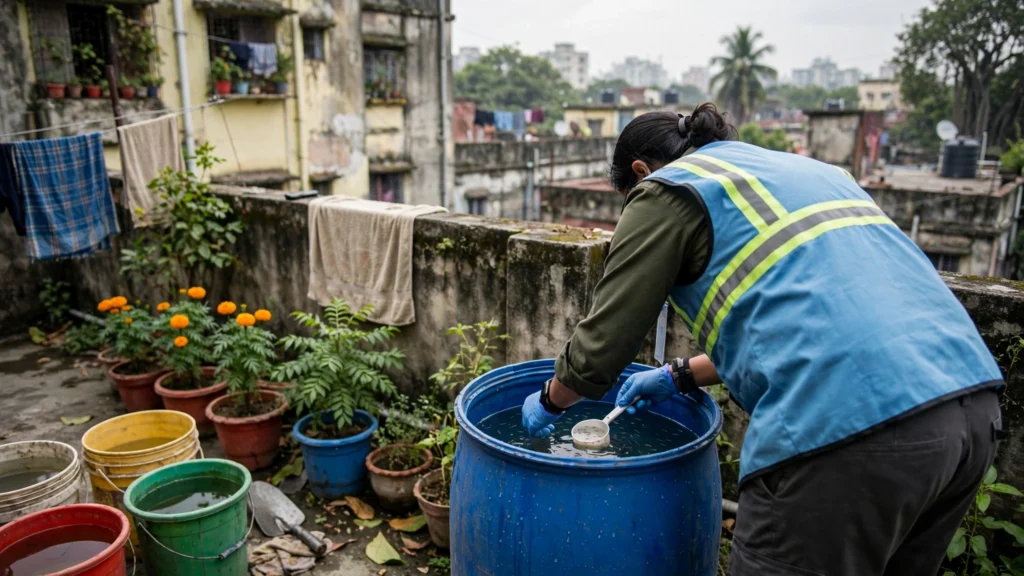
There is no shortcut around mosquito control. Civic teams can fog streets and spray larvicide, but the mosquito that spreads dengue breeds in clean, still water close to homes, often in places only residents can reach.
- Empty and scrub water containers, coolers, flower pot trays and fridge trays at least once a week.
- Cover overhead tanks, drums and buckets so mosquitoes cannot lay eggs in them.
- Clear tyres, coconut shells, broken pots and other junk that collect rainwater.
- Wear full-sleeved clothes in the morning and evening, when Aedes mosquitoes bite most.
- Use mosquito repellent and nets, and keep doors and windows screened where possible.
- Cooperate with civic inspection teams and report stagnant water or breeding spots to your local ward office.
Health officials have stressed that the response has to move on two tracks at once: hospitals must be ready for a rush of fever patients, and neighbourhoods must cut breeding sites before the next round of rain.
FAQs
How many dengue cases has West Bengal reported in October 2026?
More than 5,500 new cases were reported in the first 23 days of October, according to state health department figures.
Which areas are worst affected?
Murshidabad has the highest count, with Howrah and Kolkata among the worst-hit districts. In Kolkata, the Cossipore-Belgachhia area in North Kolkata accounts for nearly a quarter of the city’s cases.
Why did cases surge so late in the season?
Doctors link the rise to a sudden temperature drop and sporadic rain in early October, which expanded mosquito breeding grounds during the festive period, when crowds and movement were also high.
When should a fever patient get tested for dengue?
If high fever with body ache or headache lasts more than two days, get tested early. A normal platelet count in the first few days does not rule out dengue.
How can households prevent dengue?
Remove stagnant water weekly, cover all water storage, use repellent and full-sleeved clothes, and report breeding spots to the local ward office.
The late-season surge is a reminder that dengue season does not end with the monsoon. A weekly check of your own home, and an early test when fever strikes, remain the simplest defences Bengal has right now.