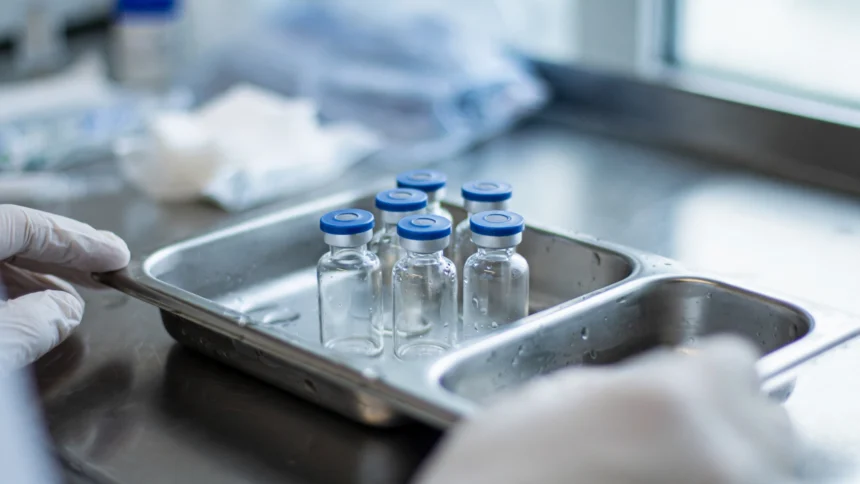
Delhi has moved to make sure that a shortage of anti-rabies vaccine never stands between a bite victim and treatment. The Municipal Corporation of Delhi has approved the purchase of 98,500 vials of anti-rabies vaccine, a decision aimed at keeping its hospitals and health centres stocked for the next two years.
The approval covers the remaining part of a larger two-year plan. In total, the civic body plans to arrange 1.20 lakh vials. Of those, 21,500 vials were already purchased in May this year. The latest approval is for the balance stock, so that treatment can continue without interruption as demand comes in through the year.
Anti-rabies treatment is time sensitive, and a patient should not have to travel from one facility to another looking for a vial.
What was approved
According to the civic body, the Municipal Corporation of Delhi has approved the procurement of 98,500 vials of anti-rabies vaccine to ensure timely treatment for victims of attacks by dogs, monkeys, cats and other animals. The plan is based on an estimated annual requirement of around 60,000 vials across the corporation’s healthcare facilities.
With 21,500 vials purchased in May 2026, the approval now granted covers the remaining 98,500 vials and takes the two-year total to 1.20 lakh. Officials said on Monday that the move was meant to ensure an uninterrupted supply at the facilities where bite victims seek care.
MCD Standing Committee chairperson Satya Sharma said providing timely treatment to victims of animal attacks is a priority for the corporation. She said adequate stocks were being ensured at MCD hospitals and health centres so that people in need do not face difficulties because of a shortage during treatment.
Where treatment will be available
The Municipal Corporation of Delhi provides treatment to animal bite victims at four hospitals and 25 health centres. Those 29 facilities are at the centre of the procurement plan, and the stock assessment was made after looking at their requirements.
The spread matters because bites do not follow office hours. Keeping vaccine available across hospitals and health centres reduces the time lost in finding care.
Why stock levels matter so much
Rabies is a viral disease that affects the central nervous system. Once clinical symptoms appear, it is almost invariably fatal. That stark fact is also the reason post-exposure care is treated as urgent. Timely medical care after exposure can prevent the disease from developing, which makes immediate treatment and preventive vaccination critical whenever a person is bitten or scratched by an animal that could carry the virus.
Stock planning is therefore not only about numbers on a purchase file. A vial that is available on the day of the bite is worth far more than the same vial arriving a week later. The two-year plan, with a clear annual estimate, is designed to avoid the gaps that can appear when purchases are made in small, reactive batches.
What to do after an animal bite
- Wash the wound immediately and thoroughly with soap and running water for several minutes. Do not apply chilli, turmeric, lime or other home remedies to the wound.
- Reach a hospital or health centre the same day, even if the bite looks minor or the skin is only scratched. A doctor will assess the wound and decide on vaccination and any other treatment needed.
- Tell the doctor clearly how the bite happened, which animal was involved, and whether the animal is known, owned or a stray.
- Complete the full course of treatment as advised. Do not stop midway because the wound looks better.
- Keep the vaccination card or treatment record safely, and carry it to every follow-up visit.
People who work outdoors or handle animals should also stay alert to scratches and licks on broken skin, not only obvious bites.
What happens next
With approval in place, the test will be practical: a patient who walks into an MCD hospital or health centre after a bite should find the vaccine there, without delay.
FAQs
How many anti-rabies vaccine vials has the MCD approved?
The Municipal Corporation of Delhi has approved the procurement of 98,500 vials. Together with 21,500 vials purchased in May 2026, the total planned supply for two years is 1.20 lakh vials.
Where can bite victims get treatment under the MCD?
Treatment is provided at four MCD hospitals and 25 health centres across Delhi. The procurement plan is based on the requirements of these facilities.
Why is the estimated annual requirement around 60,000 vials?
According to the civic body, that is the average annual requirement estimated from the needs of its hospitals and health centres over the two-year period.
What should a person do immediately after an animal bite?
Wash the wound thoroughly with soap and running water, and reach a hospital or health centre the same day. A doctor will assess the wound and advise on vaccination and follow-up care.
Is rabies preventable after exposure?
Timely medical care after exposure can prevent rabies from developing, even though the disease is almost invariably fatal once symptoms appear. That is why prompt treatment and completing the advised course matter.
Delhi’s message from this decision is straightforward. When it comes to anti-rabies treatment, preparation is the treatment. Stocking up now is how the city makes sure help is there on the day it is needed.