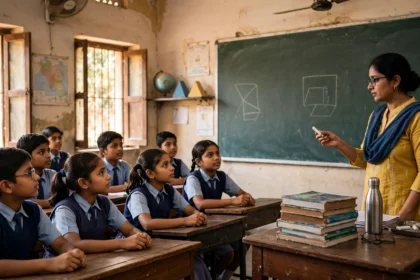
New Delhi: The National Council of Educational Research and Training (NCERT) is starting a five-day series of live interactive sessions from today, aimed at helping teachers build classrooms that work better for children with dyslexia and other specific learning disabilities. The sessions, being held as part of Dyslexia Awareness Month, begin on October 19 and will run till October 23, 2026.
Announced on NCERT’s official social media handle on October 17, the series is titled “Language and Numeracy-Friendly Classrooms for Learners with SLD”. Each session will run for 30 minutes, from 12:30 pm to 1:00 pm, and is open to everyone. Teachers, parents, educators, or anyone interested in inclusive education can join without any registration or fee.
What the sessions will cover
The five sessions focus on practical classroom strategies rather than theory. NCERT says the idea is to give teachers workable methods they can use in real classrooms, especially while teaching reading, writing and basic maths.
Specific learning disabilities, or SLD, include conditions like dyslexia (difficulty with reading), dysgraphia (difficulty with writing) and dyscalculia (difficulty with numbers). These children often struggle in regular classrooms, not because they lack ability, but because the teaching methods are not designed for how they learn.
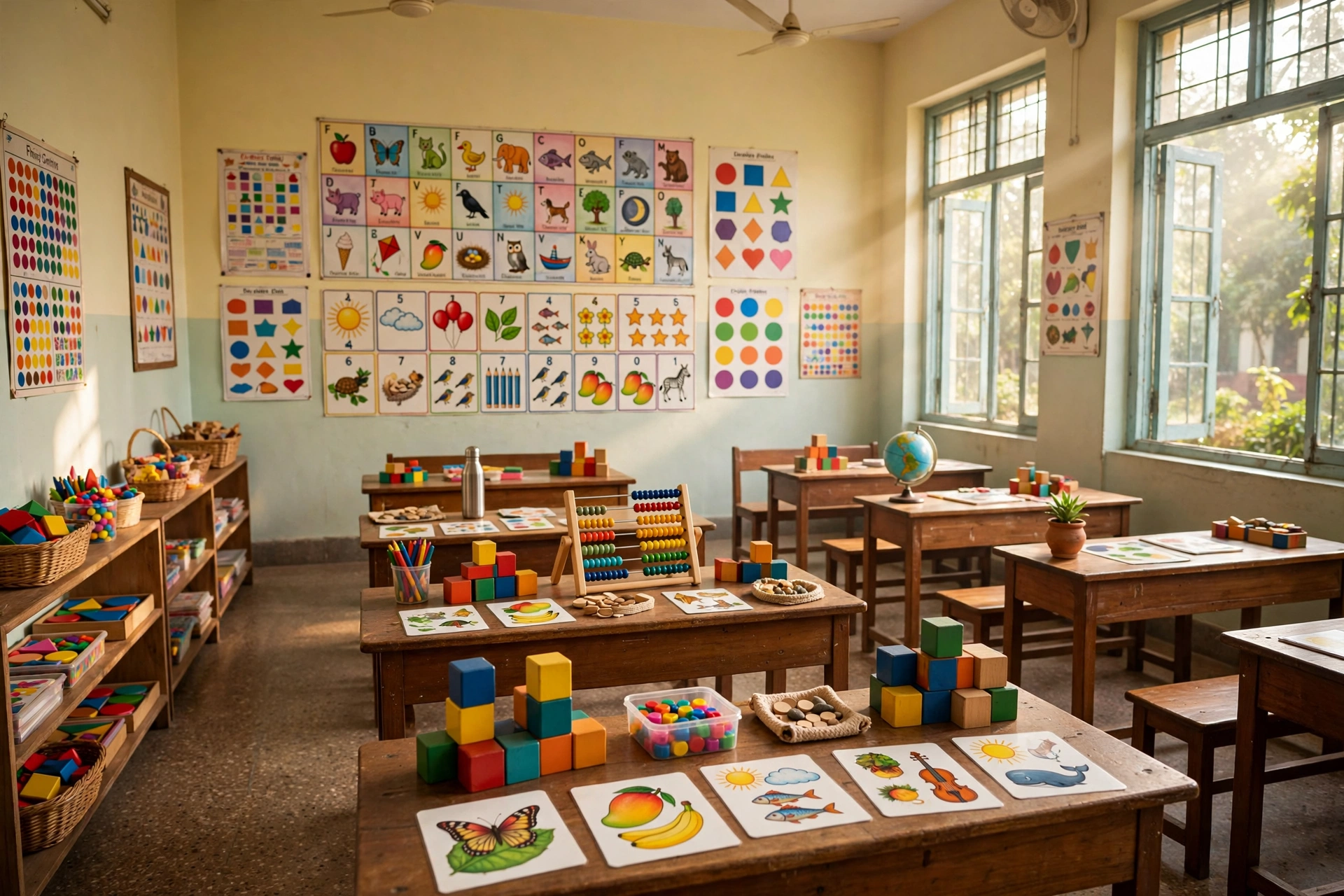
According to the announcement, the sessions will guide participants on how to create learner-friendly classrooms that support language and vocabulary development. The focus is on small, everyday changes in teaching style, classroom layout and learning materials that can make a real difference for students with SLD.
Dates, timings and where to watch
- Dates: October 19 to 23, 2026 (five consecutive days)
- Timings: 12:30 pm to 1:00 pm daily
- Where to watch: PM eVidya DTH ISL Channel 31, the NCERT Official YouTube channel, and the NCERT Events YouTube channel
- Registration: None required. The sessions are free and open to all
- Duration: 30 minutes per session
Who should attend and why it matters
While the sessions are primarily designed for teachers, NCERT has made it clear that anyone interested in inclusive education can take part. Parents of children with learning difficulties can pick up useful ideas, and school administrators can use the sessions to understand what support their teachers need.
Dyslexia is one of the most common learning disabilities among schoolchildren, yet it is widely misunderstood in India. Many children are labelled lazy or inattentive when they are actually dealing with a reading difficulty. Early recognition and the right classroom support can change the trajectory of a child’s education.
This is the second teacher-focused initiative from NCERT in recent days, after it announced a training programme for teachers who can teach multiple languages earlier this week. Together, the moves point to a clear push towards more inclusive classrooms under the National Education Policy framework.
A part of Dyslexia Awareness Month
October is observed globally as Dyslexia Awareness Month, a period dedicated to drawing attention to the learning needs of people with dyslexia and the importance of supportive educational practices. NCERT’s series fits into that larger effort, bringing the conversation from awareness to action.
The sessions are interactive in nature, which means viewers can follow along with the speaker and even take notes on classroom ideas that can be tried out the very next day. For teachers in remote areas, the DTH broadcast on PM eVidya Channel 31 is particularly useful, since it does not depend on internet connectivity.
FAQs
When do the NCERT dyslexia live sessions start?
The sessions start on October 19, 2026, and run for five consecutive days till October 23, 2026.
What time are the sessions held?
Each session runs daily from 12:30 pm to 1:00 pm.
Where can I watch the sessions?
The sessions stream on the PM eVidya DTH ISL Channel 31, the NCERT Official YouTube channel, and the NCERT Events YouTube channel.
Do I need to register to attend?
No. The sessions are free and open to all interested participants. You only need to join the live stream at the right time.
Who are the sessions for?
They are primarily for teachers and educators, but parents, school administrators and anyone interested in inclusive education can also attend.
For teachers looking to make their classrooms more inclusive, this week is a good time to tune in. Thirty minutes a day could change how a classroom works for a child who learns differently.