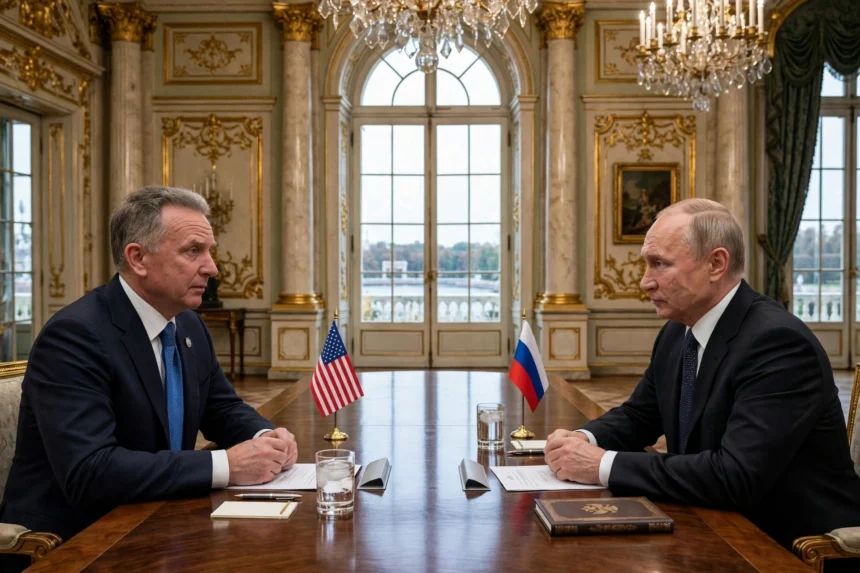
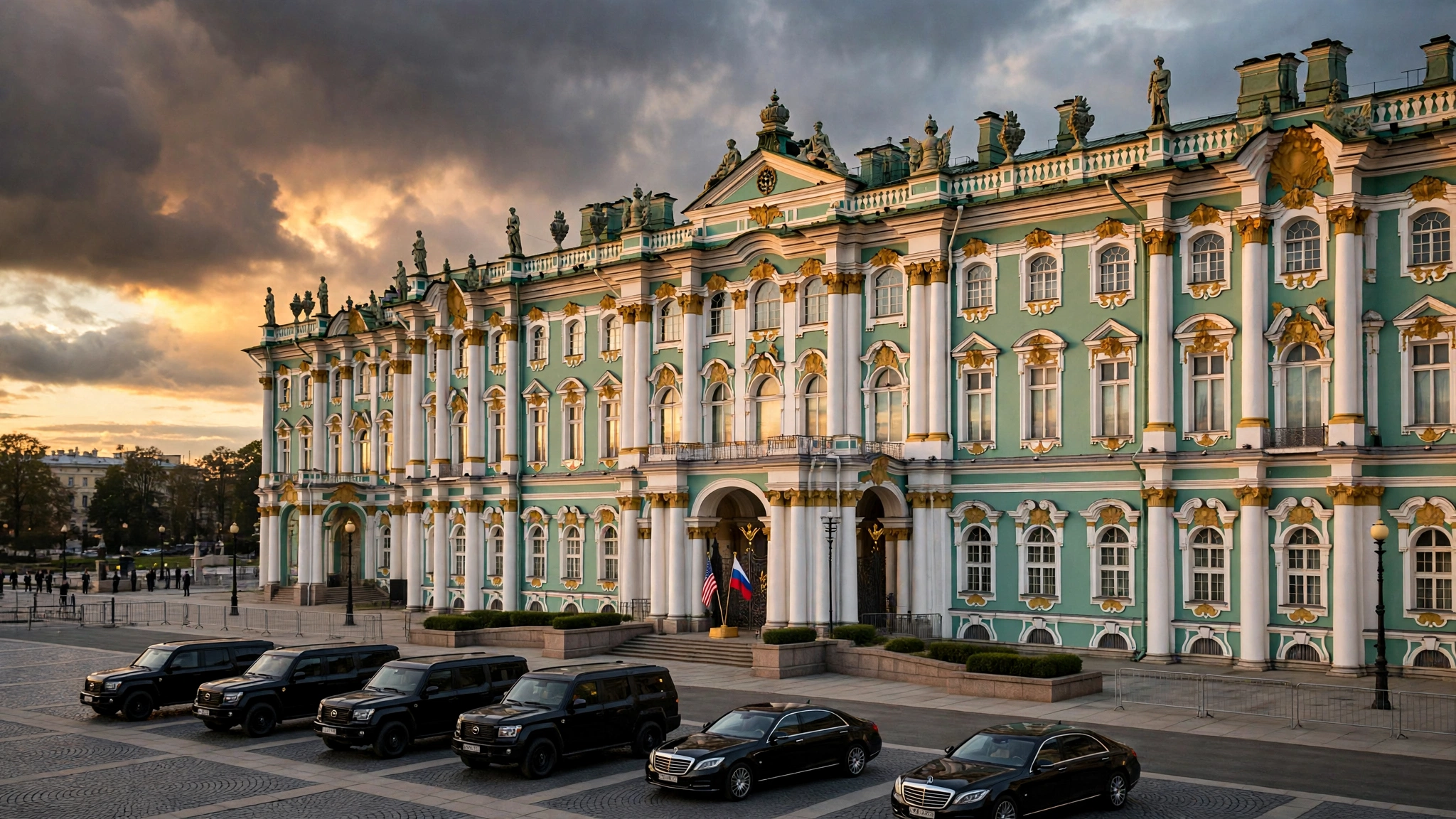
Steve Witkoff touched down in St. Petersburg on Wednesday morning with what the White House is calling its best shot yet at stopping Europe’s biggest war since 1945. The US special envoy was met on the tarmac at Pulkovo Airport by Kirill Dmitriev, the Kremlin’s point man on economic outreach, and drove straight into the first half of the day’s agenda: a face-to-face with Vladimir Putin carrying an updated peace proposal for Ukraine.
The meeting comes less than 24 hours after Witkoff sat across from Volodymyr Zelensky in Oslo, where the Ukrainian president, Norwegian and Finnish leaders, and European and NATO representatives spent Tuesday thrashing out what a US official described as “meaningful progress” toward a shared framework. Now that framework travels to Russia, and Washington will finally learn whether Moscow is ready to talk seriously.
From Oslo to St. Petersburg: how the relay worked
The choreography was deliberate. Rather than arriving in Russia with an American wishlist, Witkoff carried ideas that Kyiv and its European backers had, at least in outline, signed off on. A senior US official told reporters the two sides reached “strong alignment” on next steps after Ukraine brought forward what were described as new proposals in the Norwegian capital.
According to reports, the Oslo discussions covered the three pillars of what the Trump administration is calling a comprehensive peace framework:
- Security guarantees for Ukraine designed to make sure Russia cannot invade again.
- A post-war economic and prosperity plan for Ukraine’s recovery.
- A broader European security architecture meant to lock in lasting stability on the continent.
The White House said Witkoff would aim to “create a pathway toward direct trilateral and broader multilateral negotiations” involving Ukraine, Russia and the United States. Zelensky has publicly called for exactly that: a three-way meeting with Putin and Donald Trump. Moscow has so far refused the format.
Trump’s warning to Zelensky
The diplomacy unfolded against a blunt message from Washington. On Monday, Trump said he believed Russia wanted a deal but openly questioned Ukraine’s willingness to end the war, telling Zelensky that “it’s time to make a deal” and warning of serious consequences if no agreement is reached.
The pressure on Kyiv is not only verbal. Trump son-in-law and adviser Jared Kushner, who joined the Oslo talks remotely and was expected to join the Putin meeting the same way, has been pushing Ukraine to halt its strikes on Russian oil refineries. Axios reported that Kushner was “very direct” on the point; Zelensky reiterated that Ukraine would stop if Russia took reciprocal steps.
The administration has also been softening the economic ground. Washington agreed to ease restrictions on Russian diesel sales, a move welcomed in Moscow, and held off on new sanctions, decisions that drew bipartisan criticism in Congress and unease in European capitals. The bet is that the goodwill will be repaid at the negotiating table.
The battlefield does not wait
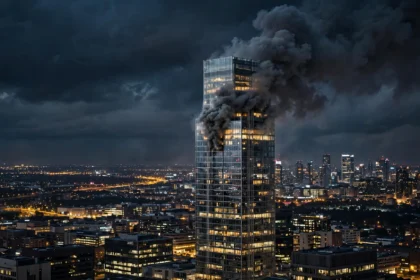
While diplomats talk, the war continues to exact its toll. Overnight Russian strikes killed at least four people across Ukraine, according to officials. Energy facilities were hit in the Kyiv, Volyn, Odesa and Mykolaiv regions, a drone barrage struck a 24-storey residential tower in Kyiv, and two elderly people were killed in the Kharkiv region. Ukrainian reports counted 98 drones and six missiles in the latest overnight barrage.
It is the gap between the conference rooms and the front lines that makes Wednesday’s meeting so closely watched. Ukraine’s red lines, restated to Washington this week, remain firm: credible security guarantees and no territorial concessions, including the Donbas region, most of which is under Russian control and which Moscow demands in full along with a shrunken Ukrainian military and a promise Kyiv never joins NATO.
What happens next
Kremlin officials have been careful with expectations. Kremlin aide Yury Ushakov said talks on the conflict were “the main focus” of Wednesday’s meeting but added that he did not know whether any agreement would be reached. Foreign Minister Sergei Lavrov said Russia would listen to what Witkoff brings but ruled out major political concessions.
If the meeting produces movement, the next step could be the trilateral format Zelensky has been demanding. If it stalls, it joins a long list of rounds that did not end the war. Either way, Witkoff’s shuttle now heads back west with Moscow’s answer, and the diplomatic relay that began in Oslo will have its first real test.
FAQs
Who is Steve Witkoff?
Steve Witkoff is President Donald Trump’s special envoy, tasked with leading US diplomatic efforts to end the war in Ukraine. A New York real estate figure before entering public service, he has become the administration’s main channel to both Kyiv and Moscow.
Why did Witkoff go to Russia on October 21?
He travelled to St. Petersburg to present Vladimir Putin with an updated peace proposal, freshly shaped by talks with Zelensky and European allies in Oslo the previous day.
What did the Oslo talks achieve?
A US official said the talks made “meaningful progress” toward a coordinated approach, with Ukraine presenting new proposals on security guarantees, a post-war economic plan and European security.
What does Trump want from Ukraine?
Trump has warned Zelensky that “it’s time to make a deal,” suggesting Washington’s patience with open-ended fighting is wearing thin and that a negotiated settlement should come soon.
Could this lead to direct peace talks?
That is the White House’s stated goal: using Wednesday’s meeting to open a pathway to direct negotiations between Ukraine, Russia and the US. Russia has not yet agreed to a trilateral format.
The coming days will show whether this diplomatic relay turns into real negotiations or another round of talks that lead nowhere. Informeia will keep tracking the story as it develops.