
New Delhi: The Centre has proposed making Advanced Emergency Braking Systems (AEBS) compulsory in passenger cars, a move that could reshape how vehicles are built and sold in India over the next decade. The Ministry of Road Transport and Highways published a draft notification in the Gazette of India on October 21, and it has now invited objections and suggestions from the public before the rules are finalised.
Under the proposal, every new car model sold in India will need to be equipped with AEBS from October 1, 2030. Car models that are already in production will get an extra two years and must comply from October 1, 2032. The systems will have to conform to Automotive Industry Standard (AIS)-185, the national technical benchmark for emergency braking.
What AEBS actually does
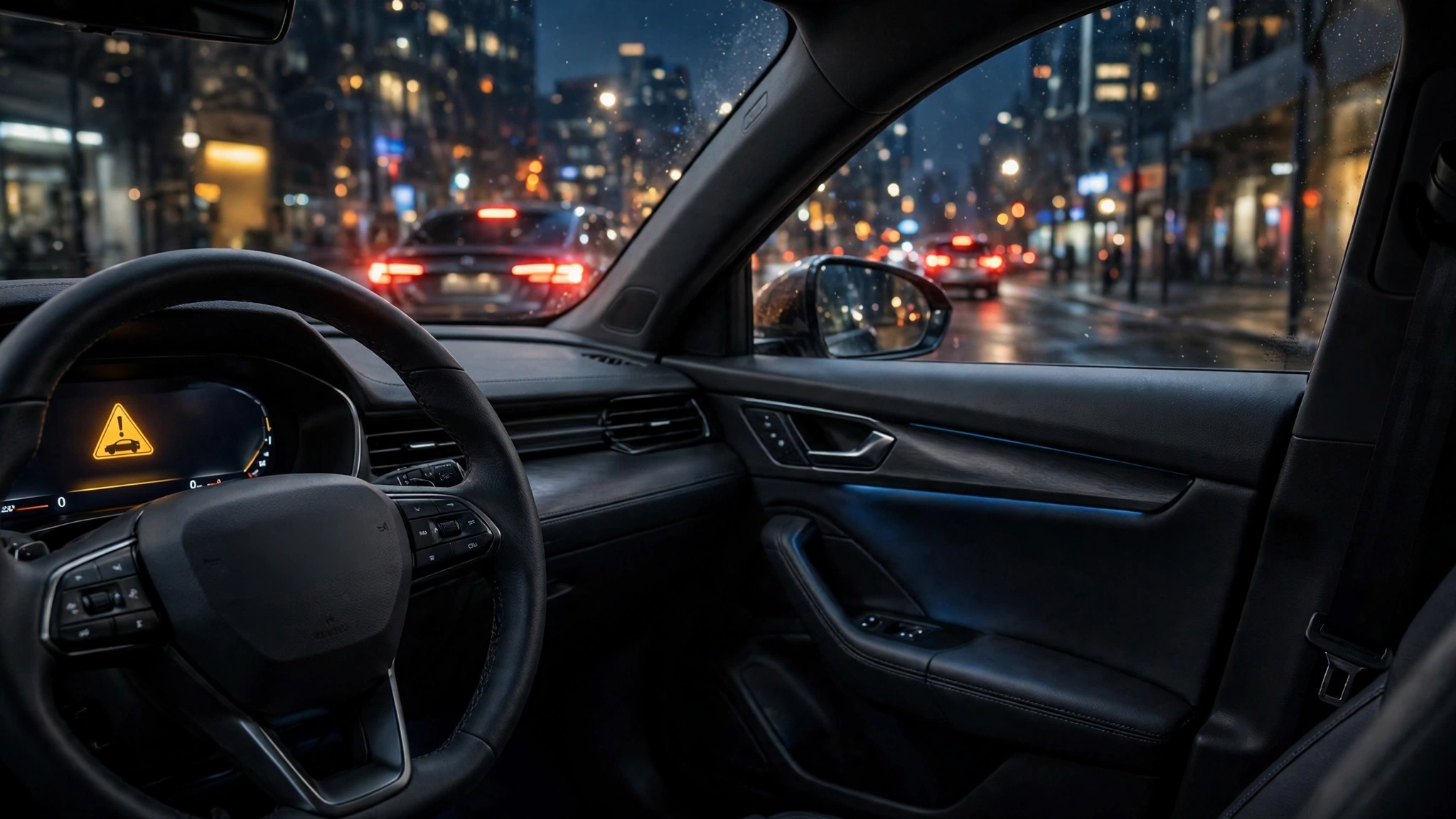
An Advanced Emergency Braking System uses radar, cameras, or a combination of both to watch the road ahead. If it senses an impending collision with a vehicle or an obstacle and the driver does not react to the warning, the system applies the brakes on its own. The idea is simple: either the crash is avoided entirely, or its impact is reduced enough to save lives.
The technology is already offered as part of advanced driver assistance packages on several premium cars in India. Making it mandatory across every segment, from entry-level hatchbacks to luxury SUVs, would take the feature from a premium add-on to standard equipment.
Trucks get tighter norms sooner
The draft does not stop at passenger cars. The ministry has proposed a revised braking standard for medium and heavy-duty vehicles that would come into effect from October 1, 2027. Electronic Stability Control (ESC) systems conforming to AIS-162 will also become mandatory for trucks from the same date.
ESC detects when a vehicle is losing control and selectively applies the brakes to individual wheels, particularly during sudden turns and cornering. The technology is designed to reduce skidding and rollover incidents, a major cause of highway fatalities involving heavy vehicles.
More rules for taxis and commercial cars
Commercial passenger vehicles will face their own set of deadlines. Taxis and other M1-category vehicles registered as transport vehicles must have an Emergency Lane Keeping System (ELKS) under AIS-191 from October 1, 2029. They will also need Automatically Commanded Steering Functionality (ACSF) under AIS-193 and a Driver Drowsiness and Attention Warning System under AIS-184.
Private cars will need to meet those same standards from October 1, 2027, but only if the manufacturer chooses to fit the systems. The hard mandate for AEBS in private cars arrives in 2030 and 2032.
Why the government is pushing this now
Road safety has been one of Road Transport and Highways Minister Nitin Gadkari’s signature themes. Addressing an event organised by ICICI Lombard recently, Gadkari said the government was targeting a 50 per cent reduction in road accidents and fatalities by 2030. He also flagged changing public behaviour and enforcing traffic laws as the two biggest challenges.
The urgency is backed by grim data. Government figures showed that road accidents in India increased 5.3 per cent to more than 5.13 lakh in 2025. Crashes claimed 21 lives every hour on average, with 59 accidents recorded every hour. The ministry has also identified 100 districts with high accident rates for urgent intervention, including measures to fix accident-prone locations known as black spots.
What happens next
The draft amendments will be taken up for consideration after 30 days from the date on which copies of the notification, as published in the Gazette, are made available to the public. Automakers, suppliers, road safety groups, and ordinary citizens can all send in their comments during this window.
If finalised on schedule, the mandate would put India in step with global markets where automatic emergency braking is already standard or heading that way. For buyers, it could mean that the cheapest car on the lot in 2032 carries safety technology that was once reserved for luxury vehicles.
FAQs
When will emergency braking become mandatory in Indian cars?
New car models must have AEBS from October 1, 2030, and all models already in production must comply from October 1, 2032, under the draft proposal.
What is AEBS and how does it work?
AEBS uses radar or cameras to detect a possible collision ahead. If the driver fails to react to the warning, the system brakes automatically to avoid or reduce the impact of a crash.
Which vehicles does the proposal cover?
It covers M1-category passenger cars, with separate deadlines for taxis, medium and heavy-duty trucks, which must get revised braking standards and ESC from October 1, 2027.
Can the public comment on the draft rules?
Yes. The ministry has invited objections and suggestions, which will be considered after 30 days from the notification’s publication in the Gazette of India.
Why is the government making this mandatory?
India recorded over 5.13 lakh road accidents in 2025, claiming 21 lives every hour. The government aims to cut accidents and fatalities by 50 per cent by 2030.
The draft is open for public feedback for now, and the final shape of the mandate will depend on the responses the ministry receives. Informeia will track this story as it develops.