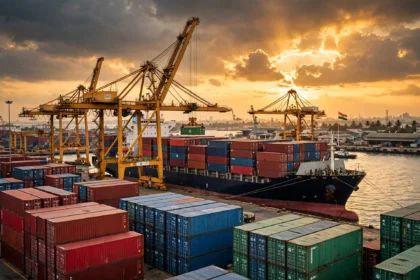
The Centre has given importers two more months to bring in duty-free raw sugar, extending the deadline for imports under the existing tariff rate quota (TRQ) to December 31, 2026. The earlier cut-off was October 31, and the extension is aimed at shoring up domestic supplies during the festive season, when demand for sugar peaks across the country.
Under the scheme, up to 10 lakh tonnes of raw sugar can enter India without basic customs duty. The quantity has not changed. Only the window has moved, giving traders and refiners more time to use the quota if global prices turn favourable.
What exactly has changed
The government first opened the duty-free window on August 20, 2026, allowing imports of one million tonnes of raw sugar under the TRQ. A finance ministry notification has now pushed the last date to December 31, 2026. The Directorate General of Foreign Trade (DGFT) has amended the import policy condition to match, so the revised deadline applies across the board.
All other conditions stay the same. Importers still need TRQ allocations from the DGFT, authorisations are issued electronically, and the concessional imports are permitted only after the authorised quantity is debited in the customs system. The duty exemption covers raw sugar under tariff heading 1701, and the total duty-free limit remains capped at 10 lakh tonnes.
Why so little has been imported so far
Take-up of the quota has been slow. Industry data show only around 2.6 lakh tonnes of raw sugar has arrived so far, roughly a quarter of the permitted quantity. Industry sources say imports have stayed subdued because of a lack of price parity: at current international prices, imported sugar has not been competitive enough against domestic supplies to make large shipments worthwhile.
The extra two months are therefore a bet on timing. If world prices ease in the coming weeks, importers will have room to move quickly. If they do not, the quota will simply lapse unused, and the government will have lost nothing by keeping the window open.
Why supplies are tight this year
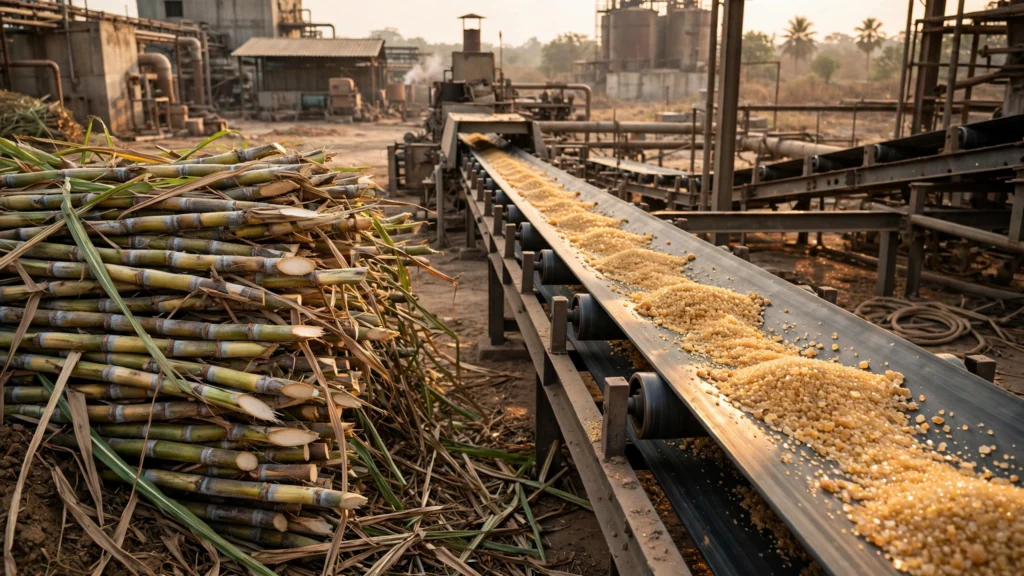
The extension comes against a tighter domestic supply picture. Sugar production for the 2025-26 marketing year, which runs from October to September, is now estimated at 306 lakh tonnes, down from an earlier forecast of 343 lakh tonnes. Annual domestic demand is pegged at 280 to 285 lakh tonnes, leaving a much thinner cushion than first expected.
Alongside the import window, the government has used other levers to keep the market steady. It has imposed stockholding limits on traders to ensure adequate availability and to prevent prices from running ahead during the festive rush. The message from New Delhi is consistent: supplies will be watched closely, and hoarding will not be allowed to tighten the market further.
What it means for consumers and industry
- For households: the extension is designed to keep retail sugar prices stable through the festive season, when sweets and festive foods push consumption higher.
- For refiners: raw sugar imports feed refineries that process it into white sugar, so a longer window means more flexibility on sourcing.
- For traders: the stockholding limits remain in force, so the extra import time does not come with freedom to pile up stocks.
- For sugar mills: domestic producers face no new competition beyond the existing 10 lakh tonne cap, which is unchanged.
For now, the practical effect is modest. With only 2.6 lakh tonnes imported so far, the extension matters most if global prices fall in November or December. Until then, it functions mainly as insurance: a safety valve the government can point to if festive demand strains supplies.
Frequently asked questions
What is the new deadline for duty-free raw sugar imports?
December 31, 2026. The earlier deadline was October 31, 2026.
How much raw sugar can be imported duty-free?
Up to 10 lakh tonnes (one million tonnes) under the tariff rate quota. The quantity has not been increased.
When was the duty-free window first opened?
On August 20, 2026, through a government notification allowing TRQ imports of raw sugar.
Why has so little been imported so far?
Industry sources point to a lack of price parity: international prices have not been low enough to make imports competitive with domestic sugar.
What else is the government doing on sugar supplies?
It has imposed stockholding limits on traders to keep supplies adequate and prices in check during the festive season.
The sugar market will now watch two things: world prices over the next eight weeks, and whether the remaining quota gets used before the December 31 deadline. Either way, the government has bought itself time, and importers have a longer runway to act.