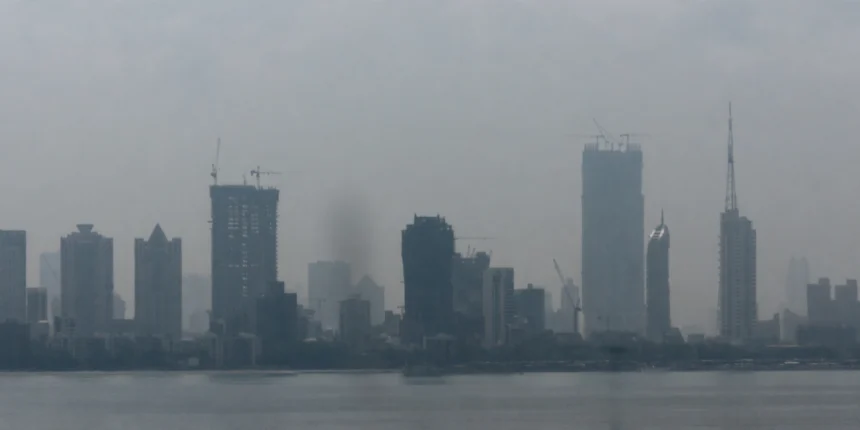
Mumbai woke up to a grey, heavy sky on Saturday, and the numbers explained why. The city’s Air Quality Index touched 322, putting it firmly in the very poor category, just as the festive season was gathering pace. On the same day, Delhi, a city far more used to pollution headlines, recorded an AQI of 176, in the moderate range, its cleanest October 24 reading in a decade. Two of India’s biggest cities, moving in opposite directions on the same morning, told the story of this winter’s air in a single contrast.
For Mumbaikars, the change felt sudden. The sea breeze had slowed, construction dust hung in the air, and a thick haze settled over the skyline. Residents reported headaches, sore throats and irritated eyes, and doctors advised children, older adults and people with asthma or heart conditions to limit time outdoors.
Why Mumbai’s air turned so poor
No single source caused Saturday’s spike. Monitoring data and official accounts point to a combination that built up over days. Construction activity across a city rebuilding roads, bridges and housing at full pace threw up fine dust. Slow wind speeds meant that dust had nowhere to go. Open burning of garbage added smoke at ground level, emissions from crop fires in surrounding regions drifted in, and residual smoke from firecrackers added to the mix.
That combination is hard to fix with one order, since still wind and burning elsewhere can bring the haze back by evening. Environmental groups have pushed for tighter checks at construction sites and an end to open garbage burning, while the Bombay High Court has described the situation as an emergency, pushing authorities to act more strictly against polluters.
Delhi’s surprise: a decade best October 24
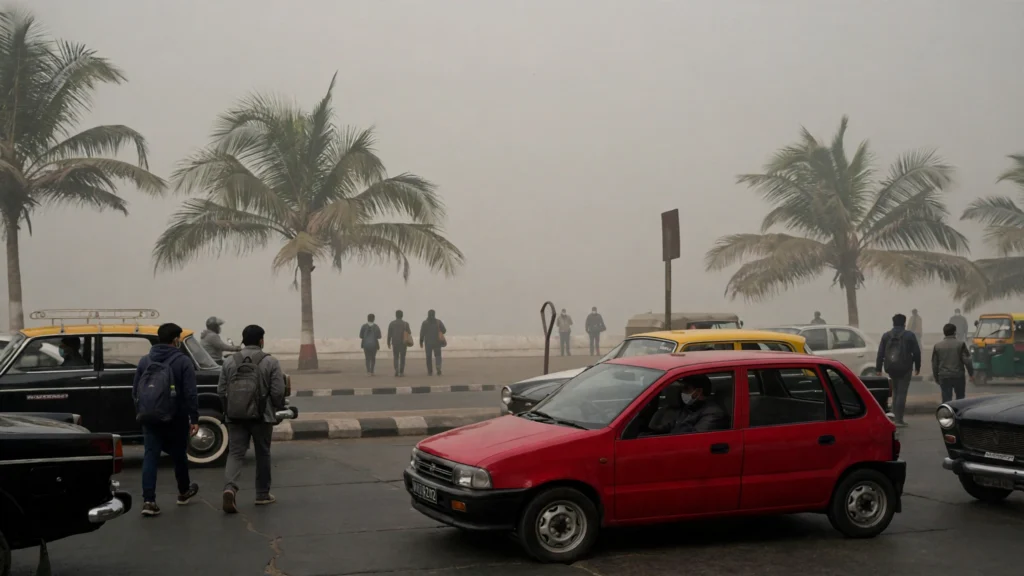
Delhi’s reading of 176 will not win any clean air award. Moderate air still irritates sensitive lungs, and it is far from the blue sky standard the capital wants. But in context, it is a genuine break from pattern. October 24 has, in recent years, usually marked the start of the capital’s slide into poor and very poor air as winter sets in. This year, the same date came in cleaner than it has in ten years.
Officials credit sustained work: mechanical sweeping of roads, removal of construction and municipal waste, and water sprinkling on dust prone stretches, plus technology to identify pollution hotspots. They are careful not to oversell it, though, warning that winter weather and stubble burning in neighbouring states could quickly reverse the gain. A single clean date does not mean a clean season.
What the two-city contrast really shows
Together, the two cities tell a useful story. Air pollution is no longer a Delhi only problem: coastal cities and fast growing metros face their own version, driven by local dust, waste burning and traffic as much as by distant farm fires. Basic enforcement works when sustained, as Delhi’s reading followed weeks of road cleaning, not a last minute announcement. And weather still holds the deciding vote, since slow winds can undo good work in a day, which is why experts call for year round control rather than a winter only campaign.
For families, health experts suggest limiting outdoor exercise during peak haze, keeping windows shut when the haze is thick, wearing a well fitting mask outdoors if you must step out, and watching for persistent coughing or wheezing. Check your own neighbourhood AQI, not just the city average. Children, pregnant women, older adults and anyone with a heart or lung condition should take the most care.
What happens next
The next test is the coming week. If Mumbai’s wind picks up, its AQI should ease toward poor or moderate; if it stays still and festive smoke builds, the city could stay unhealthy longer than expected. Delhi faces the familiar winter climb, and its early advantage will only matter if cleaning and hotspot monitoring continue after the headlines move on. Saturday’s numbers are an early warning, and whether either city keeps the lesson through winter will decide how many more such days follow.
FAQs
What was Mumbai’s AQI on October 24?
Mumbai recorded an AQI of 322, which falls in the very poor category, where air quality can cause breathing discomfort on prolonged exposure.
What was Delhi’s AQI on the same day?
Delhi recorded an AQI of 176, in the moderate category, its best October 24 reading in a decade.
Why did Mumbai’s air quality worsen?
Construction dust, slow wind speeds, open garbage burning, emissions from crop fires in surrounding regions and residual firecracker smoke combined to push pollution higher.
Who should take extra care on very poor air days?
Children, older adults, pregnant women and people with asthma, heart disease or other lung conditions are most vulnerable and should limit outdoor exposure.
Will Delhi’s air stay better through winter?
Not necessarily. Officials have cautioned that winter weather and stubble burning in neighbouring states could push Delhi’s AQI up again, so the October 24 reading is no guarantee for the season.
As the festive season continues, both cities face the same challenge: keep pollution control steady, not seasonal, so that one clean day in Delhi and one alarming day in Mumbai do not become the pattern for the winter ahead.