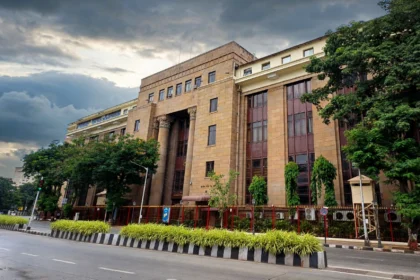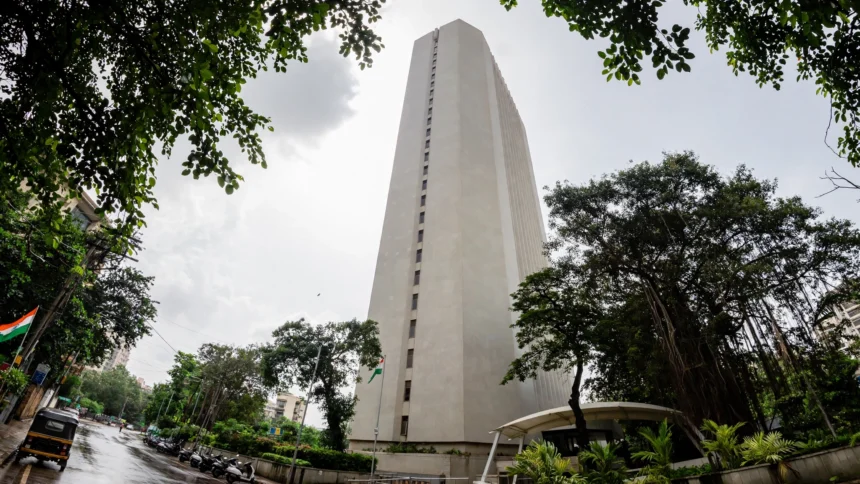
Borrowing in India may stay expensive for longer than many households had hoped. A Deutsche Bank report published on Tuesday expects the Reserve Bank of India to raise its key repo rate to 6.25 per cent by the first half of 2027, just three weeks after the central bank itself moved rates up. The message is that the tightening cycle that began this month is only getting started.
Deutsche Bank expects a 25 basis point rise in December 2026, followed by another 50 basis points in the first half of 2027. The maths is straightforward. The repo rate is 5.50 per cent after the Monetary Policy Committee raised it by 25 basis points on 7 October. Add the expected moves, and it reaches 6.25 per cent. Count the October rise as well, and the cycle totals 100 basis points. The report calls the view more hawkish than market consensus.
Why inflation is doing the talking
The report puts consumer price inflation at an average of 6 per cent in the October to December 2026 quarter, easing to 5 per cent in 2026-27 and 4.7 per cent in 2027-28. It also flags an upside risk: if domestic fuel prices are raised after Diwali, inflation could run hotter than expected.
Wholesale price inflation above 11 per cent is another warning sign. When wholesale costs stay that high, businesses eventually pass part of the increase to customers, turning a temporary supply shock into broader price rises. Household inflation expectations have also risen to 10 per cent from 8 per cent before the West Asia conflict, according to the report, which raises the risk of what economists call second-round effects.
Growth is strong, but the pace may cool
Deutsche Bank still expects real GDP growth above 7 per cent in both 2026-27 and 2027-28. That strength gives the central bank room to focus on prices without fearing an immediate growth shock. Growth may still moderate in the second half of 2026-27, the report says, because of higher oil prices, a below-normal monsoon and an adverse base effect from last year’s GST rate cuts.
The Reserve Bank itself raised its 2026-27 growth projection to 7.1 per cent on 7 October, up from 6.7 per cent.
The two views agree broadly on growth. Where Deutsche Bank goes further is on the interest rates needed to keep inflation in check while growth continues.
The rupee and the government’s finances
Recent Reserve Bank measures temporarily reduced dollar demand and helped the rupee recover to around Rs 94.50 against the US dollar, Deutsche Bank notes. Foreign exchange reserves have still fallen by around USD 60 billion from their early September peak of USD 786 billion, and the bank expects the rupee to weaken beyond Rs 97 per dollar during 2027 if the global environment does not improve meaningfully. A weaker rupee feeds back into inflation, because India imports most of its crude oil in dollars.
On the fiscal front, the bank expects the Centre to meet its deficit target of 4.3 per cent of GDP for 2026-27, helped by the Reserve Bank’s dividend and possible expenditure adjustments. Consolidation could get harder in 2027-28, it warns, because of elevated oil prices, higher subsidy needs and the cost of the 8th Pay Commission.
What this could mean for loans and savers
For borrowers, the message is to plan for higher, not lower, rates in the near term. Most new floating-rate home loans are linked to the repo rate and reset periodically, so a December rise would feed through at the next reset. Three rises, including October’s, would noticeably raise the cost of a long loan, whether the lender raises the EMI or stretches the tenure. Fixed-rate borrowers would see no change to an existing EMI, although a new loan would cost more.
Savers may see deposit rates edge up with a lag, although that is no windfall while inflation runs at the levels projected. None of this is settled: a forecast is not a decision, and the Reserve Bank will react to the data. If inflation cools faster, oil falls, or growth slows sharply, the path could change. For now, though, Deutsche Bank expects tightening to continue into next year.
FAQs
What repo rate does Deutsche Bank expect?
6.25 per cent by the first half of 2027, after a 25 basis point rise in December 2026 and a further 50 basis points in early 2027.
What is the repo rate today?
5.50 per cent, after a 25 basis point rise on 7 October 2026, the first increase since February 2023.
Why more rises?
Persistent inflation, wholesale inflation above 11 per cent, rising household expectations and growth above 7 per cent.
What inflation is projected?
6 per cent in October to December 2026, 5 per cent in 2026-27 and 4.7 per cent in 2027-28, with upside risk if fuel prices rise after Diwali.
What does it mean for home loans?
Floating-rate loans would reset higher over time, raising the EMI or lengthening the tenure. Fixed-rate loans already taken would be unaffected.
Households and investors will watch the December policy meeting closely, because Deutsche Bank expects it to be the next step on a longer climb.