
India’s largest homegrown electronics manufacturer wants a bigger slice of the artificial intelligence boom, and this time it is not about assembling phones. Dixon Technologies has said it is exploring silicon photonics and advanced semiconductor packaging, two high-end technologies that sit at the heart of modern AI data centres. The plans were outlined by the company’s top management during its second-quarter earnings call for fiscal year 2027, and reported over the last two days.
Known for building smartphones, TVs and appliances for other brands, Dixon now wants to make some of the sophisticated components that carry data inside AI servers themselves.
What Dixon is planning
According to the earnings call, Dixon is evaluating opportunities in three linked areas: silicon photonics, advanced packaging, and high-speed optical transceivers. Vice Chairman and Managing Director Atul Lall told analysts the company is attempting to bring this technology into India for servicing global markets.
Silicon photonics is a way of moving data using light instead of electrical signals. Inside an AI data centre, thousands of processors constantly exchange enormous volumes of information, and light-based connections can carry that traffic faster while using less energy. Advanced packaging, meanwhile, is the technique of combining several semiconductor components into a single, more powerful package, a step that has become critical as chips get more complex.
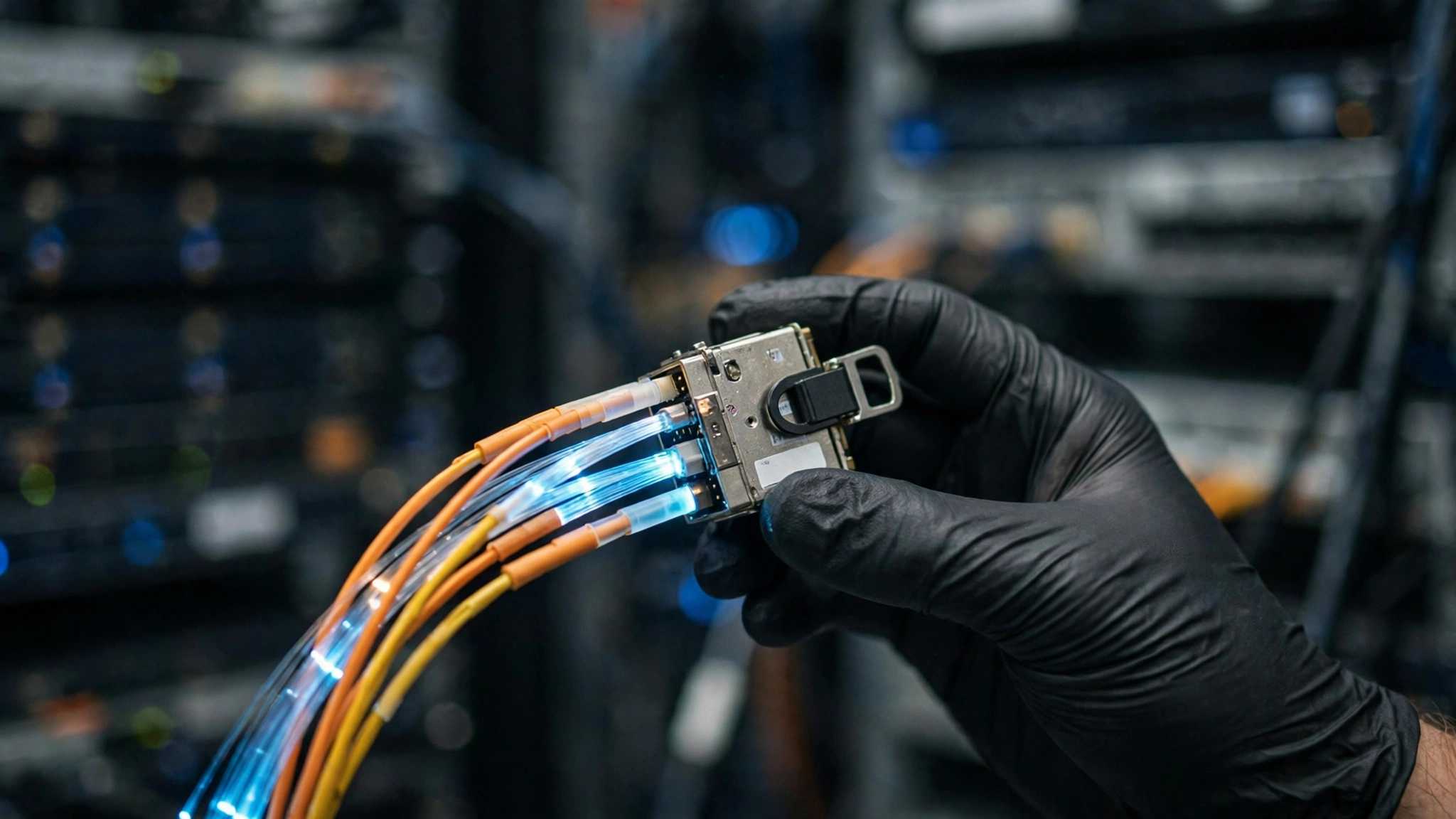
Dixon is looking at optical transceivers operating at 800G speeds and above. These are the small modules that convert electrical signals into light and back again, and they are essential plumbing for data centres and high-speed networks.
The Gemtek joint venture is already moving
One part of the plan is already concrete. On October 7, Dixon signed a joint venture agreement with Taiwan’s Gemtek Technology to manufacture optical transceivers and related telecom products in India. The venture will run through Dixon Electroconnect, with Dixon holding 60 percent and Gemtek the remaining 40 percent.
The joint venture will initially make small form-factor pluggable optical transceivers and bidirectional optical subassemblies for telecom networks, with higher-speed data centre products to follow. Trial runs are targeted for the fourth quarter of fiscal year 2027, and commercial production is planned for the following fiscal year. The transaction is expected to be completed by February 3, 2027, subject to closing conditions.
Reports add that the Gemtek project is covered by India’s Electronics Components Manufacturing Scheme, and its application has been approved. The separate advanced packaging effort, meanwhile, could be eligible for support under the India Semiconductor Mission 2.0 programme.
Early days, and Dixon is honest about that
It is important to keep the excitement in proportion. The company has discussed an initial development investment of around Rs 50 crore to Rs 60 crore for the first stage, but the broader expansion is still being evaluated. Dixon has not announced confirmed customer orders or a final manufacturing timeline for its silicon photonics and advanced packaging businesses.
That caution is normal for this kind of bet. Silicon photonics and advanced packaging need specialised talent and precision equipment, and customers qualify suppliers over long cycles.
Why this fits India’s bigger manufacturing story
Dixon’s push lands at a moment when India is trying to move beyond assembly into higher-value electronics manufacturing. The company already operates at serious scale: it is a major mobile phone manufacturer and exported smartphones worth almost Rs 5,500 crore last year.
What to watch next
- Trial runs in Q4 FY27: the Gemtek venture’s first trials will show whether the telecom-first approach works on schedule.
- Partnership announcements: Dixon has said it is pursuing other partnerships for silicon photonics and packaging. Names and deal structures will reveal how serious the push is.
- Customer orders: the real validation will come when a data centre or networking customer signs up, not before.
- Completion by February 2027: the Gemtek transaction closing is the nearest hard deadline on the calendar.
Dixon’s message to investors is clear enough: the company does not want to stay in the assembly lane while the most valuable parts of the AI boom pass it by. Whether silicon photonics becomes a genuine second engine or stays an experiment will depend on execution over the next year, and the market will be watching the trial runs closely.
FAQs
What is silicon photonics?
It is a technology that uses light, rather than electrical signals, to transfer data between chips and systems. It can move information faster and more efficiently, which is why AI data centres are adopting it.
What is Dixon Technologies planning?
Dixon is exploring silicon photonics and advanced semiconductor packaging for AI infrastructure, alongside high-speed optical transceivers of 800G and above, through partnerships and acquisitions.
What is the Gemtek joint venture?
Dixon signed an agreement on October 7 with Taiwan’s Gemtek Technology to make optical transceivers and telecom products in India through Dixon Electroconnect, with Dixon holding 60 percent and Gemtek 40 percent.
How much is Dixon investing initially?
Management has discussed an initial development outlay of around Rs 50 crore to Rs 60 crore, while the broader expansion remains under evaluation and no final commitment has been announced.
When will production start?
Trial runs for the Gemtek venture are targeted for the fourth quarter of fiscal year 2027, with commercial production planned for the following fiscal year. No confirmed customer orders have been announced yet.
Dixon’s move into AI components is one to follow through 2027, and we will update this story as trials and orders are confirmed.