Tata Motors and Iveco Group have started working as one combined enterprise, creating the world’s fourth-largest commercial vehicle group with annual revenue of about Rs 2.28 lakh crore. The announcement was made at a global press meet in Turin, Italy, on Tuesday, 3 November, a day after the reopened tender offer window opened for remaining Iveco shareholders.
For India, this is more than a big overseas deal. It puts an Indian truck maker at the centre of a global business spanning more than 130 countries, and it is Tata Motors’ biggest acquisition since it bought Jaguar Land Rover from Ford in 2008.
What was announced on 3 November
Tata Motors has acquired an 89.42 per cent stake in Iveco for nearly 3.43 billion euros, following the initial settlement of its voluntary cash tender offer. Under the offer, Tata Motors paid 14.4 euros per share in cash for Iveco’s common shares. Iveco Group has now become an indirect subsidiary of Tata Motors.
Tata Sons chairman N Chandrasekaran has been appointed chairperson and senior non-executive director of the combined entity, while Olof Persson continues as chief executive. Chandrasekaran told reporters in Turin that the ambition to become a global company had now become reality, and that the two businesses had complementary portfolios and geographic strengths.
The companies said the combined business ranks fourth globally among commercial vehicle makers by truck sales volumes in the above 6-tonne segment. Annual sales are estimated at around 590,000 vehicles, with combined revenue of about 21 billion euros, or roughly Rs 2.28 lakh crore.
The scale of the combined group
The numbers explain why this deal matters beyond the headline price. Put together, Tata Motors and Iveco bring a footprint that few truck makers in the world can match:
- Operations in more than 130 countries across Europe, India, South America, Asia, the Middle East and Africa
- 27 manufacturing facilities and 25 research and development centres
- Around 9,300 sales and service locations
- More than 73,000 employees across six continents
- Annual sales of approximately 590,000 vehicles
Iveco alone employs around 33,000 people and operates 16 industrial sites and 22 research and development centres. Tata Motors brings its own large Indian manufacturing and dealer base to that network.
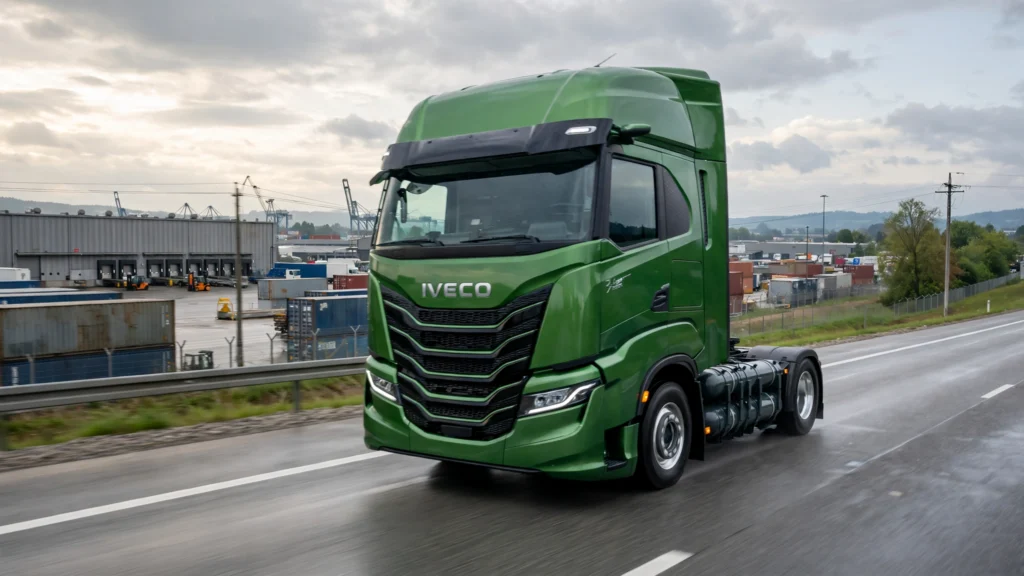
Two portfolios that fit together
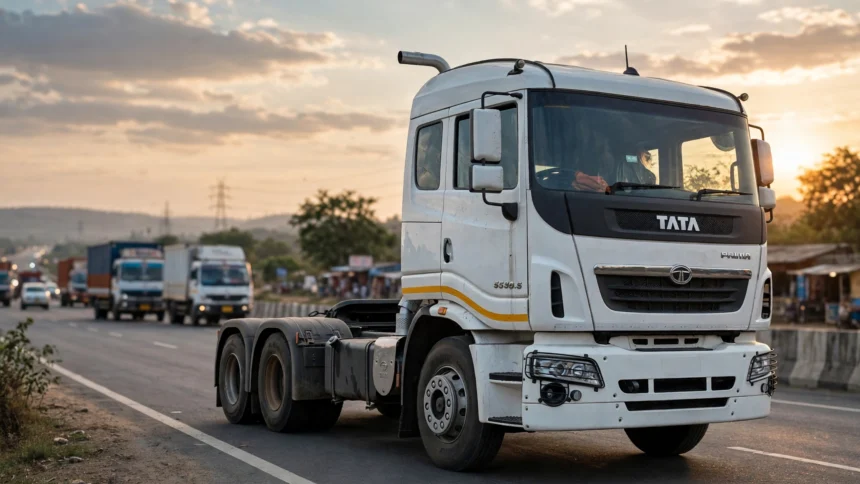
The logic of the deal rests on how little the two product ranges overlap. Tata Motors’ commercial vehicle portfolio runs from sub-1-tonne cargo vehicles to 55-tonne trucks, along with mass-mobility solutions seating between 10 and 51 passengers. That covers the small trucks, pickups and buses that keep Indian cities and highways moving.
Iveco adds light, medium and heavy commercial vehicles, plus city and intercity buses, with a strong presence in Europe and Latin America. Its powertrain business, FPT, serves on-road, off-road, marine and power-generation applications. Together, the companies say, the combined powertrain portfolio spans conventional engines, natural gas, battery-electric, hydrogen and other low and zero-emission technologies.
What happens next for shareholders
The deal is not fully closed for every shareholder yet. The acceptance period for the voluntary tender offer reopened for five trading days, from 2 November to 6 November 2026, giving remaining Iveco shareholders another chance to tender their shares at the same 14.4 euros per share. Settlement of shares tendered in this reopened period is scheduled for 13 November.
Company leaders have also pointed to cross-market opportunities as the next step. Iveco products could enter India, while Tata-branded vehicles could be introduced in markets where Iveco already has a strong presence.
Chandrasekaran said the combined entity sees volumes, revenue and margins increasing over the next five years, though no detailed market-by-market integration plan has been published yet.
Why it matters for India
A top-four global position changes the conversation for India. It gives Tata Motors direct access to European engineering and premium truck platforms, and it gives Iveco a manufacturing and cost base in one of the world’s fastest-growing truck markets.
The deal was first announced in July 2025. Just over a year later, the combined enterprise is already operating.
FAQs
What is the Tata Motors-Iveco deal?
Tata Motors has acquired an 89.42 per cent stake in Italy’s Iveco Group for nearly 3.43 billion euros, and the two companies began operating as a combined global commercial vehicle enterprise on 3 November 2026.
How large is the combined group?
It ranks fourth in the world among commercial vehicle makers by truck sales above 6 tonnes, with about 590,000 vehicles sold a year, revenue of around 21 billion euros (Rs 2.28 lakh crore), and operations in more than 130 countries.
Who leads the combined entity?
N Chandrasekaran, chairman of Tata Sons and Tata Motors, has been appointed chairperson and senior non-executive director of Iveco Group, while Olof Persson continues as chief executive.
Can remaining Iveco shareholders still tender shares?
Yes. The tender offer acceptance period reopened from 2 to 6 November 2026 at 14.4 euros per share, with settlement scheduled for 13 November.
Is this Tata Motors’ biggest deal since Jaguar Land Rover?
Yes. The companies and multiple reports describe it as Tata Motors’ largest acquisition since it bought Jaguar Land Rover from Ford in 2008.
Tata Motors and Iveco will now be watched closely for their first joint product and market moves, starting with how the combined group uses its new scale in India and Europe.