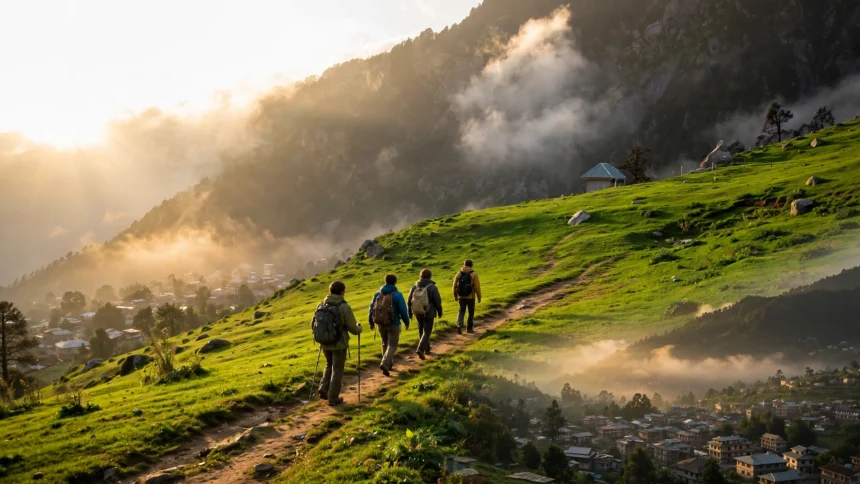
Forget Goa and Manali for a minute. When Indian travellers were asked where they want to go in 2027, the answer, in large numbers, was: somewhere quieter, smaller and less crowded. That is the headline finding of Agoda’s 2027 Asia Travel Pulse, published on 4 November 2026, and it puts India right at the front of Asia’s offbeat travel shift.
The survey covered 3,395 travellers across 11 Asian markets in September and October 2026. Among Indian respondents, 55 percent said they are likely to visit a lesser-known destination in 2027. The Asia average is 36 percent, which makes Indian travellers the most likely in the region to go off the beaten path.
Agoda’s country director for India, Gaurav Malik, summed it up as travellers becoming more intentional: offbeat destinations, outdoor adventures and spiritual journeys, with longer stays rather than rushed trips. The data backs that reading. Outdoor adventure is a key reason to travel for 42 percent of Indian travellers, placing India among the highest in Asia for adventure-led trips. Spiritual and religious journeys motivate 14 percent, a share that helps explain why temple towns and Himalayan retreats keep showing up in search data.
Pushkar, Dharamshala and Leh lead the search surge
The places travellers are actually searching for tell the story better than any survey percentage. Compared with the same period in 2025, Agoda’s accommodation searches in 2026 jumped sharply for three very different Indian destinations:
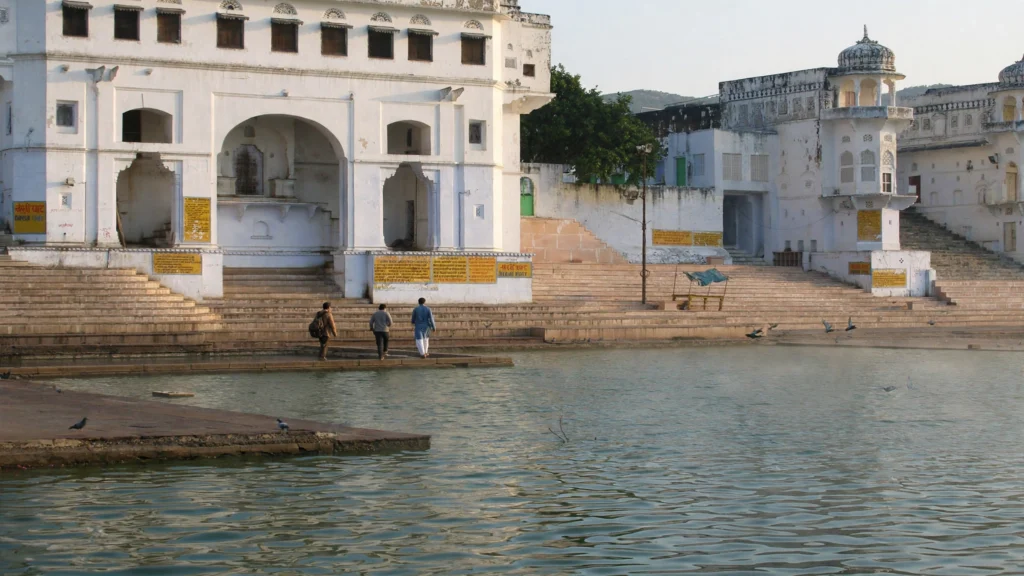
- Pushkar, up 195 percent: the small Rajasthan town saw a big jump in searches, especially around Holi, when its lake, ghats and desert-edge streets draw visitors from across India.
- Dharamshala, up 154 percent: the Himachal hill town, with McLeod Ganj just above it, blends mountain air, monasteries and trekking trails, and it remains closely linked with the Dalai Lama and the Tibetan community.
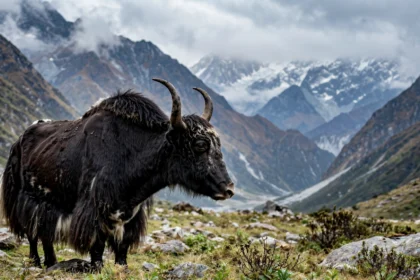
- Leh, up 143 percent: the high-altitude Ladakh town mixes the spiritual with the adventurous, from old Buddhist monasteries like Hemis and Thiksey to stark, high mountain terrain.
What connects the three is character, not size or fame. Pushkar is walkable and ritual-rich, Dharamshala is green and calm, and Leh is remote and dramatic. None is a generic beach-and-mall holiday.
Why the shift is happening now
Part of it is fatigue. Anyone who has queued for hours at a famous viewpoint, paid peak-season prices for an average room, or fought through a crowded old town knows the feeling. Smaller places promise the opposite: slower mornings, local food, a walk that does not feel like a traffic jam.
Part of it is value. Across Asia, travellers are planning fewer but longer trips, with 41 percent expecting to take one to three trips in 2027, up from 29 percent last year. Nearly three in four Asian travellers plan to spend 100 dollars or less per night on accommodation. When the trip is longer and the budget is watched carefully, a lesser-known town often gives you more for the same money: a better room, a homestay host who knows the trails, a meal that is not priced for tourists alone.
What this means for your 2027 trip
If you are planning around this trend, book early for the popular windows. Holi in Pushkar and the summer season in Leh and Dharamshala will fill up fast once a place starts trending, and the whole appeal of an offbeat trip fades if you arrive to find it packed. Plan for the place, not just the photo: Leh needs acclimatisation time at altitude and warm layers even in summer, Dharamshala rewards slow days and short treks, and Pushkar is best on foot, early in the morning. Ask a homestay host where to eat and which trail is open.
The wider Asia picture points the same way: 36 percent of travellers region-wide say they are likely to visit a less-crowded spot in 2027, and 53 percent now use AI to plan trips, up from 33 percent last year.
Put together, the picture for 2027 is of a choosier traveller: fewer trips, longer stays, clearer reasons to go. For India, the next big travel story may be a lakeside town in Rajasthan, a hill town in Himachal, or a high desert valley in Ladakh.
FAQs
What is Agoda’s 2027 Asia Travel Pulse?
It is Agoda’s annual travel trends report, published on 4 November 2026, based on a survey of 3,395 travellers across 11 Asian markets conducted in September and October 2026.
How many Indian travellers want offbeat destinations in 2027?
About 55 percent of Indian respondents said they are likely to visit a lesser-known destination in 2027, compared with an Asia average of 36 percent.
Which Indian destinations saw the biggest search growth?
Pushkar searches rose 195 percent, Dharamshala 154 percent and Leh 143 percent in Agoda’s 2026 accommodation search data compared with the same period in 2025.
When is the best time to visit Pushkar, Dharamshala or Leh?
Pushkar is popular around Holi in spring, Dharamshala is pleasant through the summer months, and Leh is best visited in summer when high passes are open. Check local conditions and permits before you travel.
So, if your 2027 list still starts with the usual suspects, this report is a nudge to look one town further. The crowds have not found these places yet. That is precisely why travellers want them now.