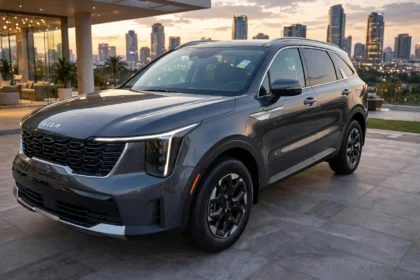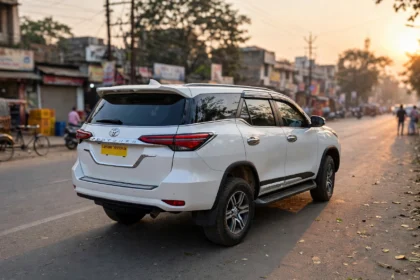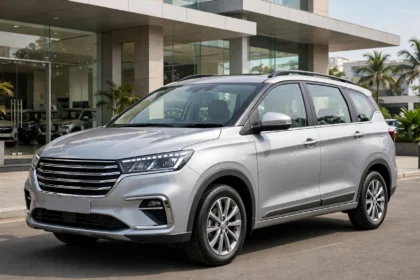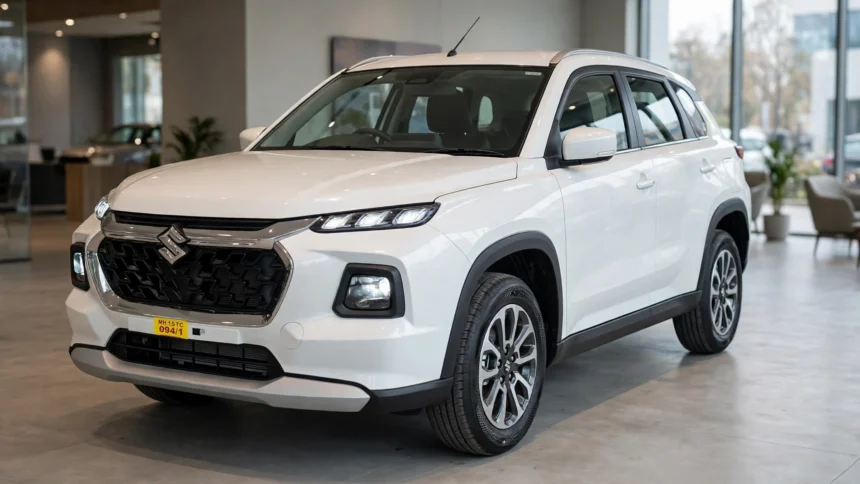
Maruti Suzuki sells more cars than any other company in India, and it has far more showrooms than Toyota. Yet when it comes to strong hybrids, Toyota is leaving it far behind. This week, Maruti finally explained why: the hybrid kits it needs come from Japan, and they take four to five months to arrive.
The admission came from Partho Banerjee, senior executive officer for marketing and sales at Maruti Suzuki India, during the company’s October sales briefing. Petrol SUVs can be ramped up quickly when demand rises, he said, but hybrid production cannot move at the same speed. “For hybrid, we have to wait because the kit comes from Japan,” Banerjee said, adding that the lead period is almost four to five months.
Maruti sells the Grand Vitara and the Victoris through separate Arena and Nexa channels, and both SUVs offer strong hybrid versions. Toyota sells the Urban Cruiser Hyryder and the Innova Hycross. Yet Toyota’s hybrid numbers are several times larger.
The numbers behind the gap
Registration data analysed by ElecTree from Vahan records shows how wide the gap has become. Between January and September 2026, combined strong hybrid registrations of the Victoris and Grand Vitara rose about 15 percent to 13,172 units, up from 11,439 units in the same period last year. That sounds like growth, until you look at the share. Total registrations of the two SUVs more than doubled to roughly 1.77 lakh in the same period, so hybrids accounted for only about 7 percent of the combined total, down from nearly 15 percent a year earlier.
Reported figures for the first half of the year tell the same story in sharper detail. During January to June 2026, Toyota is reported to have sold 18,577 Urban Cruiser Hyryder strong hybrids and 27,812 Innova Hycross hybrids, against 4,086 Grand Vitara hybrids, 3,231 Victoris hybrids and 1,418 Invicto hybrids for Maruti. In September, reported dispatch data showed the Hycross leading with 3,143 units, followed by the Hyryder at 2,830, while the Grand Vitara managed 1,067.
October underlines the point. Maruti dispatched roughly 17,000 Victoris SUVs and 11,000 Grand Vitaras in the month, across all engine options. Those are strong numbers for the two SUVs, and Maruti’s domestic SUV sales grew 68.2 percent year on year in the July to September quarter. But the hybrid share of that volume keeps shrinking, because every extra petrol car sold makes the hybrid slice smaller while kit supply stays fixed.
Why Maruti cannot simply order more
The problem is planning, not demand. A petrol SUV can be built from parts that are mostly sourced locally, so production can be adjusted in weeks. A strong hybrid kit, by contrast, has to be ordered from Japan four or five months in advance. If demand jumps suddenly, as it did during the festive season, Maruti cannot respond in time. By the time the extra kits arrive, the buying surge may already be over.
Maruti has not disclosed how many hybrid kits it receives from Japan each month, and it has not announced a date by which supplies will improve.
Toyota, meanwhile, faces no such bottleneck at the same scale. Its supply chain and production planning for the Hycross and Hyryder have kept pace with demand, which is why its hybrid volumes stay so far ahead.
What this means for buyers
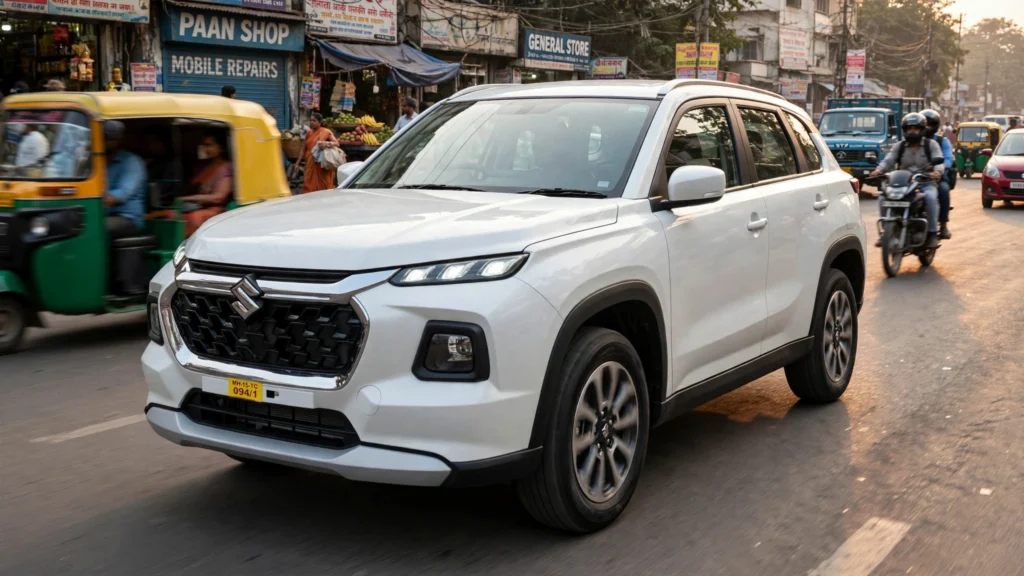
For anyone shopping for a midsize hybrid SUV this month, the choice is effectively between waiting and switching. The Grand Vitara hybrid and Victoris hybrid remain well regarded cars, but buyers should expect a wait, and should confirm the delivery timeline in writing before booking. The Hyryder, which shares much of its hybrid hardware with the Grand Vitara, is often available sooner.
The bigger question is whether Maruti will localise hybrid kit production. Local assembly would cut the lead time from months to weeks and let the company match supply to demand like it does with petrol models. Until then, the country’s largest carmaker will keep watching its smaller rival sell far more hybrids, not because buyers prefer Toyota, but because Maruti simply cannot build enough of them.
FAQs
Why is Maruti selling fewer hybrids than Toyota?
Maruti says the strong hybrid kits for its cars are imported from Japan and take four to five months to arrive, so it cannot raise hybrid production quickly when demand rises.
Which Maruti models offer strong hybrid versions?
The Grand Vitara, the Victoris and the Invicto all offer strong hybrid variants.
How big is the hybrid sales gap?
In the first half of 2026, Toyota sold 18,577 Hyryder hybrids and 27,812 Hycross hybrids, while Maruti sold 4,086 Grand Vitara hybrids, 3,231 Victoris hybrids and 1,418 Invicto hybrids.
What is Maruti’s hybrid share now?
Strong hybrids made up about 7 percent of combined Victoris and Grand Vitara registrations between January and September 2026, down from nearly 15 percent a year earlier.
Will hybrid waiting periods improve soon?
Maruti has not announced a date for better kit supply, so waiting periods for hybrid variants are likely to stay long for now.
Maruti’s hybrid problem is, at its core, a supply chain problem. The demand is there, the cars are good, and the festive season proved buyers want them. What the company needs now is a faster way to get the kits from Japan to its factories in India.