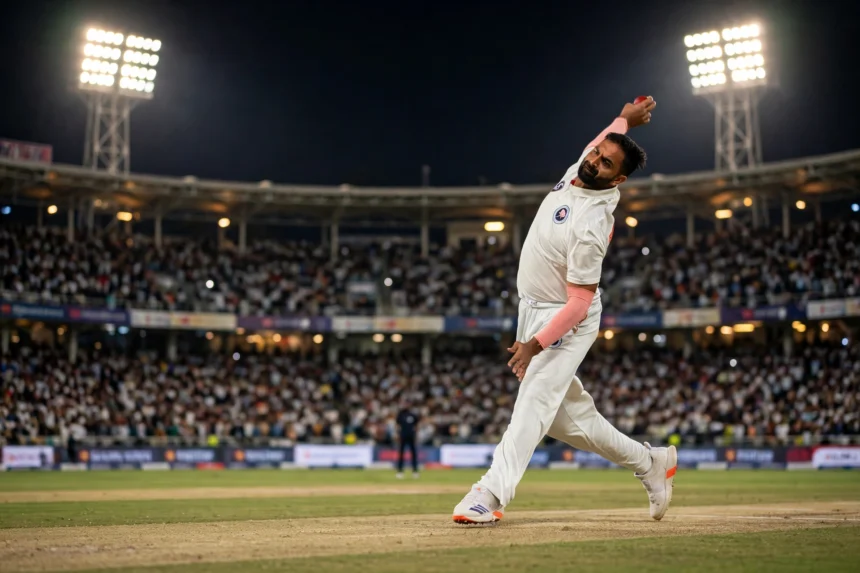
Auqib Nabi’s phone must have been buzzing all morning. On Saturday, the Board of Control for Cricket in India (BCCI) confirmed what the Jammu and Kashmir pacer had been working towards for years: he is now part of India’s squad from the very start of the five-match ODI series against New Zealand.
The 29-year-old was originally picked only for the fourth and fifth ODIs of the tour. But after Prasidh Krishna was ruled out of the entire series with a left hamstring injury, the selectors moved quickly, drafting Nabi into the squad for the first three ODIs as well. He will be available from the series opener at Eden Park in Auckland on November 4.
From Ranji record books to the India dressing room
Nabi’s calling card is a domestic season that borders on the extraordinary. In the 2025-26 Ranji Trophy, he finished as the tournament’s leading wicket-taker with 60 wickets in just 10 matches at an average of 12.56. It is the third-highest tally by a fast bowler in a single Ranji season, a list dominated by names from Indian cricket history.
That form carried straight into the current New Zealand tour. Playing for India A against New Zealand A at Bert Sutcliffe Oval in Lincoln, Nabi picked up six wickets in the first unofficial Test, three for 69 and then three for 28 from 10 overs. The selectors were watching, and the performance clearly stayed with them.
His India debut came in the second ODI against the West Indies in Guwahati on September 30. Ironically, that is the same match in which Prasidh Krishna picked up the hamstring injury that has now opened this door for Nabi.
Why Prasidh Krishna misses out
Prasidh had been picked for the first three ODIs subject to fitness clearance, but the BCCI confirmed on Friday that he needs more time to build up his workload. He has been ruled out of the full five-match series, though he remains in contention for the two-Test series that follows, starting November 19.
Prasidh is expected to feature in India A’s third unofficial Test from November 7, a chance to prove his fitness before the Test squad is finalised. For now, though, the ODI pace attack is Nabi’s to join.
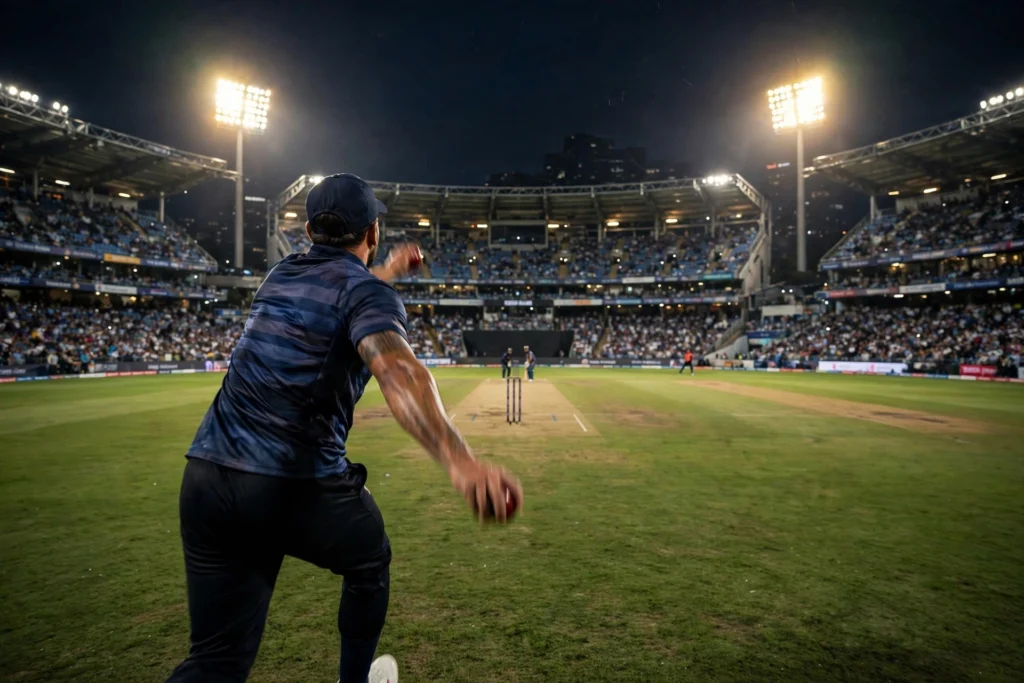
What Nabi brings to the New Zealand tour
New Zealand conditions reward bowlers who can move the ball and hit the deck hard, and Nabi’s domestic record suggests he does both. He joins a pace group that already includes Arshdeep Singh, Mohammed Siraj, Anshul Kamboj and Gurnoor Brar, with Nitish Kumar Reddy available only for the opening game before he links up with India A in Lincoln.
- Proven wicket-taker: 60 Ranji wickets at 12.56 in 2025-26, the best return in the tournament.
- In-form right now: Six wickets for India A against New Zealand A in Lincoln earlier this month.
- A point to prove: At 29, this is a late breakthrough, and late bloomers rarely waste a second chance.
The ODI series runs from November 4 to 15, before the teams meet in the two-Test series. With Shubman Gill leading the side for the first three games and Shreyas Iyer taking over for the last two, Nabi will get to work under two different captains in the space of a fortnight.
India’s updated squad for the first three ODIs
Shubman Gill (captain), Rohit Sharma, Virat Kohli, Shreyas Iyer, KL Rahul, Axar Patel, Naman Dhir, Anshul Kamboj, Gurnoor Brar, Ruturaj Gaikwad, Arshdeep Singh, Ishan Kishan, Mohammed Siraj, Kuldeep Yadav, Nitish Kumar Reddy (only for the first ODI), Auqib Nabi.
For the fourth and fifth ODIs, the squad changes shape: Shreyas Iyer captains, Tilak Varma and Kumar Kushagra come in, along with Yash Thakur, while Gill, Rahul, Kamboj and Nitish move out. Nabi, notably, stays in both squads. He is no longer a late-series addition. He is part of the plan from day one.
A story Jammu and Kashmir will remember
Beyond the team sheets, Nabi’s call-up matters for where he comes from. Jammu and Kashmir has produced international cricketers before, but few have arrived with a domestic season quite like this one behind them. Every wicket in that 60-wicket Ranji run was an argument, and on Saturday, the selectors finally answered it.
FAQs
Why was Auqib Nabi added to India’s ODI squad?
Prasidh Krishna was ruled out of the entire five-match ODI series against New Zealand with a left hamstring injury, so the selectors drafted Nabi into the squad for the first three ODIs. He had originally been picked only for the fourth and fifth matches.
When does the India vs New Zealand ODI series start?
The five-match series begins on November 4, 2026, at Eden Park in Auckland, and runs until November 15. A two-Test series follows from November 19.
How many wickets did Auqib Nabi take in the Ranji Trophy?
Nabi was the leading wicket-taker in the 2025-26 Ranji Trophy with 60 wickets in 10 matches at an average of 12.56, the third-highest tally by a fast bowler in a single Ranji season.
When did Auqib Nabi make his India debut?
Nabi made his ODI debut against the West Indies in Guwahati on September 30, 2026, the same match in which Prasidh Krishna suffered the hamstring injury that has now ruled him out of the New Zealand series.
Who captains India in the New Zealand ODIs?
Shubman Gill captains India for the first three ODIs, while Shreyas Iyer takes over for the fourth and fifth matches.