From tomorrow, campuses across India will turn a little greener. The University Grants Commission (UGC) has asked every university and college in the country to observe the BRICS Sustainable Lifestyle Week 2026 from November 1 to 7, a seven-day push to get students, teachers and staff living a little more lightly on the planet.
The initiative runs under Mission LiFE, short for Lifestyle for Environment, and forms part of India’s BRICS Chairship in 2026. In a communication dated October 30, the UGC asked higher educational institutions to organise awareness programmes, campus activities and community initiatives through the week, with a different green theme for each day.
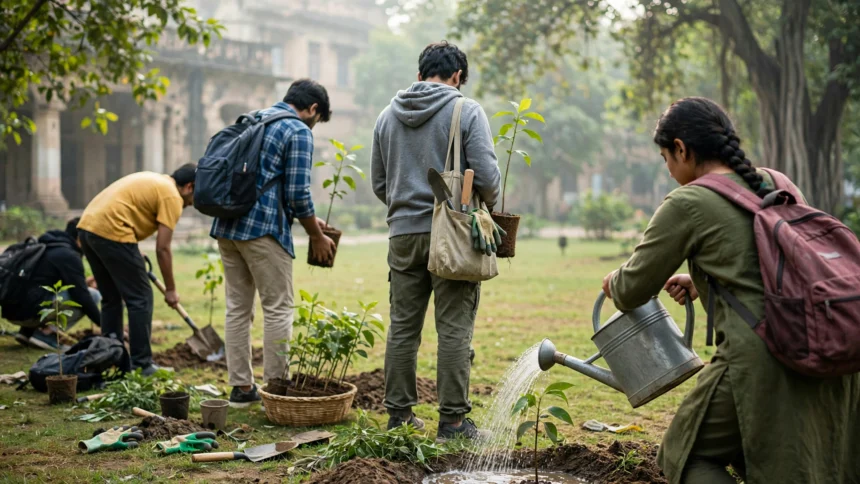
The idea is simple, and deliberately practical. Instead of lectures about the environment, colleges are being asked to get students doing things: planting trees, switching off lights, fixing leaks, carrying reusable bottles and cleaning up their neighbourhoods. Each day has one habit at its centre.
One theme for each day
The Ministry of Environment, Forest and Climate Change has shared a day-wise activity plan for participating institutions. Here is what each day is about:
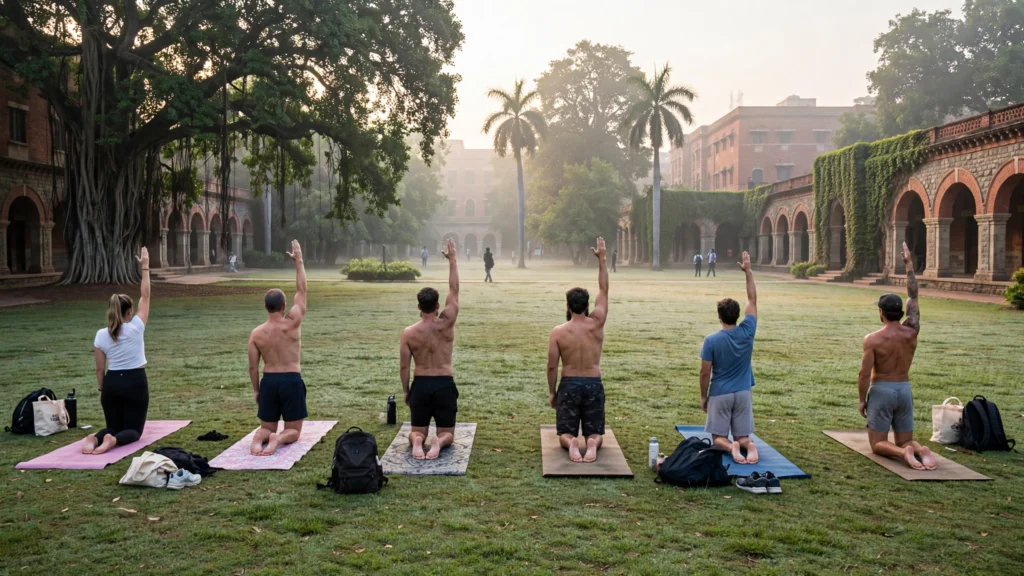
- November 1, Adopt healthy lifestyles: Yoga sessions, walkathons, cyclothons, tree plantation drives and the LiFE pledge.
- November 2, Save energy: Switching off non-essential electrical appliances and holding energy conservation awareness sessions.
- November 3, Save water: Rainwater harvesting activities, leak repairs and water conservation campaigns.
- November 4, Adopt sustainable food systems: Promoting millets, traditional diets and cutting food waste.
- November 5, Say no to single-use plastics: Plogging drives and a push for reusable bags and bottles.
- November 6, Reduce e-waste: E-waste collection, recycling and repair awareness.
- November 7, Reduce waste: Community clean-up drives, campus cleanliness activities and waste-to-art installations.
The week opens with healthy living for a reason. Mission LiFE has always linked personal health with planetary health, and the first day’s yoga sessions, walkathons and plantation drives are meant to set that tone before
the week moves on to energy, water, food and waste.
What colleges have been asked to do
The UGC has encouraged institutions to involve all their departments, constituent units and field centres, and to draw students in through green clubs, eco-clubs, National Service Scheme (NSS) and National Cadet Corps (NCC) networks. Colleges have also been asked to display BRICS Sustainable Lifestyle Week and Mission LiFE publicity material across campuses, including on digital display boards.
Each institution must nominate a nodal officer, who will register on the environment ministry’s Meri LiFE portal and upload details of the activities held. The ministry is also running daily online orientation sessions from October 27 to November 7 through Webex, in two slots, 11 am to 1 pm and 3 pm to 5 pm, to help colleges plan their events.
After the week ends, institutions must submit a brief report on their activities and best practices on the Meri LiFE portal by November 12. Colleges can also share photographs, videos, infographics and success stories on their websites and social media using the hashtags #MissionLiFE, #Proplanetpeople and #BRICSforLiFE.
Why this week, and why students
The lifestyle week traces back to the BRICS environment ministers’ meeting held in New Delhi in August 2026, where member countries welcomed the idea of a sustainable lifestyle week in the first week of November. With India holding the BRICS chair this year, the campaign is being rolled out here first, and campuses are the natural starting point: they bring together lakhs of young people in one place, and habits picked up in college tend to stick.
There is a practical side too. Small, repeated actions, switching off an unused fan, carrying a steel bottle, repairing a phone instead of replacing it, add up fast when thousands of students do them together.
How students can take part
You do not need your college to organise something grand to join in. Students can take the LiFE pledge, join a walkathon or plantation drive on day one, check their hostel room or home for wasted electricity and leaking taps, swap one packaged snack for a millet-based meal, or collect old chargers and dead batteries for e-waste recycling on day six.
The week is voluntary, but the message behind it is plain: a sustainable lifestyle is not a slogan for a poster, it is a set of small daily choices. Starting November 1, campuses across the country get seven days to practise them together.
FAQs
When is BRICS Sustainable Lifestyle Week 2026?
It runs from November 1 to 7, 2026, with a different theme for each of the seven days.
Who has asked colleges to observe it?
The University Grants Commission, in a communication dated October 30, 2026, asked all universities and colleges to participate under Mission LiFE, as part of India’s BRICS Chairship in 2026.
What are the seven daily themes?
Healthy lifestyles, saving energy, saving water, sustainable food systems, saying no to single-use plastics, reducing e-waste and reducing waste, one theme per day from November 1 to 7.
Do colleges have to report their activities?
Yes, each institution nominates a nodal officer who uploads activity details on the Meri LiFE portal, and a brief report on activities and best practices is due by November 12, 2026.
Can students participate on their own?
Yes. Students can take the LiFE pledge, join campus events, or adopt the daily habits individually and share them using #MissionLiFE, #Proplanetpeople and #BRICSforLiFE.
Stay tuned to Informeia for more education and lifestyle updates.