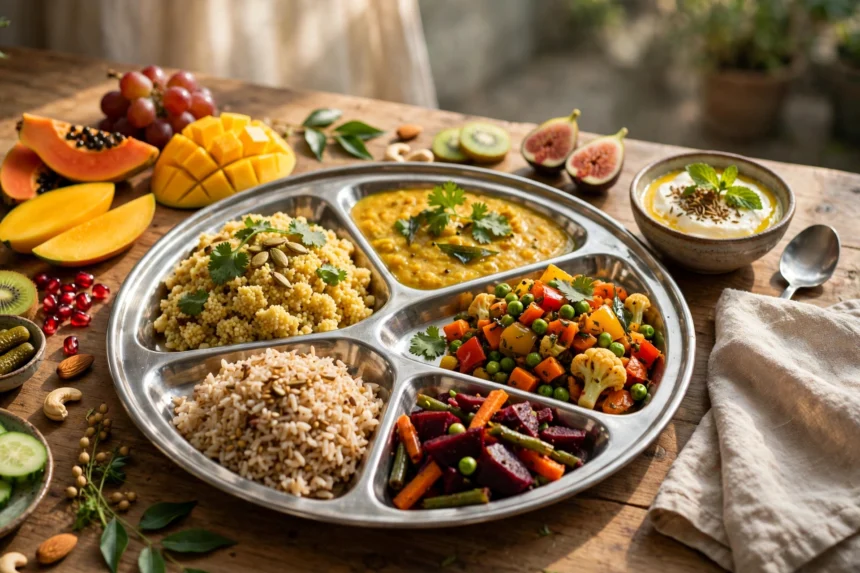
Blame it on the genes. That is what many of us do when a blood report comes back with high cholesterol, especially when diabetes and heart disease already run in the family. But a new study from Chennai suggests the story does not end there. Researchers found that Indians who carry a higher genetic risk of high cholesterol can still keep their lipid levels in check if their everyday diet is of good quality. In fact, among participants who ate a medium or high-quality diet, the gap between the high-risk and low-risk groups virtually disappeared.
The findings, published earlier this month in the international peer-reviewed journal PLOS ONE, add a fresh twist to a conversation every Indian household knows well: how much of our health is written in our DNA, and how much is written on our dinner plate.
What the researchers actually did
The study, titled “Low diet quality increases the genetic risk of high blood cholesterol levels in Asian Indian adults [CURES-165]”, was carried out by scientists from the Madras Diabetes Research Foundation (MDRF) and Dr Mohan’s Diabetes Specialities Centre in Chennai, in collaboration with the University of Reading in the United Kingdom.
Here is how it worked:
- Who was studied: 1,020 adults aged 25 to 80 years, including 452 men and 568 women, all participants in the long-running Chennai Urban Rural Epidemiology Study (CURES).
- How genetic risk was measured: the team examined three genetic variants across two genes, TCF7L2 and FTO, which are known to be associated with diabetes and other metabolic disorders, and calculated a genetic risk score for each person.
- How diet was measured: dietary habits were assessed using the Indian Diet Quality Score, which evaluates eight food groups relevant to Indian eating patterns.
- What was tracked: total cholesterol and LDL cholesterol, both well-established markers for cardiovascular disease risk.
The headline finding: a good diet can switch off the genetic disadvantage
The results were striking. Among participants with a higher genetic risk who also ate a poor-quality diet, total cholesterol and LDL (bad) cholesterol were significantly higher. But among those who ate a medium or high-quality diet, the researchers found no significant difference in cholesterol levels between the high-risk and low-risk groups. The diet, in effect, levelled the playing field.
“While genes can influence a person’s risk of metabolic disorders, dietary habits may modify how that risk manifests. Even if you are born with the tendency to high cholesterol and high diabetes, you can still keep your cholesterol levels down by following a healthy diet,” Dr V Mohan, chairman of Dr Mohan’s Diabetes Specialities Centre and MDRF, told The Indian Express.
The study also found that individuals with higher genetic risk had significantly higher fasting blood glucose and HbA1c levels, underlining that the genes studied touch more than cholesterol alone.
What “good diet quality” means on an Indian plate
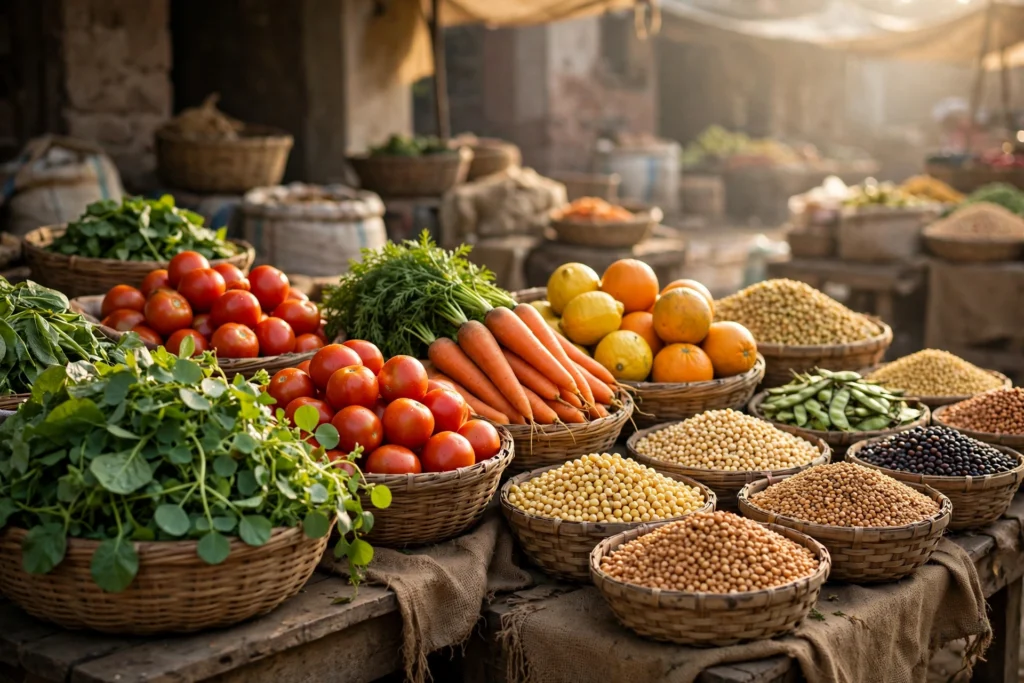
The researchers pointed to a pattern many Indian nutritionists have flagged for years: the modern Indian plate has shifted toward polished white rice, refined wheat flour (maida) and fibre-poor meals, with fruits, vegetables and whole legumes pushed to the margins. The study suggests it is this overall pattern, not any single ingredient, that decides whether a genetic tendency actually shows up in the blood report.
Practical takeaways from the findings:
- Choose whole over refined: unpolished rice, millets and whole-wheat over polished white rice and maida-based foods.
- Fill half the plate with vegetables and fruit: fibre is a key part of what the diet quality score rewards.
- Keep pulses and legumes central: dal, rajma, chana and sprouts add protein and fibre that refined carbs lack.
- Look at the pattern, not one dish: one ghee-laden meal does not decide your risk; the overall quality of what you eat day after day does.
Why this matters for Indian families
High cholesterol is one of the biggest drivers of cardiovascular disease, and Indian families often treat it as fate when it runs across generations. This study offers a more hopeful, and more actionable, message: inherited risk is not a sealed verdict. The same plate that carries the problem can carry the fix, provided it is built on quality rather than convenience.
Doctors have long advised that diet, movement and regular check-ups work best together. This research now gives that advice a genetic backing for Indian populations specifically.
FAQs
Does this mean genes do not matter for cholesterol?
No. Genes still set your susceptibility. What the study shows is that diet quality decides how much of that susceptibility actually turns into high cholesterol numbers.
What counts as a “good-quality” diet in this study?
The researchers used the Indian Diet Quality Score, which rewards whole grains, pulses, vegetables, fruit and fibre-rich foods, and penalises diets heavy on refined cereals with little fibre.
Can a good diet replace my cholesterol medication?
No. This study does not suggest anyone should stop prescribed medication. If you take statins or other lipid-lowering drugs, continue them and discuss any diet changes with your doctor.
Who exactly was studied?
1,020 adults aged 25 to 80 from Chennai, including 452 men and 568 women, as part of the Chennai Urban Rural Epidemiology Study.
Where was the study published?
In the peer-reviewed journal PLOS ONE on October 14, 2026, by researchers from MDRF, Dr Mohan’s Diabetes Specialities Centre and the University of Reading.
The next time someone at the dinner table shrugs and says “it runs in the family”, this study gives you a reply: maybe so, but what runs in the kitchen can push back. A good-quality Indian diet may be the strongest tool you have against the genes you did not choose.