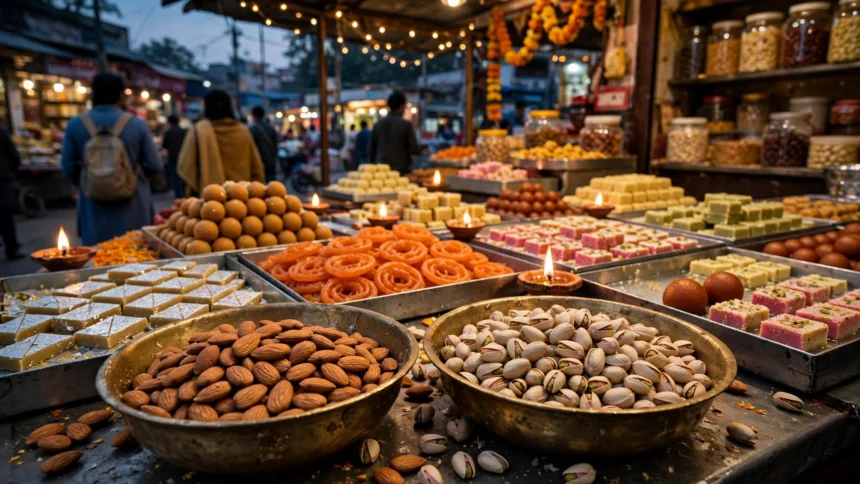
If your Diwali shopping list looks longer than last year but your budget has not grown with it, you are not imagining things. This festive season, the same basket of sweets, dry fruits and home appliances is costing noticeably more across India.
Reports published on November 2, 2026 put the trend in plain numbers. Appliances are up by about 3 to 7 percent, traditional sweets by 10 to 15 percent, almonds by nearly 35 percent, and pistachios have nearly doubled since last Diwali. The reasons are familiar: higher raw material costs, costlier components, poor harvests in some producing countries, and higher freight charges.
Sweets: the mithai bill is up 10 to 15 percent
Traditional sweets have taken a hit. Sweet makers are paying more for milk, khoya, sugar, nuts and packaging, and much of that cost is now reaching the counter.
A Delhi-based sweet shop chain told Moneycontrol it had raised prices by nearly 15 percent ahead of Diwali. Anjali Jain, who runs Jaipur-based Tyohaar Sweets, said her business raised prices by 10 to 12 percent because raw materials, dry fruits, silver vark and packaging had all become costlier.
For families, that changes the maths. A box that cost a certain amount last year now buys fewer pieces, or the same box costs more. Many shoppers are buying smaller boxes or saving premium sweets for gifting.
Dry fruits: pistachios nearly double, almonds up sharply
Dry fruits, the classic Diwali gift, have seen the steepest jumps. According to data from the Nuts and Dry Fruits Council (India) cited in the November 2 reports, pistachios are now retailing at Rs 1,500 to Rs 2,100 per kg, compared with around Rs 900 last Diwali. That is close to double in a single year.
Almonds have also risen sharply, up nearly 35 percent since last Diwali. They are now selling at Rs 1,000 to Rs 1,200 per kg, against Rs 800 to Rs 900 last year.
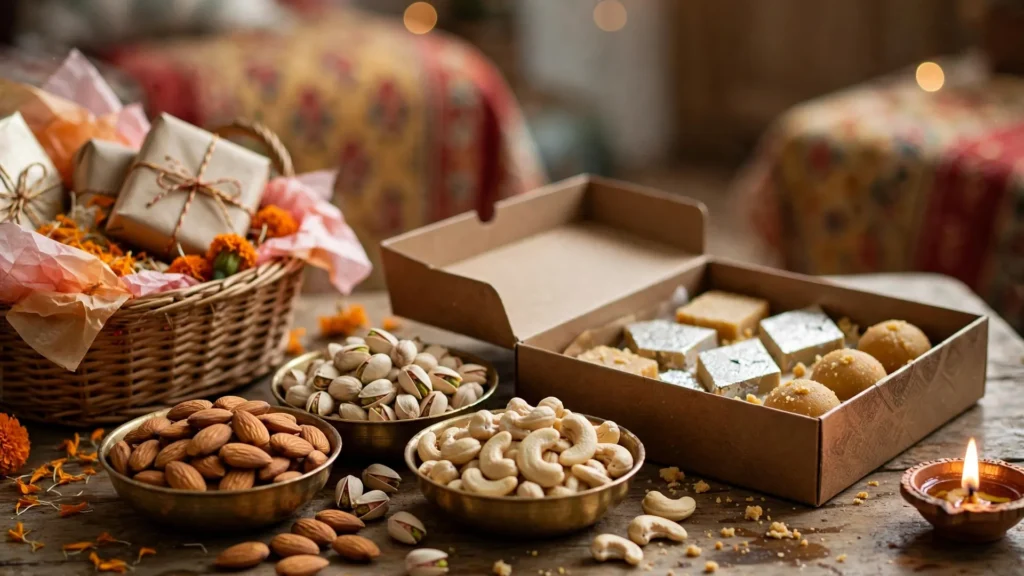
Traders link the dry fruit surge to poor harvests in major producing countries and higher import and freight costs. Many buyers are now picking smaller packs or single-nut boxes to keep gifts generous without doubling the spend.
Appliances: 3 to 7 percent more for TVs and ACs
Buying a new television or air conditioner this Diwali will also cost more. Consumer durable companies including Haier, LG and Blue Star have raised prices by about 3 to 7 percent across categories such as air conditioners and televisions, citing higher input and component costs.
Havells India also plans to raise prices by 5 to 7 percent in the December quarter to offset higher raw material costs, according to the same reports.
That matters because Diwali is traditionally one of the biggest buying windows for large appliances. This year, exchange offers or EMI plans may soften the blow, but the sticker price itself has moved up.
Why shoppers are still buying, but differently
Despite higher prices, festive spending has not stopped. It has shifted. Electronics retailer Vijay Sales expects festive-season sales value to grow nearly 20 percent, but unit growth is likely to stay in single digits. People are spending more money, but not necessarily buying more items.
The same retailer notes that nearly 70 percent of purchases are now being made through EMIs. That is a telling detail. When prices rise faster than incomes, monthly instalments become the bridge between wanting a new appliance and being able to afford it right now.
Food inflation adds to the pressure. National food inflation reached 7.74 percent in September, according to Consumer Price Index data cited in recent reports. When everyday food costs more, the festive budget feels tighter even before the first gift is bought.
How to shop smarter this Diwali
- Fix a total budget first, then split it: decide how much goes to sweets, gifts, home items and travel.
- Compare per-kg prices, not pack prices: a smaller-looking pack can be better value, especially for dry fruits.
- Buy sweets fresh, but book gifts early: popular dry fruit packs sell out fast, while fresh sweets are best bought fresh.
- Check the EMI maths: compare the total cost, including interest and charges, with paying upfront.
- Mix premium with practical: a small pack of pistachios or almonds paired with a thoughtful, lower-cost gift often lands better than one very expensive hamper.
FAQs
Why is Diwali shopping costlier in 2026?
Higher raw material and component costs, poor harvests for some dry fruits, and higher freight charges have pushed up prices across sweets, dry fruits and appliances.
How much have sweets prices risen?
Traditional sweets are up by about 10 to 15 percent, with individual shops reporting rises of 10 to 12 percent and nearly 15 percent depending on ingredients and packaging costs.
What are pistachio and almond prices this Diwali?
Pistachios are retailing at Rs 1,500 to Rs 2,100 per kg, up from around Rs 900 last Diwali, while almonds are at Rs 1,000 to Rs 1,200 per kg, up nearly 35 percent.
Have appliance prices risen too?
Yes. Appliance makers including Haier, LG and Blue Star have raised prices by about 3 to 7 percent, and Havells plans a further 5 to 7 percent rise in the December quarter.
Are people still buying despite higher prices?
Yes, but more carefully. Retailers expect sales value to grow while unit growth stays in single digits, and a large share of big purchases are now made on EMI.