Farmers heading into the winter sowing season have got a clear assurance from New Delhi. The Union Cabinet on Wednesday approved a fertiliser subsidy package of Rs 62,370 crore for the Rabi 2026-27 season, a jump of about 64 per cent over the previous winter season, so that key soil nutrients stay affordable even as global prices climb.
The decision, taken at a Cabinet meeting chaired by Prime Minister Narendra Modi, fixes the Nutrient Based Subsidy (NBS) rates for phosphatic and potassic fertilisers for the six months from October 1, 2026 to March 31, 2027. Information and Broadcasting Minister Ashwini Vaishnaw announced the decision after the meeting.
The headline number matters because it is not a routine annual revision. The tentative budgetary requirement of Rs 62,370.02 crore is about Rs 24,417.73 crore higher than the Rs 37,952.29 crore needed for the Rabi 2025-26 season. In a year when international fertiliser prices have stayed high, the government has chosen to absorb the extra cost rather than pass it on to farmers.
What the Cabinet approved
Under the NBS scheme, the subsidy is fixed per kilogram of nutrient, not per bag of fertiliser. The government pays the subsidy to fertiliser companies, and farmers buy the product at a controlled retail price. For Rabi 2026-27, the approved rates are:
- Nitrogen (N): Rs 94.21 per kg, up nearly 119 per cent from last rabi season
- Phosphorus (P): Rs 66.11 per kg, up about 38 per cent
- Potash (K): Rs 2.38 per kg
- Sulphur (S): Rs 10.42 per kg, more than three times the Rs 2.87 per kg paid last rabi
The rates cover 28 grades of phosphatic and potassic fertilisers, including di-ammonium phosphate (DAP) and NPKS grades, which are the workhorses of the rabi season. The NBS framework has been in force since April 1, 2010, and urea is not part of it.
DAP price stays at Rs 1,350 a bag
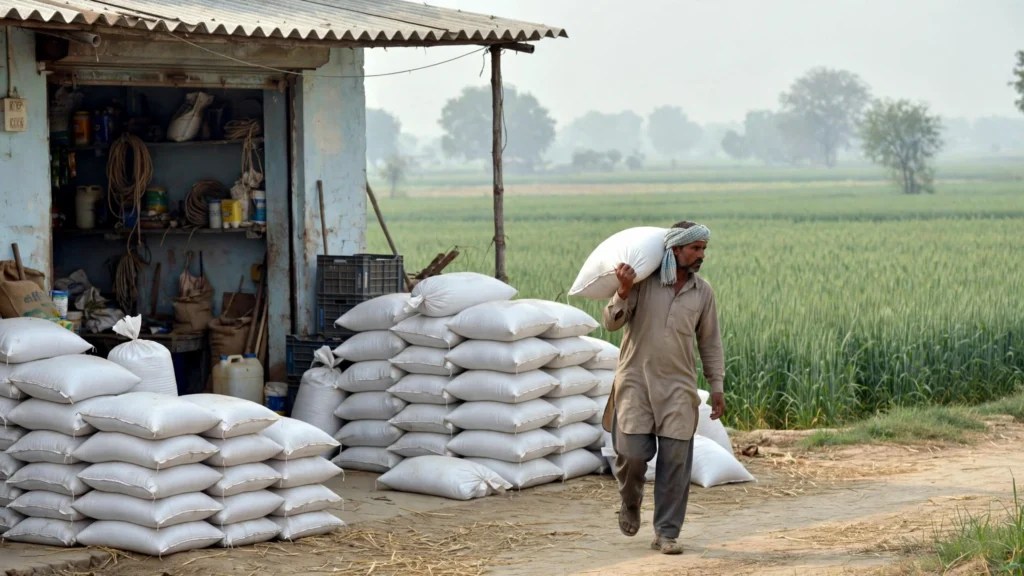
The detail that will matter most at the village fertiliser shop is the price of DAP. The government has kept the retail price of a 50 kg bag of DAP unchanged at Rs 1,350, despite the sharp rise in international prices of DAP and its inputs.
That is the practical meaning of the bigger subsidy bill. DAP is one of the most widely used fertilisers for wheat, mustard, pulses and other rabi crops, and any increase in its price would have landed directly on sowing costs. By raising the per-kg subsidy instead, the Centre has kept the farm-gate price steady for this season.
The government also notified a special package for sulphur, where prices have spiked sharply. Sulphur prices rose by more than 213 per cent between September 2025 and September 2026, and the subsidy on the nutrient has been raised steeply in response. Domestic manufacturers will get 20 per cent of the actual procurement cost under the package, subject to a floor price of 800 dollars per tonne.
Why the bill has jumped 64 per cent
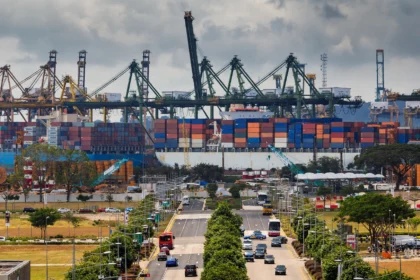
The increase is driven by what is happening in global markets. The government pointed to recent trends in international prices of fertilisers and key inputs, including urea, DAP, muriate of potash and sulphur. Non-urea fertiliser prices have stayed high through the year, and the subsidy has had to rise to keep retail prices in check.
The scale of the support is now large. Along with the Rs 41,534 crore of subsidy support announced for Kharif 2026-27, the total subsidy for non-urea fertilisers alone in 2026-27 comes to around Rs 1.03 lakh crore. That is about 92 per cent more than the Budget Estimate of Rs 54,000 crore set for the year.
For the government, the trade-off is clear. A bigger subsidy bill now is the price of protecting the rabi crop, which feeds into foodgrain output and food inflation in the months ahead. A deficient southwest monsoon and strengthening El Nino conditions are already a worry for farm output, and costlier fertiliser would have added to the pressure on farmers.
What it means for the rabi season
The timing of the announcement lines up with the sowing window. Rabi sowing is under way across the wheat belt, and fertiliser availability at stable prices is one of the first things farmers check before they commit to a crop. The Cabinet decision removes that uncertainty for the season.
The subsidy applies from October 1, 2026, so purchases made since the start of the season are covered. Farmers should see no change in the price they pay for DAP and other P and K fertilisers, and dealers have a fixed rate card to work with through March 31, 2027.
What remains to be seen is how the higher subsidy bill sits with the government’s fiscal arithmetic. The fertiliser subsidy is one of the largest items in the subsidy budget, and a bill running far above the Budget Estimate will need to be absorbed somewhere. For now, though, the message to farmers is simple: the price at the shop stays the same, and the government is picking up the difference.
FAQs
How much fertiliser subsidy has the Cabinet approved for Rabi 2026-27?
Rs 62,370.02 crore as the tentative budgetary requirement for phosphatic and potassic fertilisers, about 64 per cent more than the Rs 37,952.29 crore needed for Rabi 2025-26.
What is the price of a DAP bag now?
It stays at Rs 1,350 for a 50 kg bag. The government has kept the retail price unchanged despite rising international costs.
Which fertilisers does the subsidy cover?
It covers 28 grades of phosphatic and potassic fertilisers, including DAP and NPKS grades. Urea is not covered under the Nutrient Based Subsidy scheme.
For how long do the new rates apply?
From October 1, 2026 to March 31, 2027, covering the full Rabi 2026-27 season.
Why has the subsidy bill risen so sharply?
International prices of fertilisers and inputs such as DAP, muriate of potash and sulphur have risen sharply, and sulphur prices alone rose by more than 213 per cent in the year to September 2026.
The Cabinet has made its call for this rabi season. Farmers get price stability, and the exchequer takes on a subsidy bill that is nearly two-thirds bigger than last winter. How that balance holds through the year will be watched closely in the months ahead.