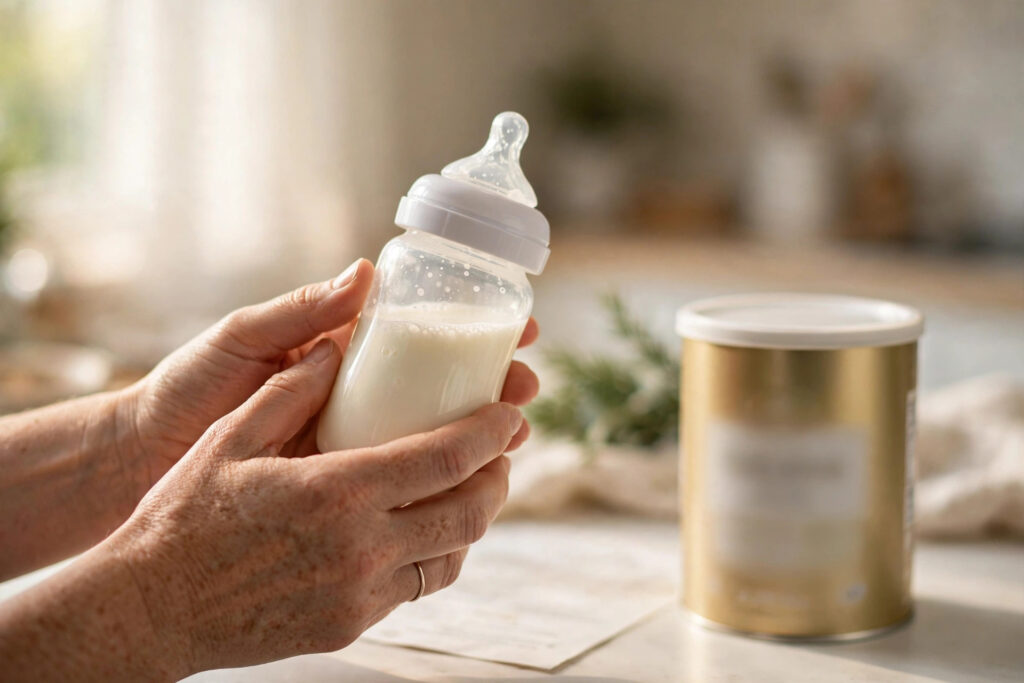
If you have a baby under six months at home, a label you have probably glanced at a hundred times is about to change. The Food Safety and Standards Authority of India has proposed banning the addition of sucrose and fructose in nutrition products meant for infants up to six months of age, a move that could reshape what goes into infant formula and baby food sold across the country.
The proposal is contained in the draft Food Safety and Standards (Foods for Infant Nutrition) Amendment Regulations, 2026, which was published in the Gazette of India on October 16. The Health Ministry announced it on Saturday, calling it a step towards stronger nutritional safeguards for newborns.
What exactly is being proposed
The draft is short and to the point. It inserts a single proviso into the existing 2020 infant nutrition regulations: sucrose and fructose shall not be added in the products intended for infants up to the age of six months. That is the whole change, but it carries weight.
Under the rules in force today, infant nutrition products for children from birth to 24 months must meet detailed composition, quality and safety standards. Lactose and glucose polymers are listed as the preferred carbohydrate sources, but manufacturers may add sucrose or fructose when required as a carbohydrate source, as long as they stay within prescribed limits. The new draft keeps the existing framework intact and adds one hard line for the youngest age group: no added sucrose, no added fructose, no exceptions.
Before it becomes law, the draft has been opened for public consultation. Stakeholders can send objections and suggestions to the FSSAI within 60 days of publication, and the regulator says it will consider every representation received before finalising the amendment.
Why the first six months matter so much
The Health Ministry’s reasoning is straightforward: the first six months of life are a critical window for healthy growth, and early exposure to added sugars can shape a child’s eating habits and health for years.
Doctors have long warned that sweetness in an infant’s diet does more than add empty calories. Babies are born with a natural preference for sweet tastes, and feeding them products with added sucrose or fructose can lock in that preference early, making them more likely to reach for sugary foods later in childhood. That early conditioning is one of the dietary risk factors linked to childhood obesity, which is rising fast in India.
The numbers behind the concern are stark. A study published in the medical journal The Lancet found that India had 180 million overweight or obese adults in 2021, a figure projected to reach 450 million by 2050 if current trends continue. Public health experts say tackling added sugars at the very start of life is one of the cheapest prevention tools available.
Part of a much bigger FSSAI push
This draft did not appear out of nowhere. The FSSAI has been visibly tightening food safety enforcement across India in recent months, and the agency’s raids and inspections have been drawing millions of views online.
Just this weekend, ahead of Navratri, food safety officials carried out inspections at food outlets across Noida, collecting 10 samples for laboratory testing and seizing stocks of honey and mustard oil over labelling violations. Several establishments received statutory notices for poor hygiene. Similar enforcement drives have forced local eateries and branded restaurants to suspend operations elsewhere.
At the policy level, the regulator has been pushing front-of-pack warning labels on products high in sugar, salt or saturated fat, a move that has rattled India’s more than $100 billion packaged food industry. In August, the FSSAI had proposed a red hexagonal stamp for products high in any two or more nutrients of concern, then tightened the proposal after a public outcry so that a warning would now be required if even one nutrient crosses the prescribed limit.
Seen against that backdrop, the infant food proposal fits a clear pattern: less tolerance for hidden sugars, starting with the most vulnerable consumers of all.
What it means for parents
For now, nothing changes on store shelves. This is a draft, not a final rule, and existing products remain legal. But parents of newborns may want to keep a few practical points in mind:
- Read the ingredient list, not just the front of the pack. Sucrose and fructose can appear mid-list in infant products. Lactose and glucose polymers are the preferred carbohydrate sources under the regulations.
- Breast milk remains the benchmark. Health authorities continue to recommend exclusive breastfeeding for the first six months where possible.
- No need to panic about what you already bought. Current products comply with the 2020 regulations. The proposal, if finalised, would apply to future formulations.
- You can have a say. The draft is open for public comments for 60 days, and consumer voices count alongside industry submissions.
What manufacturers will have to do
For formula and baby food makers, the change means reformulation for any product in the up-to-six-months segment that currently uses added sucrose or fructose. That is a non-trivial exercise, because sweetness also affects taste, texture and how well babies accept a product. Companies will need to lean harder on lactose and glucose polymers, the preferred sources under the rules.
The 60-day consultation window gives industry a chance to flag technical constraints, cost concerns or transition timelines before the final notification. Once finalised, the rule would apply nationwide to every manufacturer and importer of infant nutrition products.
Frequently asked questions
Is the ban on added sugar in baby food already in force?
No. It is a draft amendment published on October 16, 2026. It becomes enforceable only after the 60-day consultation period and a final notification by the FSSAI.
Which products does it cover?
Nutrition products intended for infants up to six months of age, including infant formula and related foods in that age segment. Products for older children fall under the existing 2020 regulations.
Why only sucrose and fructose, not all sugars?
The existing regulations already list lactose and glucose polymers as preferred carbohydrate sources for infant products. The draft targets sucrose and fructose because these are the added sugars most commonly used to sweeten formulations beyond their natural composition.
How can I submit feedback on the draft?
Objections or suggestions can be addressed to the Chief Executive Officer, FSSAI, FDA Bhawan, Kotla Road, New Delhi, or emailed to the authority within 60 days of the draft’s publication in the Gazette.
Does this mean current baby food is unsafe?
No. Products on shelves today meet the standards of the 2020 regulations. The proposal is a preventive step aimed at reducing early exposure to added sugars, not a recall of existing products.
Whether finalised as drafted or tweaked after consultation, the message from the regulator is unmistakable: when it comes to what India feeds its youngest citizens, added sweetness is no longer something to take for granted. For parents watching labels and companies watching costs, the next 60 days of consultation will decide how quickly that future arrives.